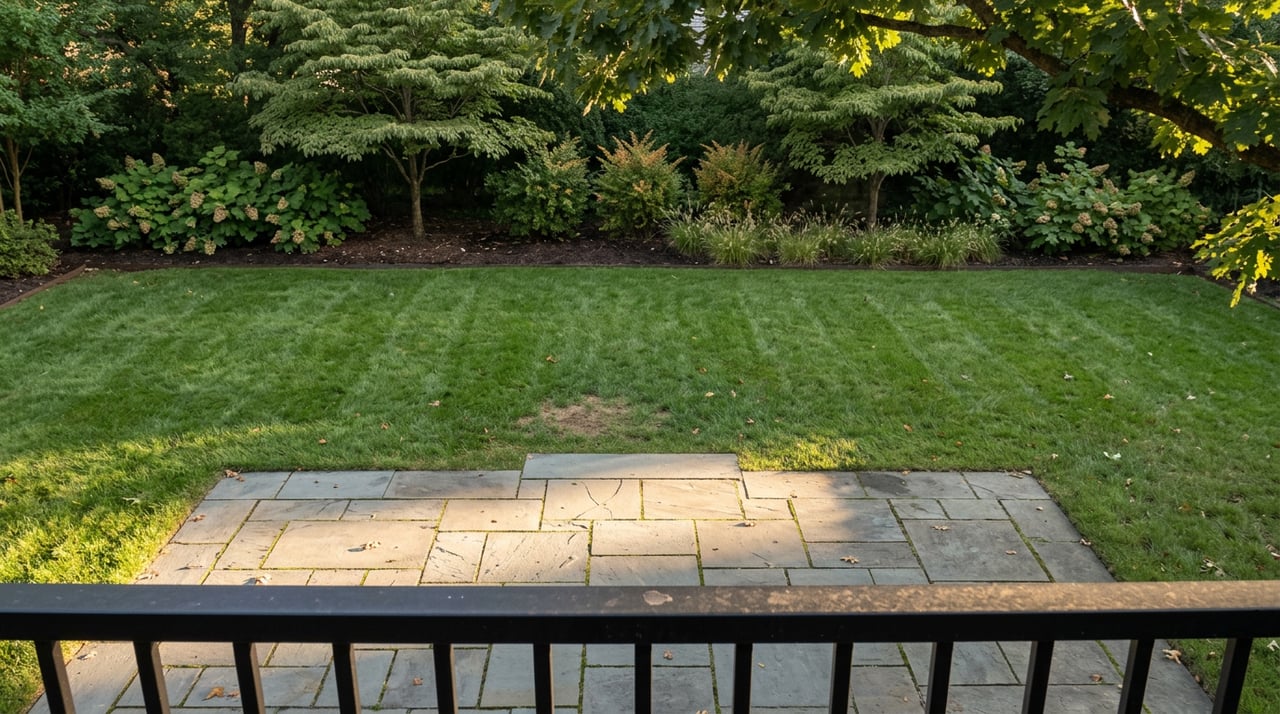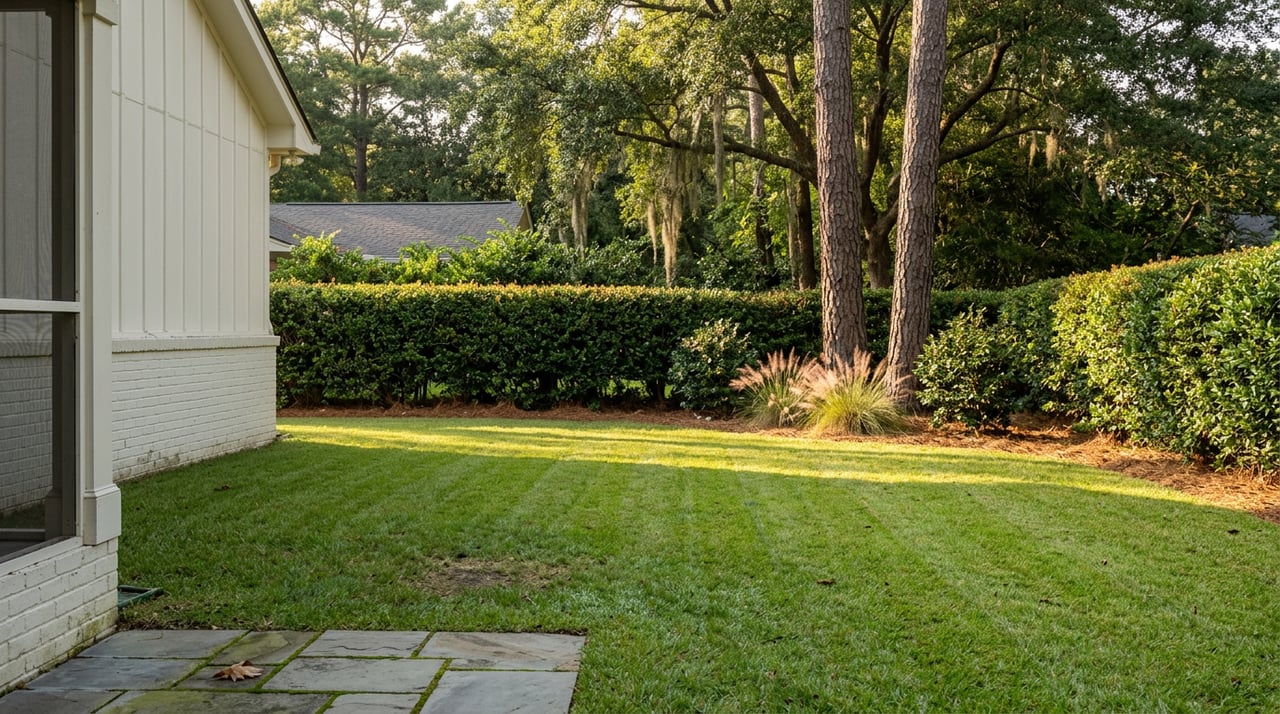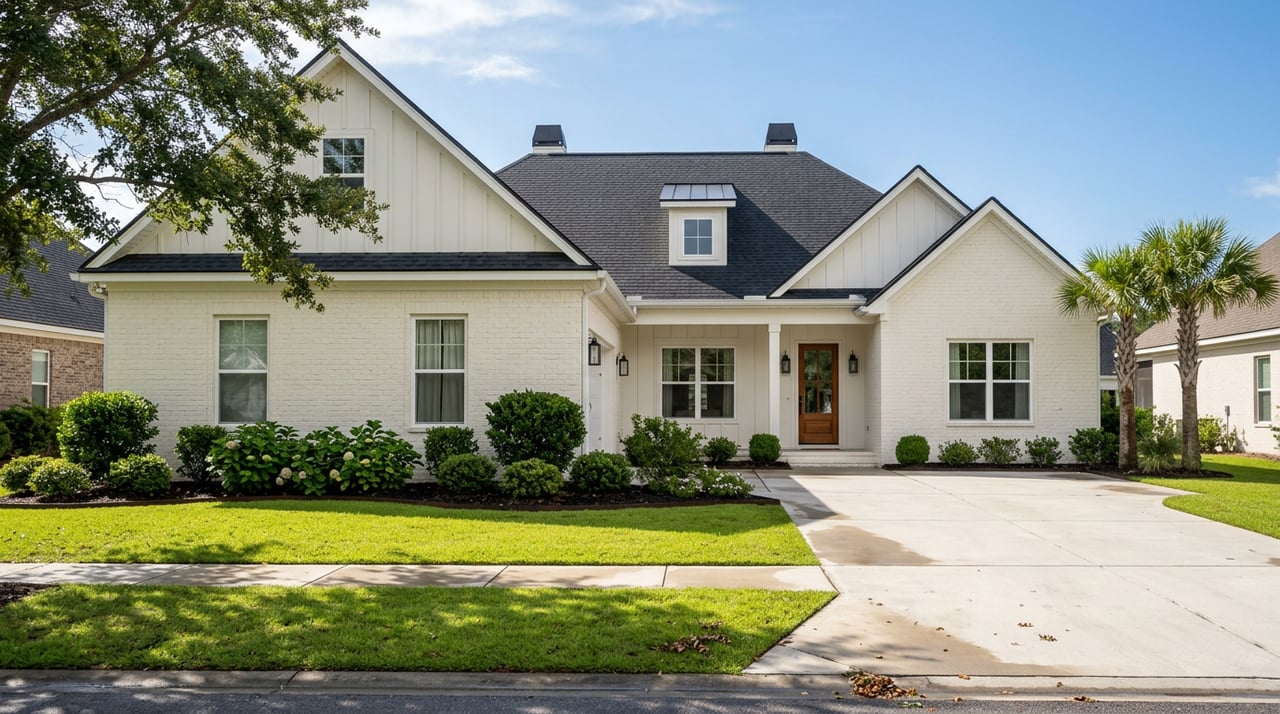
The brown lawn under the "For Sale" sign is not the problem. The problem is the calendar behind it.
Raleigh Water activated Stage 1 mandatory restrictions on April 20, 2026, and as of July 7 the city's own dashboard still lists them in effect. Sellers who wait to list until the yard "greens up" are waiting on a repair window that does not open until mid-September. That single fact reorders almost every summer listing decision in Wake County.
The friction, stated plainly: In-ground irrigation is limited to one day per week. Landscaping installed after April 20, 2026 gets no watering exemption at all. Tall fescue, the Triangle's dominant cool-season grass, cannot be reseeded in July heat. A seller who wants a green lawn at closing is choosing between listing now with what they have, listing in October after fall overseeding takes, or spending on drought-tolerant alternatives that most Raleigh buyers are not yet pricing in.
The Stage 1 rules that actually change a listing
Everything below comes from the City of Raleigh's Stage 1 page and the current drought alert, which was last updated July 6, 2026.
- Automatic and non-automatic spray irrigation runs midnight to 10 a.m., one day per week.
- Odd-numbered addresses water Tuesday. Even-numbered addresses water Wednesday.
- Landscapes should receive no more than one-half inch of water per week.
- Handheld hoses with a shut-off nozzle, soaker hoses, and drip irrigation are legal any day, any time. This is the loophole that keeps a listing photograph believable.
- No watering exemption exists for landscaping installed after April 20, 2026. Pre-April-20 installs may apply for a 10-day variance with proof of install date.
- Enforcement is education first, then civil penalties for repeat violations. Reports go to Customer Care and Billing at 919-996-3245 or [email protected].
Falls Lake, the primary supply for more than 650,000 customers across Raleigh, Garner, Wake Forest, Rolesville, Knightdale, Wendell, and Zebulon, was sitting at 245.6 feet as of early July 2026, about 5.9 feet below normal, with water supply storage at 62 percent. Stage 2 becomes possible around 12 feet below full pool, and WRAL reported that City Council has already approved the flexibility to move there earlier than the original plan allowed. Raleigh has not been in mandatory restrictions since the 2007–2008 drought.
That is the situation. Now the seller's actual choice.
The three timing lanes
Sellers ask one question first: "Should I list now or wait?" Under Stage 1, the honest answer depends on which lane the property is already in. This is what those lanes look like against the calendar.
| Lane | List window | Lawn condition to expect | What the seller is actually pricing |
|---|---|---|---|
| List now (July–August) | Peak buyer traffic, especially for relocations tied to school-year moves | Fescue dormant or thinning; bermuda and zoysia holding | The condition of the house, priced with a realistic lawn on the MLS photos |
| Hold for fall (mid-September–October) | Reseeding window opens as soil drops below 70°F | Newly overseeded fescue germinating, patchy for 3–5 weeks | A green lawn by late October, against a thinner buyer pool and a Stage 2 risk |
| Convert and list (any time) | Drip-irrigated beds, native plantings, mulched zones replacing turf | Green where it needs to be, honestly maintained | A property that reads as drought-adapted, which is a story most Raleigh listings still cannot tell |
The lane that gets picked by default, "wait until it rains," is not on the table. The Triangle would need 12 to 15 inches of rain in a single month to return to drought-free status, and the odds sit at 1 to 2 percent for any given month.
A compliant watering setup that keeps a listing photogenic
The rules do not require a dead yard. They require an efficient one. For a home going on the market this summer, the goal is a lawn that looks intentional in a wide shot and honest in a walkthrough.
- Program the in-ground zones for the assigned day only, between 4 and 9 a.m. Odd addresses Tuesday, even Wednesday. A smart controller with a local weather feed handles the paperwork and the skips.
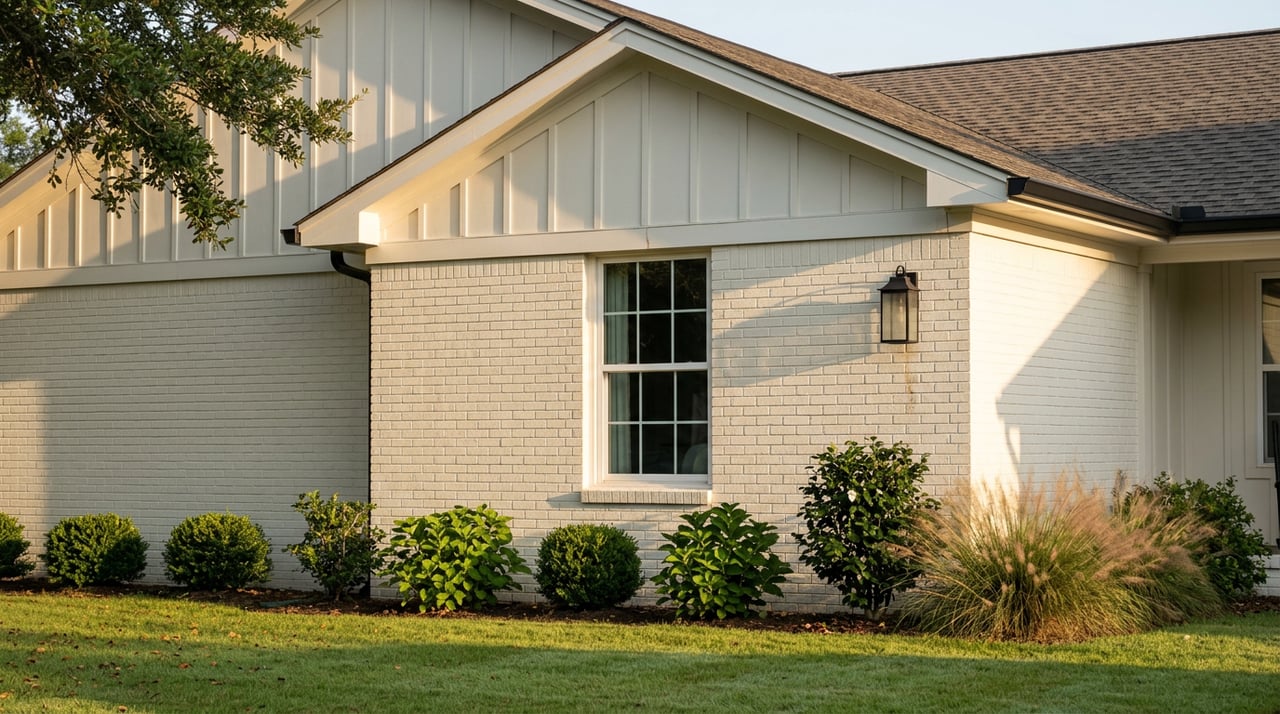
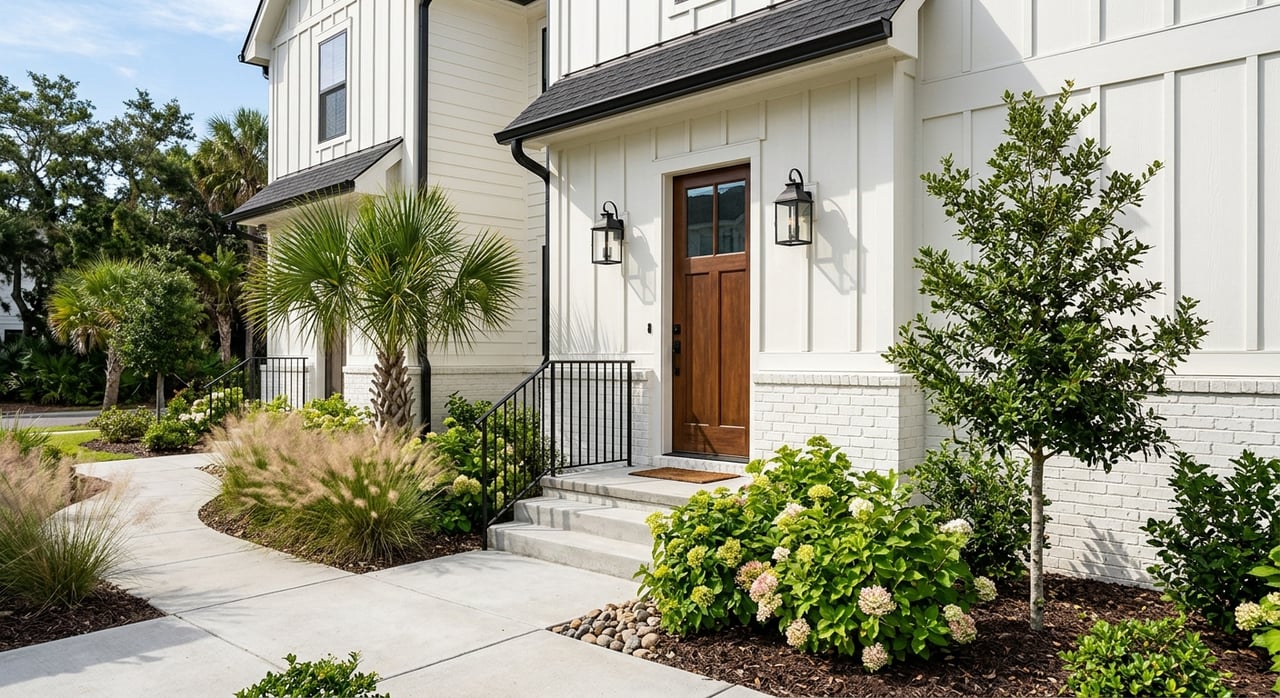
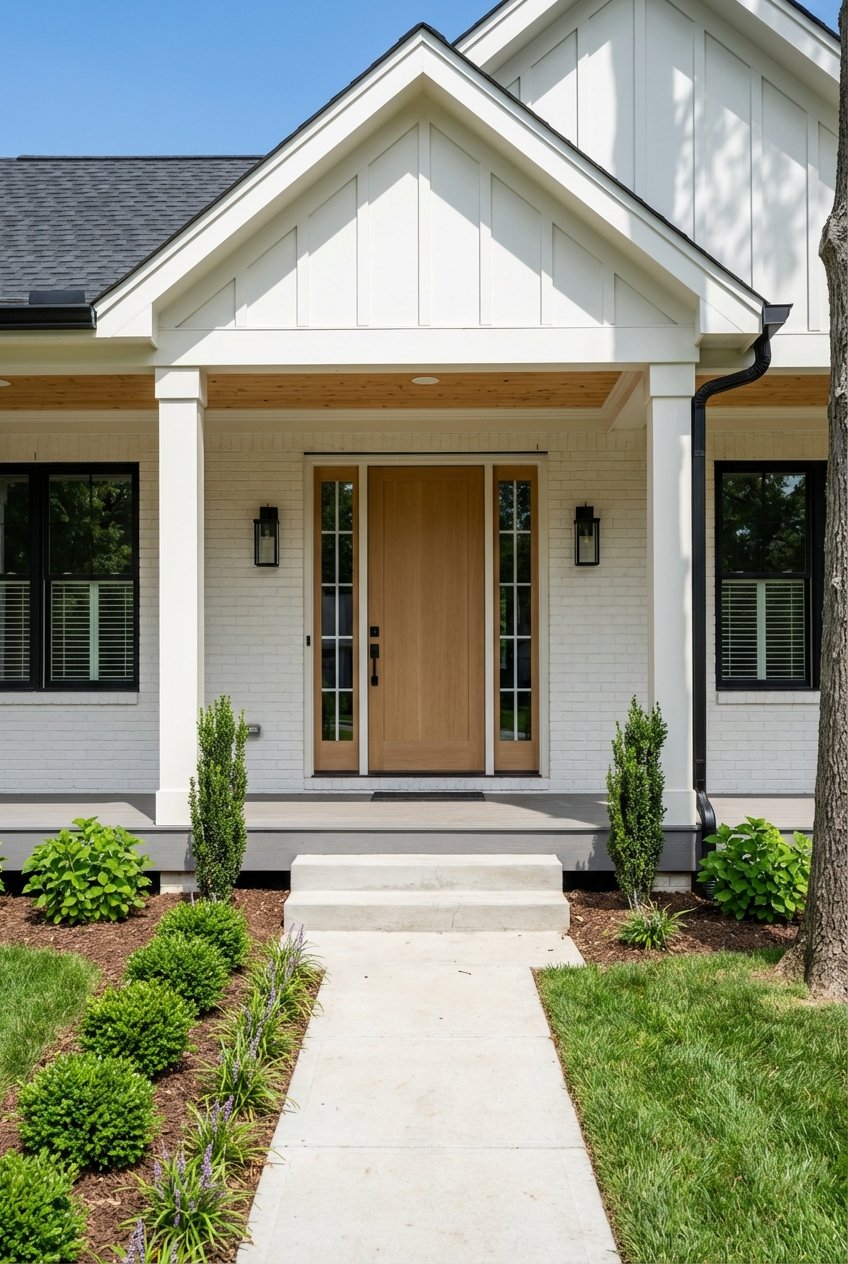
- Convert the front foundation beds to drip. Drip is legal any day, and it keeps hydrangeas, camellias, and the small ornamentals in listing photographs looking like the rest of the neighborhood.
- Raise the mower. NC State Extension guidance has fescue at 3 to 4 inches during summer stress. Taller blades shade the soil, hold moisture, and photograph as fuller turf.
- Do not fertilize. Feeding a stressed fescue lawn in July forces growth the water budget cannot support. Wait for the fall overseeding.
- Never water fescue in the evening. Overnight leaf wetness fuels brown patch, which will look worse in an inspection-adjacent walkthrough than honest dormancy does.
- Skip new sod. Landscaping installed after April 20 gets no watering exemption. A resodded front lawn in June is a compliance problem, not a listing feature.
The buyer touring in July already knows the yard is under restriction. What they are reading is whether the seller understands the rules.
The HOA problem sellers do not see coming
The friction that catches Raleigh sellers late in the process is not the water bill. It is the HOA letter that arrives two weeks before closing, citing "unmaintained turf" against the community's landscape covenants.
North Carolina does not have a statute that categorically prohibits an association from fining a homeowner for a brown lawn caused by government-mandated water restrictions. What it does have is NC General Statutes Chapter 47F, the Planned Community Act, which requires HOA enforcement actions to be reasonable and consistent with the community's governing documents.
The practical move is a short written response to the board on the first notice, citing the Stage 1 restrictions active since April 20, 2026, and asking that enforcement related to lawn appearance be suspended for the duration. Most Wake County boards, once informed, will pause. The ones that do not become a disclosure issue the seller wants documented on paper before the buyer's attorney asks about it at the table.
For a listing already under contract, the same letter belongs in the transaction file. A buyer walking into a home whose HOA is actively fining the current owner for turf appearance is a buyer looking for a price reduction.
Pools, staging, and the small stuff that shows up in photos
Topping off an existing pool is generally permitted under Stage 1 in minimal amounts. Filling a new pool from scratch is a call to Raleigh Public Utilities at 919-996-3245 before the truck shows up. A pool cover cuts evaporation enough that most sellers can avoid the top-off question entirely during the listing period.
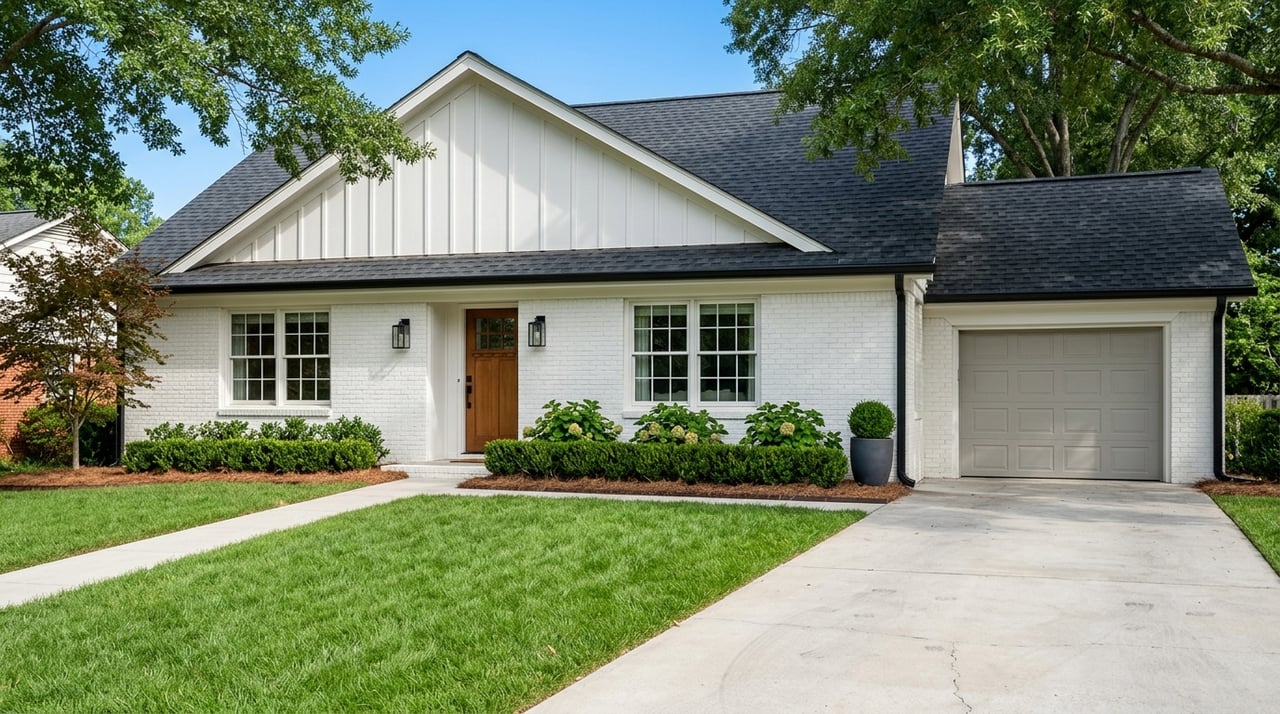
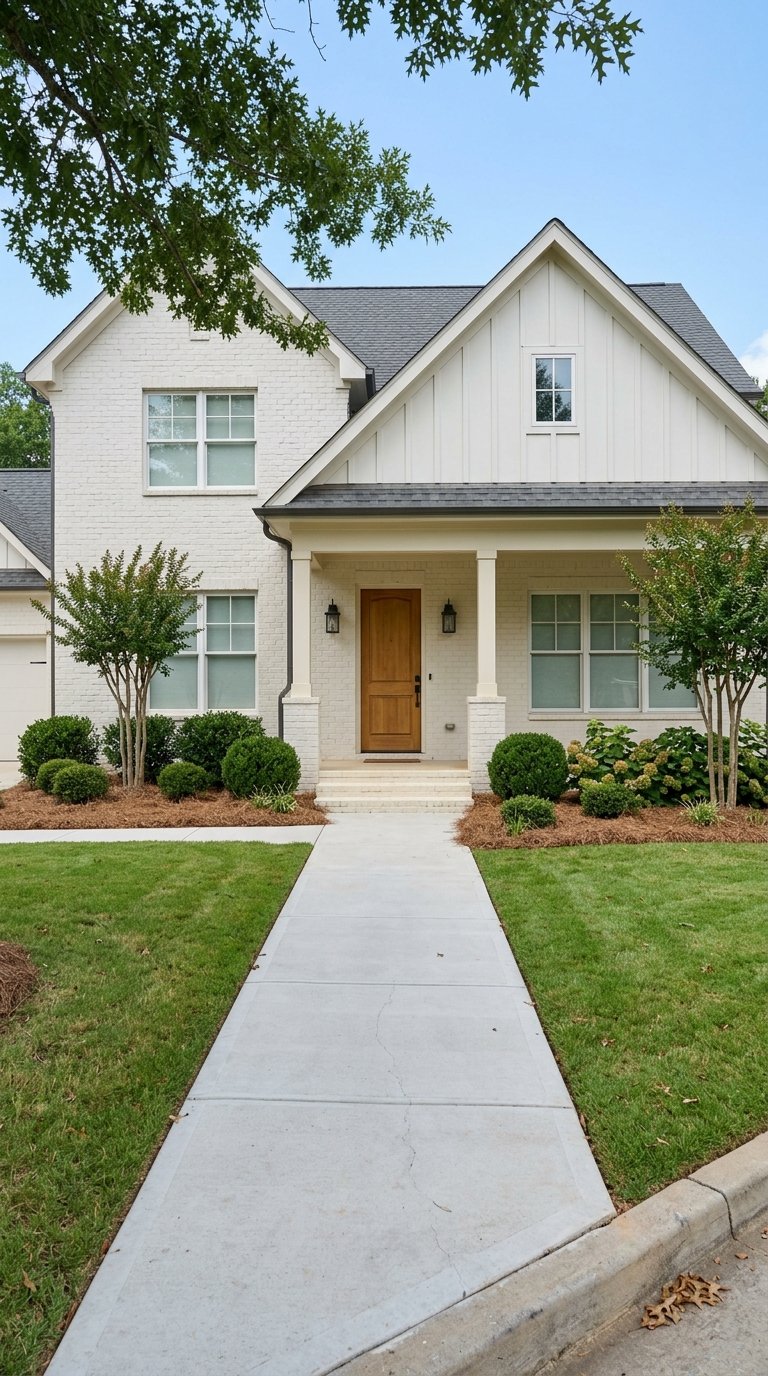
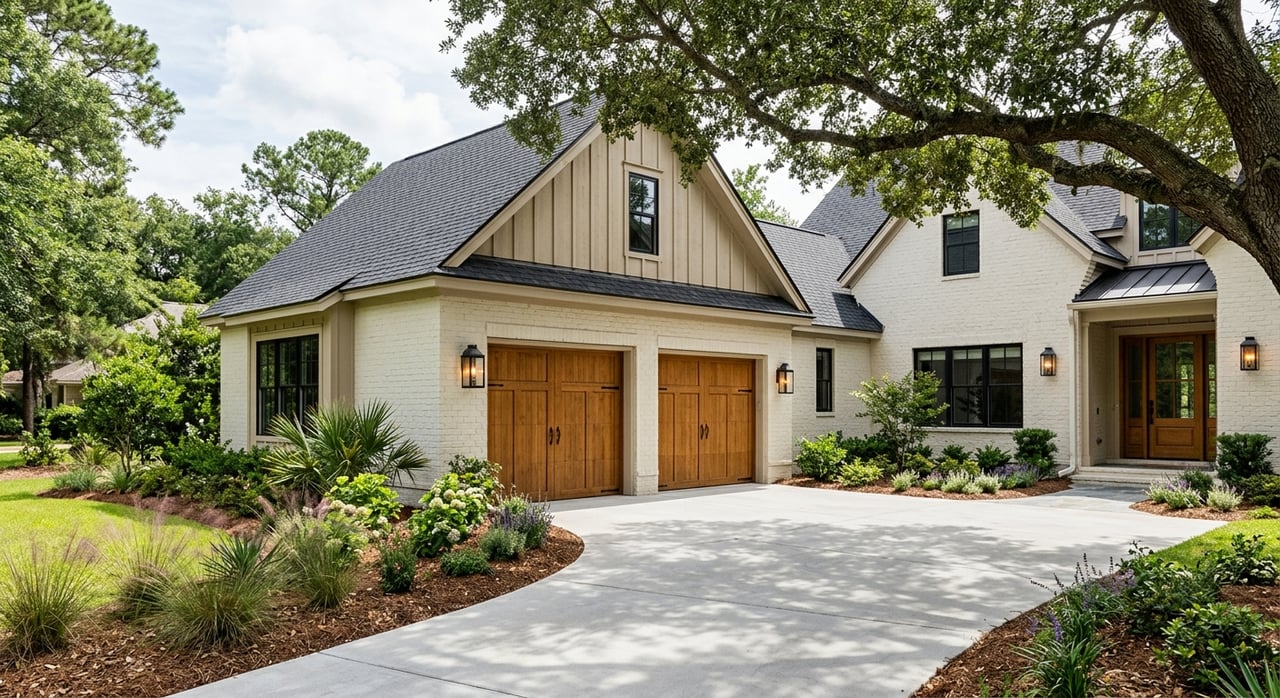
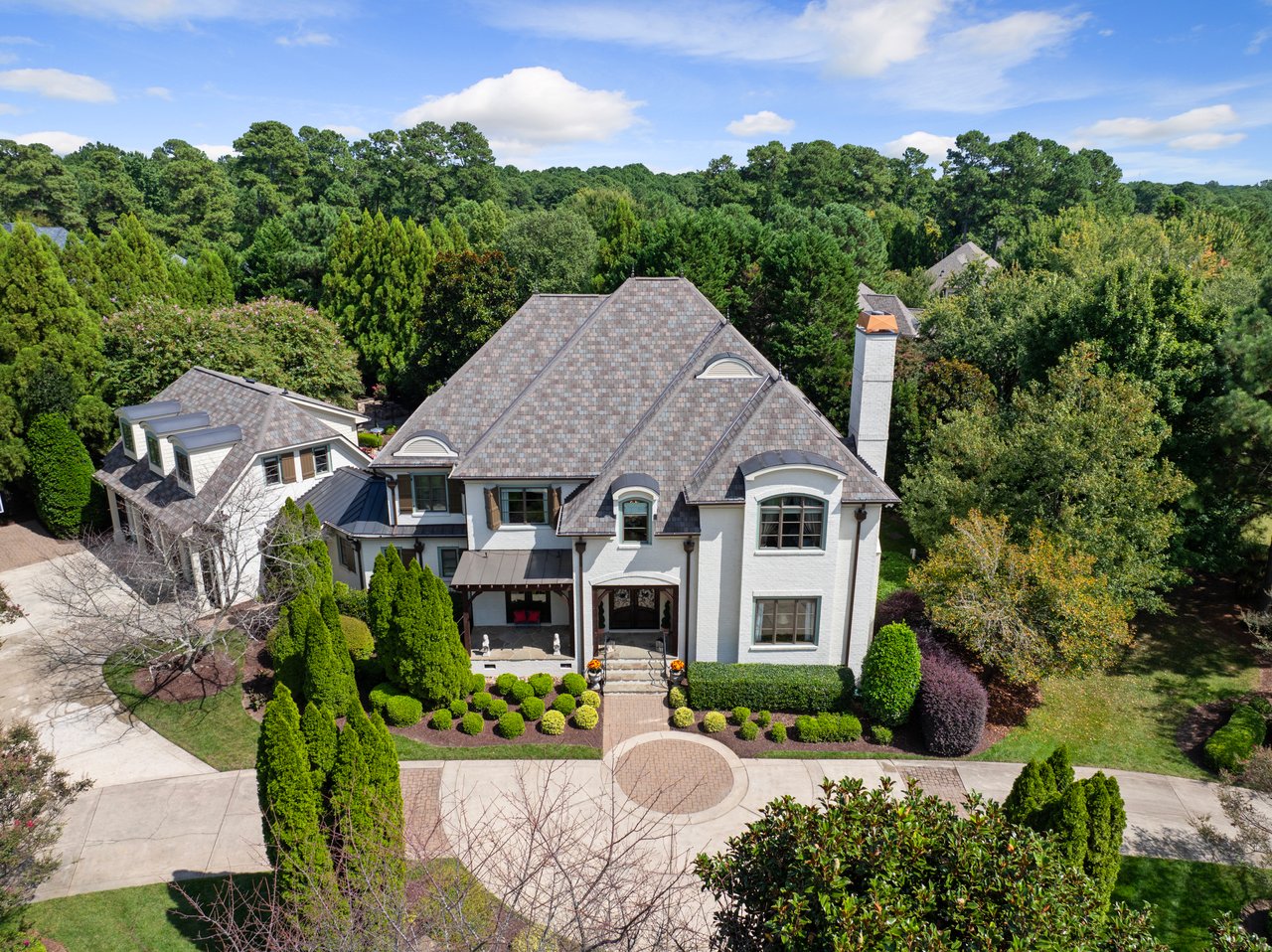
For the front of the house, the staging equation is simpler than it looks. A clean, edged bed with three-inch pine bark mulch on drip reads as maintained even when the surrounding turf is honest about the drought. A power-washed driveway does not, because Stage 1 prohibits washing down driveways and sidewalks. The photographer will thank you for cleaning the walk with a broom and a bucket instead.
Splash pads and city water features are still running because they recirculate. That detail matters for the family-oriented buyer walking through Dorothea Dix Park's Gipson Play Plaza on the same afternoon they tour the listing. The neighborhood does not feel closed for drought, and the listing should not either.
The fall calendar the buyer is going to ask about
Buyers reading a July MLS listing in 2026 are going to ask what the yard looks like in October. Sellers should have an answer.
Fall reseeding of tall fescue in the Triangle begins in mid-September, when soil temperatures drop below 70°F. Overseeding a thin summer lawn is a two-to-three-hour job for a homeowner and roughly $600 to $1,200 for a landscape contractor on a typical Inside-the-Beltline lot. Full germination and mow-in takes 21 to 28 days. A home that closes in early November on an August contract can be handed off with a healthy lawn, provided the seller commits in writing to the overseeding and the buyer credits the timing.
That is a cleaner negotiation than pretending the lawn will recover on its own. It is also a bit of local knowledge that separates a Raleigh listing agent from an out-of-market referral.
FAQ
Do the restrictions apply if the property is in Wake Forest or Knightdale, not Raleigh proper? Yes. Raleigh Water's service area covers Garner, Knightdale, Rolesville, Wake Forest, Wendell, and Zebulon under the same rules, because those merger communities' supply contracts require conservation measures at least as restrictive as the city's.
Will Stage 2 change what the seller needs to do? Yes. Stage 2 tightens the days and hours further and carries higher penalties. The City Council's June 2026 vote gave Raleigh Water flexibility to move to Stage 2 earlier than the original plan allowed if Falls Lake continues to drop. A listing strategy that assumes Stage 1 conditions through closing should be revisited if the reservoir crosses the Stage 2 trigger.
Is a brown lawn a required disclosure under NC Form 2-T? Turf condition is not a Residential Property Disclosure Statement line item. Active HOA violations, enforcement letters, and pending fines are. If the association has sent notices related to lawn appearance during the restriction, that history belongs in the file.
The Raleigh sellers doing best under Stage 1 are not the ones with the greenest lawns. They are the ones who priced the calendar honestly, kept their beds on drip, and handed the buyer a plan for October instead of an argument for July. That is a marketing decision before it is a landscape decision.
Angela Drum Team Realtors prepares every Raleigh listing with a written pre-market plan that accounts for current Raleigh Water restrictions, HOA correspondence, and the fall reseeding window that most buyers are already asking about. Request a complimentary market strategy and home valuation to see what your property should be doing between now and mid-September.