Thinking about buying or using a property as a vacation rental in Wrightsville Beach? It can be an exciting opportunity, but the rules are more layered than many buyers expect. Before you assume a home or condo can be rented short term, you need to understand how state law, town zoning, taxes, parking, and private community rules can all affect your plans. Let’s dive in.
Why vacation rental rules matter
In Wrightsville Beach, vacation rental use is not just about whether a property is near the water or seems like a good fit for guests. Your use may be shaped by North Carolina law, local development rules, and any condo or HOA restrictions tied to the property.
That matters whether you are buying a second home, evaluating an investment property, or preparing to sell a home that may appeal to vacation-rental buyers. Clear due diligence upfront can help you avoid surprises after closing.
What North Carolina law says
Under North Carolina’s Vacation Rental Act, a vacation rental is generally residential property rented for vacation, leisure, or recreation for fewer than 90 days by someone who has another permanent residence. The law also requires a written vacation rental agreement for covered stays, and the tenant must accept it in one of the ways allowed by statute.
The same law also addresses situations that matter in coastal markets, including mandatory evacuations and refund rights when occupancy is prevented. If you plan to rent a property, it is important to have a clear written process for guest communication, evacuation compliance, and refunds.
There is also a future compliance item to know. If a property manager handles the rental, state law includes human-trafficking reporting procedures and training deadlines for vacation rentals initially offered for lease on or after July 1, 2025, with a later compliance deadline of June 30, 2027, for existing rentals under the statute.
Understand the tax side
Taxes are a major part of vacation-rental planning in Wrightsville Beach. According to the North Carolina Department of Revenue, accommodation rentals are generally subject to the applicable state and county sales tax rate, and New Hanover County’s current general sales-and-use tax rate is 7%. Wrightsville Beach also levies a 6% room occupancy tax, which means a standard short-term stay is generally exposed to both taxes before platform fees or other charges.
New Hanover County also states that room-occupancy reports are due by the 20th day after the reporting month. If you are buying a property with rental plans, one of the first questions to answer is who will collect, report, and remit those taxes.
There are important exceptions. Per the North Carolina Department of Revenue, an occasional or isolated rental of a private residence or cottage by the owner for fewer than 15 days in a calendar year is not subject to sales tax, but that exception does not apply if the property is generally or routinely made available for rental to transients. The same source says a stay rented to the same person for 90 or more continuous days is not subject to sales or room occupancy taxes.
Wrightsville Beach zoning is a key checkpoint
One of the most important local rules is that Wrightsville Beach’s Unified Development Ordinance requires a certificate of zoning compliance before land may be used or occupied. The code also states that a use change includes a change in ownership of the land or business operated on the land.
For buyers, that is a big deal. It means local review may not stop just because a seller has been using the property a certain way. If ownership changes, you may need updated zoning-compliance review as part of your due diligence.
The same code says development approvals are in writing, and the rights, privileges, burdens, and obligations created by those approvals attach to and run with the land. In practical terms, you should confirm exactly what has been approved for the property and not rely on assumptions, listing language, or past informal use.
Permits and use details matter
The town also requires building-permit applications to show the existing and proposed uses, plus the number of families, housekeeping units, or rental units the building is designed to accommodate. The UDO further states that no building or structure may be erected, moved, added to, demolished, or structurally altered without the required building and zoning permits from the town.
If you are considering updates to improve rental appeal, that matters. A renovation plan, reconfiguration, or structural change could trigger permit review even if the property has been used as a residence for years.
Parking can limit rental potential
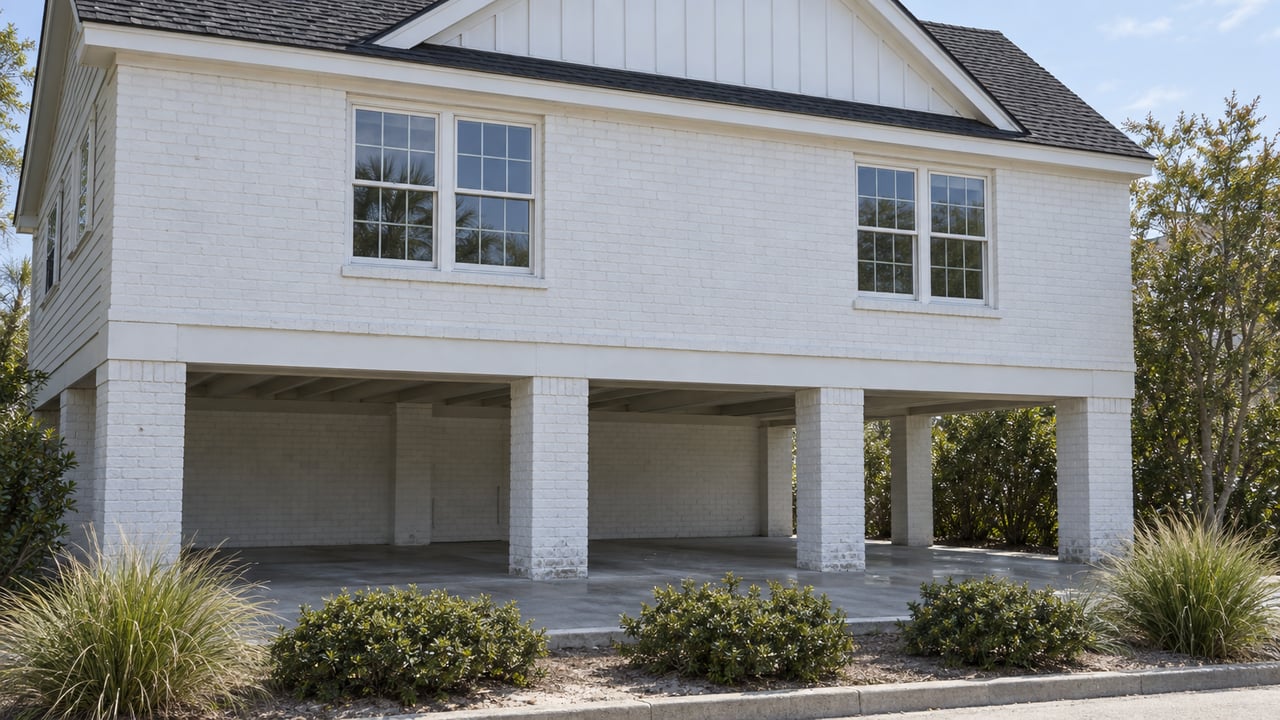
Parking is one of the most practical issues buyers overlook in Wrightsville Beach. The town code says no certificates of occupancy are issued until required parking spaces and ingress and egress are fully constructed.
For residential uses, required parking is tied to toilet-fixture count:
- 1 to 3 fixtures: 2 spaces
- 4 to 5 fixtures: 3 spaces
- 6 to 7 fixtures: 4 spaces
- 8 or more fixtures: 5 spaces
You can review those parking standards in the town’s parking regulations. Before you buy, confirm not only how many spaces are required, but whether they are already built, functional, and accessible.
Flood and stormwater rules affect costs
Wrightsville Beach’s UDO expressly states that it is designed in part to control development of flood-prone areas and regulate stormwater runoff and discharge. That means a property’s flood zone status, stormwater constraints, and likely insurance costs should all be reviewed before you rely on a rental income projection.
For coastal buyers, this is not a small side note. A home that looks strong on paper may carry higher ownership costs or development limits than expected once flood and site conditions are fully understood.
HOA and condo rules are separate
Town approval is only one layer. Wrightsville Beach’s UDO says its enforcement and interpretation are not affected by deed restrictions, covenants, or easements, except those made as a condition of development approval. In plain terms, private restrictions can still control whether a property may be used as a vacation rental.
That is why condo documents, declarations, bylaws, and community rules should be reviewed before closing, not after. Even if a property appears to satisfy town zoning, an HOA or condo association may impose separate rental, occupancy, use, or parking rules.
The town code also outlines requirements where a property owners’ association exists, including legal instruments reviewed by the Town Attorney and declarations filed with both the county register of deeds and the town in certain cases. You can see that framework in the town’s POA-related code provisions.
Questions to ask before closing
If you are evaluating a Wrightsville Beach property for personal use, mixed use, or investment potential, these are smart questions to ask early:
- Is the current use already approved by the town?
- Will the town require updated zoning-compliance paperwork because ownership is changing?
- Can the property meet the required parking standards?
- Are all required parking spaces already built and accessible?
- Do the condo or HOA documents allow short-term rentals?
- Do private rules add occupancy, parking, or use restrictions?
- Who will collect and remit sales tax and room occupancy tax?
- Who will handle the monthly occupancy reports due by the 20th?
- Could any planned stay reach 90 or more continuous days, changing tax treatment?
- Is there a written evacuation and refund process that aligns with the Vacation Rental Act?
These questions can help you move from general interest to clear, document-backed answers.
What this means for buyers and sellers
If you are buying, vacation-rental potential should be verified, not assumed. A strong purchase decision in Wrightsville Beach usually involves reviewing zoning compliance, parking, tax responsibilities, flood-related factors, and any private community restrictions before closing.
If you are selling, having this information organized can make your property easier to evaluate for interested buyers. Clear documentation about current use, approvals, parking, and community rules can help reduce uncertainty and keep a transaction moving smoothly.
At Angela Drum, we help buyers and sellers navigate the details that matter in coastal transactions, from property-specific due diligence to market strategy. If you are exploring a Wrightsville Beach purchase or preparing to sell, our team can help you ask the right questions early and move forward with confidence.
FAQs
What counts as a vacation rental under North Carolina law?
- Under the Vacation Rental Act, it is generally residential property rented for vacation, leisure, or recreation for fewer than 90 days by someone who has another permanent residence.
What taxes usually apply to a Wrightsville Beach vacation rental?
- Short-term accommodation rentals are generally subject to New Hanover County’s 7% sales-and-use tax rate and Wrightsville Beach’s 6% room occupancy tax, based on the North Carolina Department of Revenue guidance.
What is the occupancy-tax filing deadline for Wrightsville Beach rentals?
- New Hanover County says room-occupancy reports are due by the 20th day after the reporting month.
Does a change in ownership matter for zoning compliance in Wrightsville Beach?
- Yes. The town’s UDO says a use change includes a change in ownership of the land or business operated on the land, so buyers should confirm whether updated zoning-compliance review is needed.
Do HOA or condo rules matter if the town allows the use?
- Yes. The town code says zoning enforcement is generally separate from private deed restrictions, covenants, and easements, so HOA or condo documents may still restrict short-term rental use.
Why is parking such an important vacation-rental issue in Wrightsville Beach?
- The town ties required residential parking to toilet-fixture count and does not issue certificates of occupancy until required parking and access are fully constructed, so parking can directly affect a property’s usable setup and compliance path.