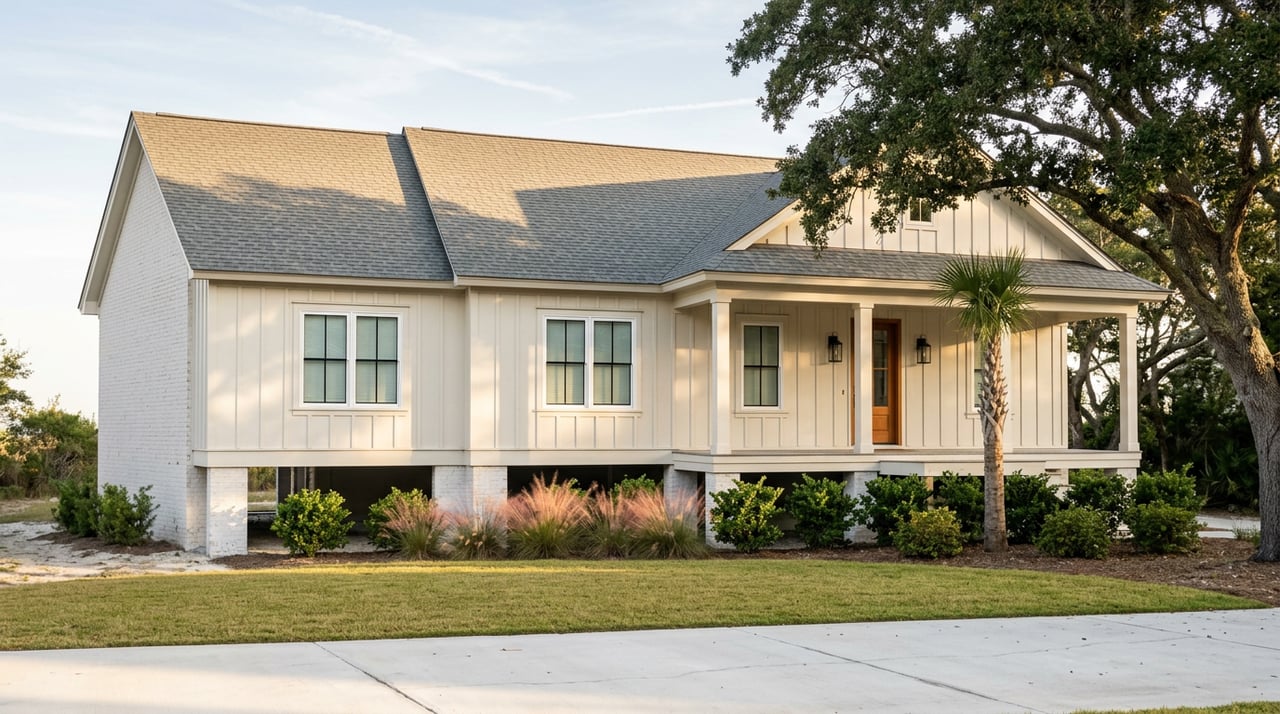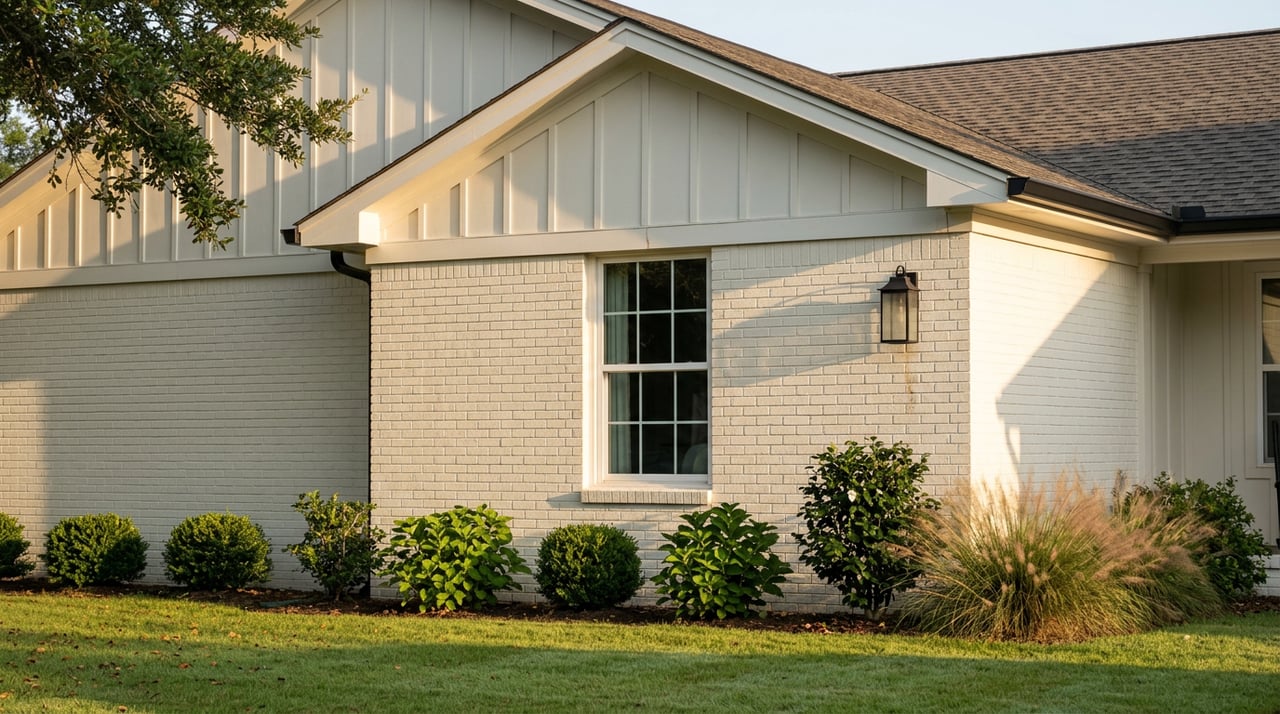
Wondering what day-to-day life in Raleigh really feels like? If you are weighing a move for work, school options, or more space, you want a clear picture before you pack a box. In this guide, you will learn how schools work across Wake County, where people work, what commutes look like, and how locals spend their free time. Let’s dive in.
Raleigh at a glance
Raleigh sits at the heart of North Carolina’s Research Triangle, with steady growth and a diverse economy. The 2020 U.S. Census counted roughly 467,000 residents in the city, and Wake County is the state’s most populous county. You can review high-level population trends on the U.S. Census Bureau’s QuickFacts for Raleigh.
A strong mix of state government, universities, technology, and life sciences powers the local job market. The region’s economic profile is outlined by the Research Triangle Regional Partnership, which highlights growth in tech, biotech, and advanced services.
Compared with many coastal tech hubs, Raleigh has traditionally offered a lower cost of living. Prices rose through the 2010s and early 2020s, with more recent market shifts moderating activity. If you are budget planning, check current local market reports for up-to-date pricing before you start touring.
Schools and education options
Most of Raleigh falls under the Wake County Public School System (WCPSS), one of the largest districts in North Carolina. WCPSS offers neighborhood schools along with magnet programs, career academies, language immersion, and early college options. You can explore these programs on the WCPSS website and review specific magnet and early college offerings.
School performance varies by campus and zone, and boundaries can change. North Carolina’s Department of Public Instruction publishes school accountability and report cards statewide. For a complete picture, compare recent report cards with WCPSS school boundary information and visit schools in person when possible.
Here is a simple way to research schools:
- Check your address or target neighborhood against WCPSS assignment and magnet program pages.
- Review current state report cards from the North Carolina Department of Public Instruction.
- Call school offices about enrollment, transportation, and program availability.
- Tour during school hours if possible to understand daily operations and student support.
Higher education also shapes Raleigh’s daily life. NC State University sits in the city and contributes research, sports, and arts programming. Nearby universities, labs, and institutes across the Triangle create a steady talent pipeline for tech and life sciences employers.
Where jobs are and who hires
You will find several major employment centers across the Triangle:
- Research Triangle Park (RTP). A regional hub for tech, biotech, and corporate R&D with tens of thousands of jobs. Many Raleigh residents commute to RTP.
- Downtown Raleigh. State government, legal and financial services, health care, and a growing base of IT and startup offices.
- NC State University and related research parks. University jobs, spinouts, and commercialization hubs.
- Western Wake nodes. Cary and Morrisville host major tech and services employers.
Hiring remains strong in information technology, life sciences and pharmaceuticals, health care, education, and public sector roles. Hybrid schedules are common, but lab-based and on-site roles are still significant. Proximity to your workplace often shapes your housing search, so it helps to prioritize location early.
Commutes and transportation
Raleigh is still car-oriented, and most residents drive to work. Typical one-way commute times are broadly similar to peer metros, often in the low to mid 20 minutes for many residents, although peak congestion on I-40, I-440, I-540, and US-1/US-64 can add time.
Public transit options include:
- City buses via GoRaleigh, which serve many neighborhoods and key job centers.
- Regional routes via GoTriangle that connect Raleigh, Durham, Cary, and RTP, with park-and-ride options and express service on select corridors.
There is no heavy-rail commuter line in the Triangle and no citywide subway or light rail as of mid-2024. Cycling has become more practical along certain protected lanes and low-traffic streets, and many residents use greenways for recreation and some commutes.
Commute planning tips:
- Run a drive-time check from your preferred neighborhoods to your workplace during peak hours.
- If you work in RTP, consider access to I-40 and park-and-ride locations served by GoTriangle.
- For downtown roles, test a bus route on a weekday using GoRaleigh schedules.
- If you prefer biking, review nearby bike lanes and greenway connections.
Parks, greenways, and the outdoor scene
Raleigh offers a deep bench of outdoor options, with hot, humid summers and mild winters shaping when you get outside. Highlights include:
- Dorothea Dix Park. A large central park with skyline views and community events.
- William B. Umstead State Park. Miles of hiking and biking trails within a short drive.
- Pullen Park. A historic park near NC State with a carousel, paddle boats, and playgrounds.
- Lake Johnson and local lakes. Kayaking, fishing, and paved trails.
The region’s prized greenway network connects neighborhoods to parks and natural areas. Start with the City of Raleigh’s parks and greenways resources to map trail access and plan weekend rides. The Neuse River Trail links multiple communities with long, scenic stretches for running and cycling.
Culture, dining, and events
Raleigh’s cultural calendar stays full year-round. Two major museums anchor the scene:
- The North Carolina Museum of Natural Sciences, one of the largest natural history museums in the Southeast, offers interactive exhibits and special programs.
- The North Carolina Museum of Art pairs a strong collection with a popular outdoor park for art walks, concerts, and films.
You will also find performing arts at the Duke Energy Center, active local theaters, and a lively live music scene. Dining ranges from Southern staples to global cuisines, and the craft beer community has a strong presence across taprooms and brewpubs. Neighborhood hubs like Glenwood South, downtown’s Warehouse District, and North Hills offer a mix of restaurants, nightlife, and retail.
Weekend idea to sample the city:
- Morning coffee and a walk on the greenway.
- Late morning at the Museum of Natural Sciences.
- Lunch downtown, then an afternoon ride at Umstead or a stroll at Dix Park.
- Dinner in Glenwood South or North Hills, followed by a show or concert.
Neighborhood snapshots
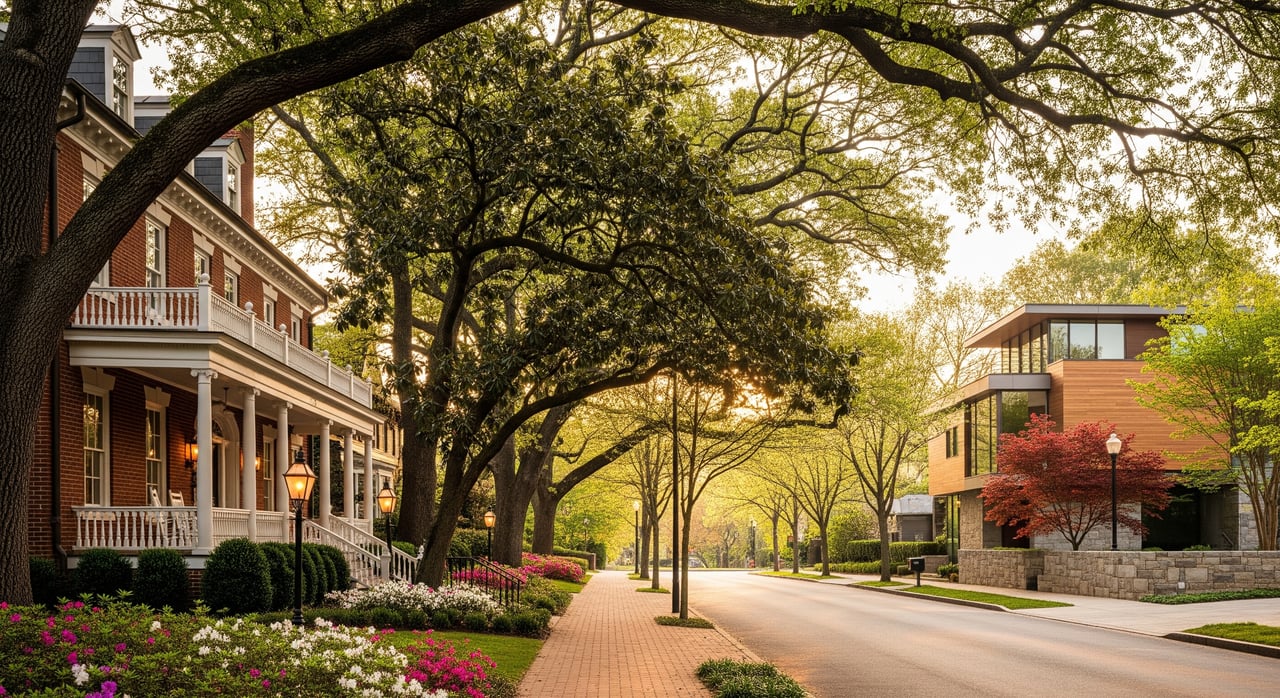
Raleigh gives you a range of neighborhood styles, from urban lofts to quiet cul-de-sacs. Here is a quick orientation to help you narrow your list:
- Downtown and central neighborhoods (Downtown, Glenwood South, Warehouse District, Boylan Heights). Urban, walkable areas with condos, apartments, and cultural venues. Good for short commutes to central offices and nightlife.
- Midtown and North Hills. Mixed-use centers with newer developments, shopping, dining, and mid-density living. Convenient if you want amenities close by and quick access to major corridors.
- Historic areas near NC State (Cameron Village, Five Points, Mordecai, Oakwood). Tree-lined streets with older homes and a strong neighborhood identity, close to central amenities.
- North Raleigh and suburban Wake County (North Raleigh, Wake Forest, Brier Creek). Predominantly single-family neighborhoods with larger lots and newer communities.
- West and Southeast Raleigh. A broad mix of housing types, with ongoing redevelopment and a range of price points.
- Surrounding towns (Cary, Apex, Holly Springs). Sought-after suburban communities where many residents commute to Raleigh or RTP.
The best way to choose is to visit at different times of day, test your commute, and confirm school options tied to the address.
Is Raleigh a fit for you?
If you want a strong job market, diverse neighborhood choices, and easy access to parks and culture, Raleigh is worth a close look. You will trade subways for highways, but you can offset that with careful neighborhood selection and flexible schedules. Families appreciate the range of public magnet options and nearby private schools. Young professionals often choose urban or midtown living for shorter drives and walkable nights out.
To get started, try this simple plan:
- Define your top two priorities: schools, commute, or space/amenities.
- Map drive times during rush hour for your top neighborhoods.
- Verify school boundaries and programs through WCPSS and state report cards.
- Tour homes and neighborhoods on weekdays and weekends.
- Line up relocation support to coordinate timing, temporary housing, and move-in logistics.
When you are ready to look, you deserve a team that knows the Triangle block by block and can streamline your move. Connect with Angela Drum to request a complimentary market strategy and home valuation, coordinate tours, and get concierge-level relocation support.
FAQs
How does school choice work in Wake County?
- Start with the Wake County Public School System for assignment details and magnet options, then compare programs with state report cards from the North Carolina Department of Public Instruction.
What is a typical commute from Raleigh to RTP?
- Many residents see one-way times in the 20 to 35 minute range depending on start point and traffic, with I-40 and I-540 corridors affecting peak-hour travel.
Is public transit practical for daily commuting in Raleigh?
- Some commuters use GoRaleigh city routes and GoTriangle regional service with park-and-ride lots, but many residents still rely on cars for daily travel.
Where can I find Raleigh’s greenways and park info?
- Use the City of Raleigh’s parks and greenways resources to see trail maps, facility details, and links to major parks and recreation centers.
What museums should I visit first in Raleigh?
- The North Carolina Museum of Natural Sciences and the North Carolina Museum of Art are popular first stops, with robust exhibits and outdoor programming.
Where can I see reliable data about Raleigh and schools?
- Check U.S. Census QuickFacts for city trends, WCPSS for school options and boundaries, and the North Carolina Department of Public Instruction for accountability and report cards.