If you price your Raleigh home right, everything else gets easier. Showings pick up, feedback is positive, and you keep control of your timeline. If you miss the mark, you chase the market and lose leverage. In this guide, you’ll learn how smart list pricing works in Wake County, what market velocity really means, and how presentation and timing protect your final sale price. Let’s dive in.
Read the Raleigh market fast
Before you pick a number, ground your thinking in current market context. In January 2026, Redfin reported a Raleigh median sale price around $395,000, a median 59 days on market, and a sale-to-list ratio near 97.7 percent. That tells you many homes are selling close to their asking prices, but not all of them are landing at or above list. You can scan aggregated views too. Zillow’s Raleigh Home Value Index was $424,924 as of January 31, 2026, which is a different metric than a simple median sale price.
These sources often differ because they use different data and methods. Treat them as useful context only. Your most accurate pricing anchor will be a Triangle MLS-based Comparative Market Analysis (CMA) tailored to your home.
What market velocity means
Market velocity tells you how quickly well-priced homes go under contract. Three metrics matter most:
- Days on Market (DOM): How long between list and contract. A shorter DOM usually signals a tight segment or sharp pricing. You will compare your traffic to the local median. You can review a recent snapshot on Raleigh from sources like Redfin for context.
- Sale-to-List Ratio: Final sale price divided by list price. Numbers near 100 percent suggest prices are landing close to asking. A lower ratio hints that buyers have more room to negotiate.
- Months of Supply: How long it would take to sell current inventory at the present sales pace. Under roughly 4 months tends to favor sellers, 4 to 6 months is balanced, and over 6 months leans buyer-friendly. Agents also slice these by price band and neighborhood because micro-markets move differently. Learn the definition and rule-of-thumb thresholds for months of supply from industry guidance on absorption rates.
How agents price with a CMA
A CMA is your agent’s evidence-based estimate of value using recent sales and current competition. It is not a single magic number. A strong CMA gives you a supported value range and a recommended launch price with clear rationale. You should see 3 to 6 sold comparables when possible, with emphasis on recency and similarity in size, beds and baths, condition, lot, and location. The closest, most recent comps with the fewest adjustments carry the most weight.
Your CMA should also show active and pending listings to reveal the competition and include expired or price-reduced listings to show what the market rejected. Ask your agent to walk through each adjustment so you understand how features like a finished basement, updated kitchen, or lot view are handled. For a quick consumer overview of CMAs and how to read them, review this practical guide to comparative market analysis.
It also helps to know what a CMA is not. A formal appraisal is an independent opinion of value used by lenders. Appraisers rely heavily on closed sales, not asking prices, and they make adjustments to align comps to your home. That matters if you try to price significantly above what closed comps support, which can create appraisal risk with financed buyers.
Red flags of an inflated CMA
Watch for warning signs that someone may be “buying the listing.” If you see distant or very old comps without a clear reason, reliance on only active listings as so-called comps, or missing data on DOM and price-reduction history, ask questions. These are common signals of a CMA that is skewed high.
Choose your pricing posture
Once you understand your range, pick a pricing posture that fits your goals and market segment.
1) Aggressive or “below market”
You list slightly under the middle of your CMA range to create urgency and invite multiple offers. This can work in Raleigh price bands with tight inventory. Think of a refreshed 3-bedroom townhome near Downtown where buyers watch daily alerts. Pros: rapid activity and potential bidding. Cons: you could leave money on the table if the market would have paid more.
2) Market-target
You choose a list price near the heart of your CMA range to balance speed and price. This fits many balanced Wake County segments, like a well-kept North Raleigh single-family in standard condition. Pros: steady showings and a strong chance to sell near list. Cons: less chance of a true bidding surge.
3) Aspirational or above market
You list on the high side to test the ceiling. This sometimes suits unique homes or sellers with more time, such as a custom property with rare features. Pros: you may capture a premium if a perfect-fit buyer emerges. Cons: you risk higher DOM and price cuts that can stigmatize the listing.
No matter your approach, follow the early-window rule. Evaluate buyer traffic and feedback within the first 10 to 21 days. If showings, saves, and inquiries lag behind local norms, the most effective fix is usually a calibrated price adjustment. Many experienced listing guides recommend using this 2 to 3 week evaluation window to decide on next steps.
Presentation protects your price
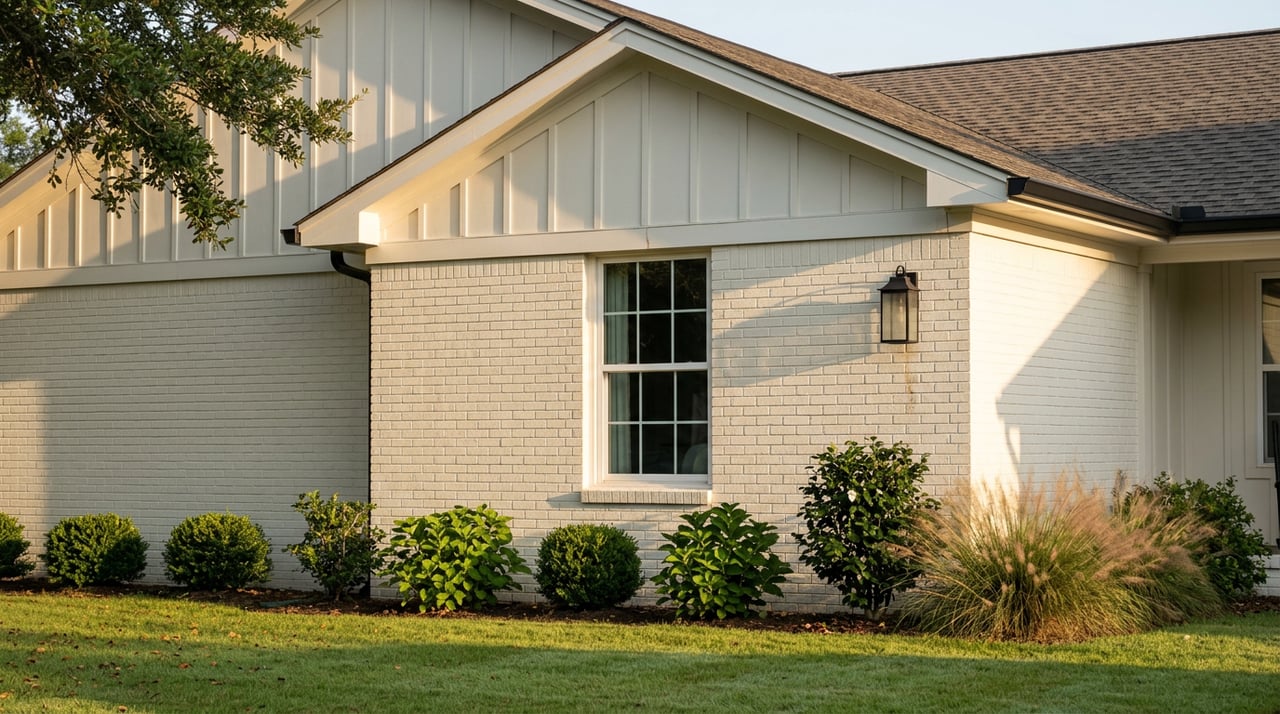
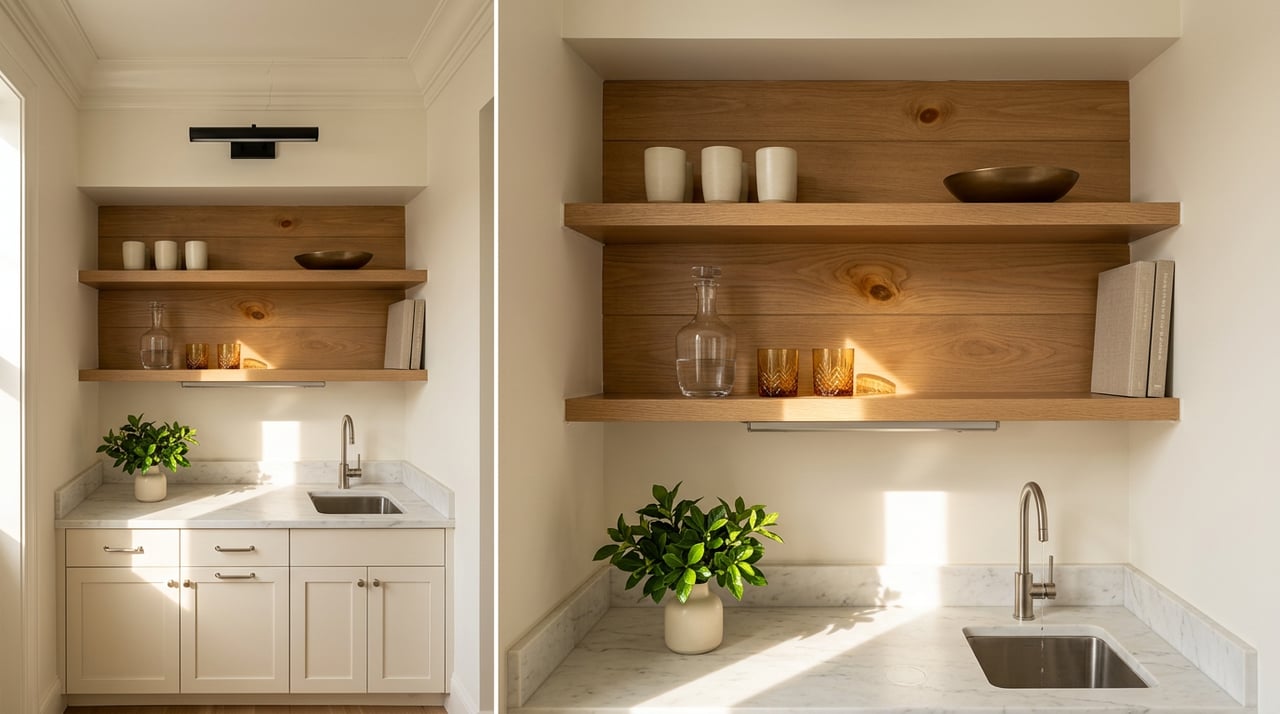
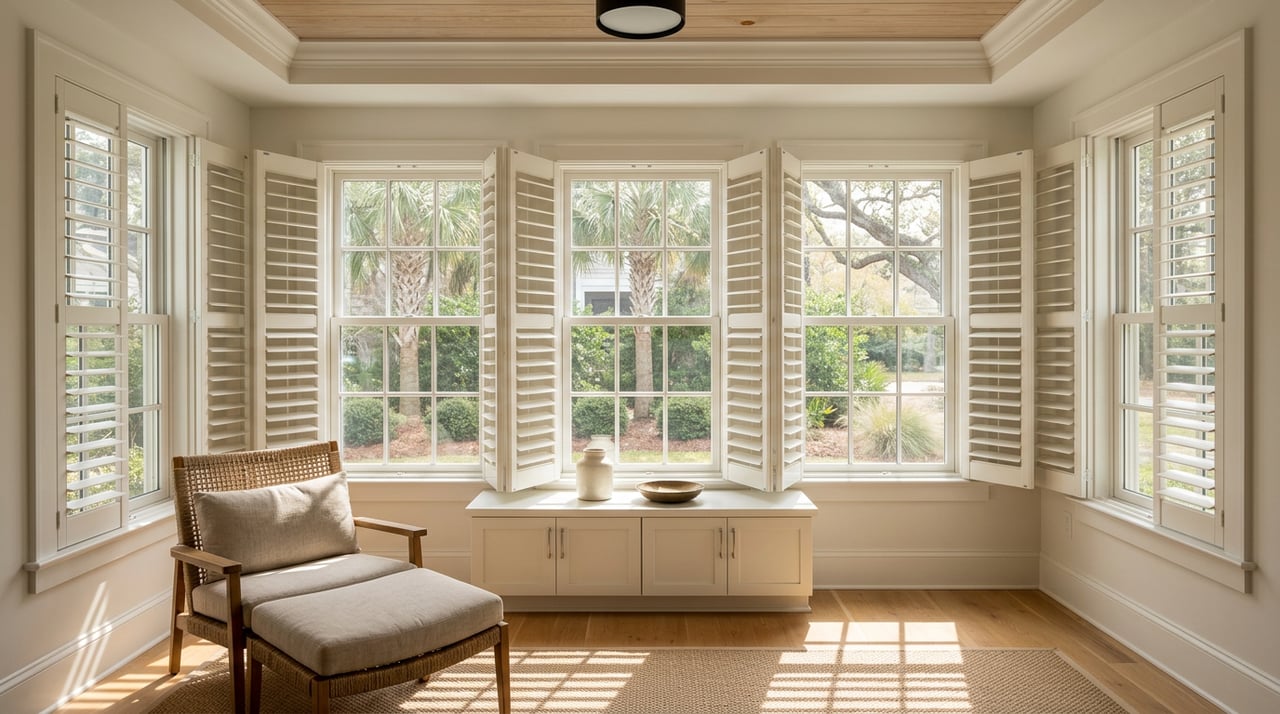
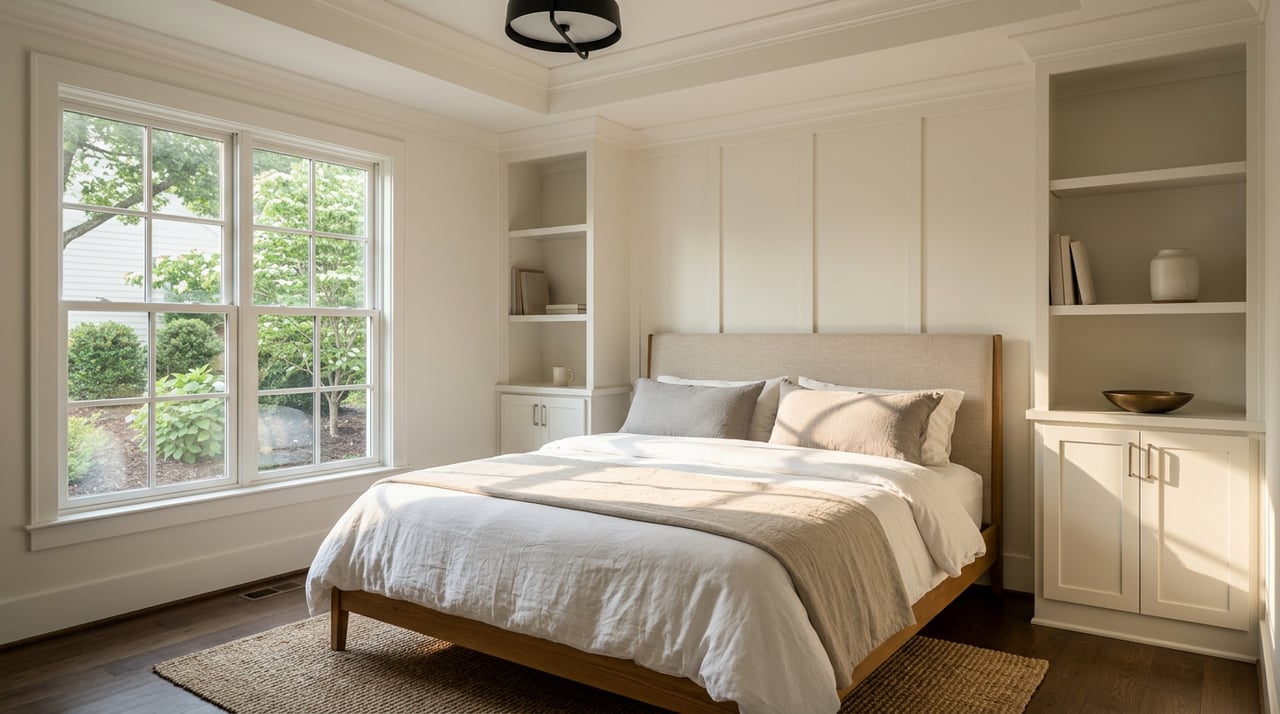
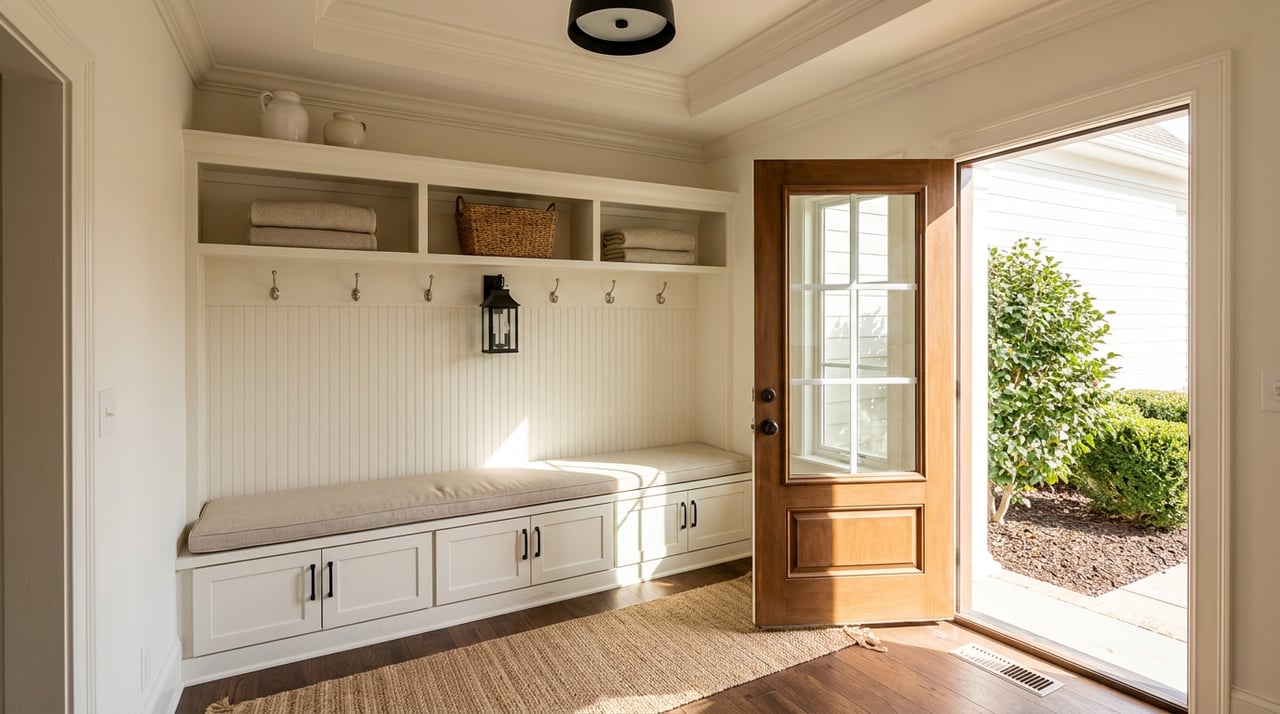
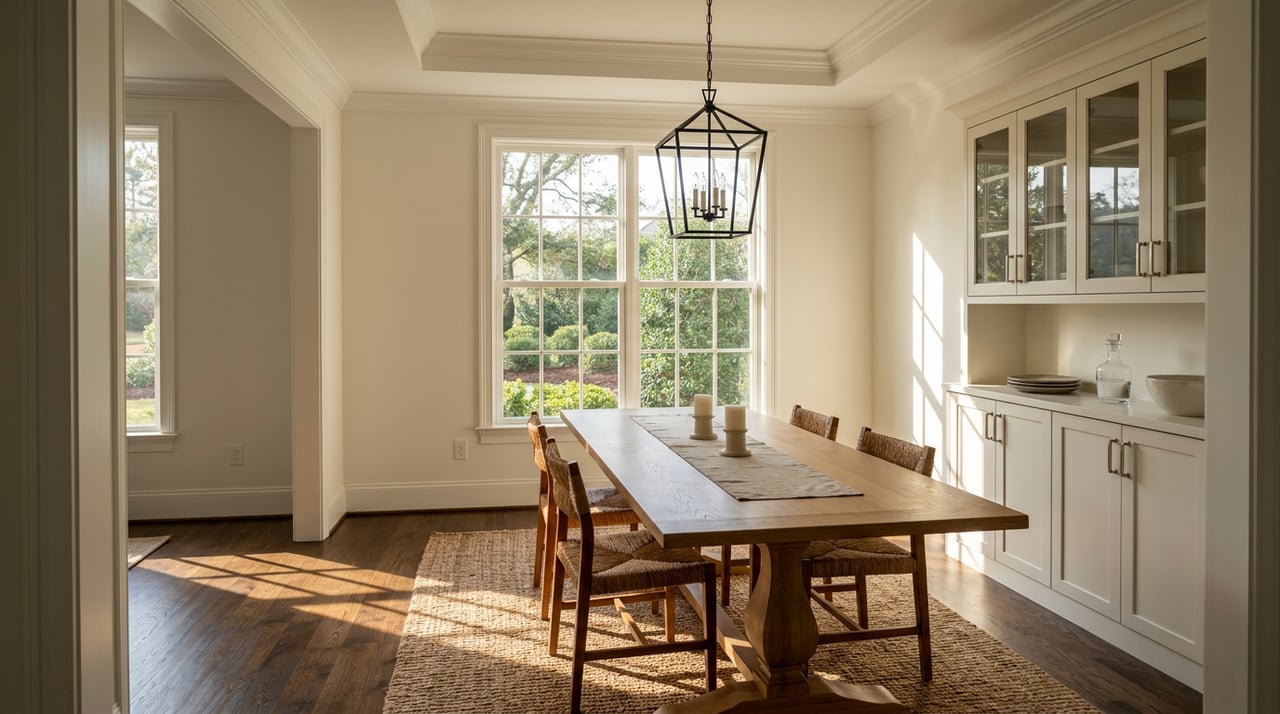
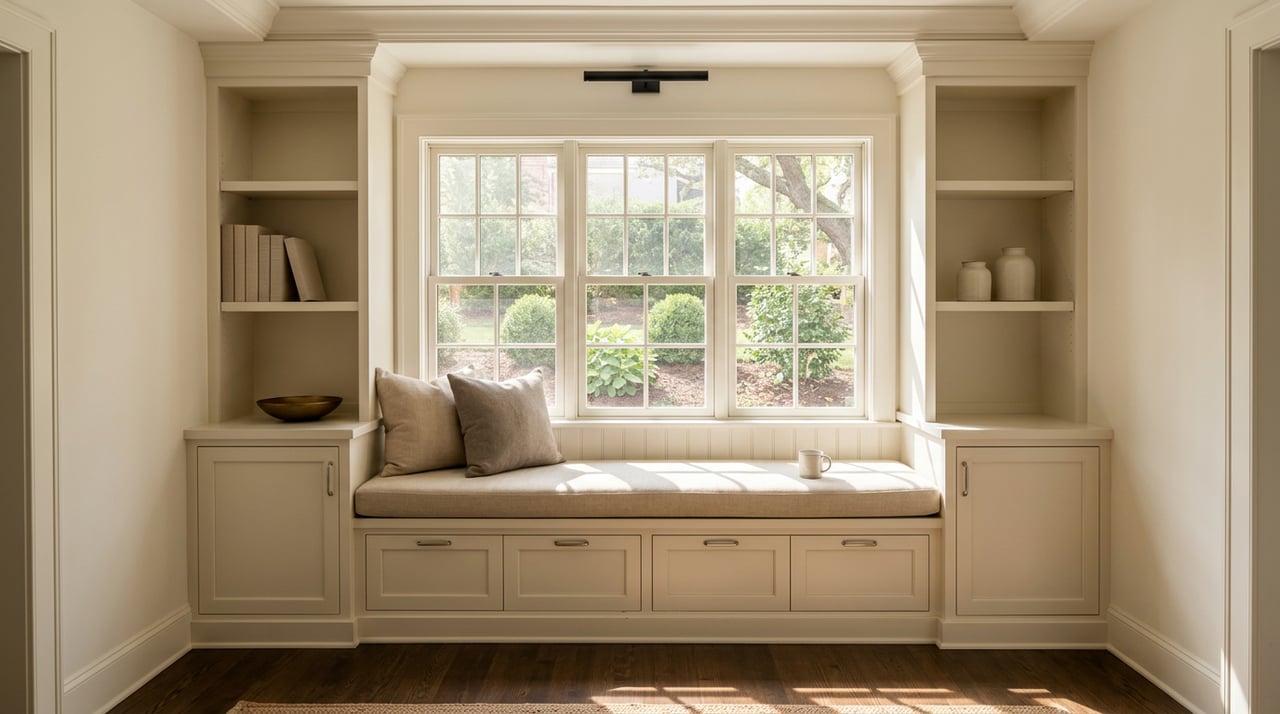
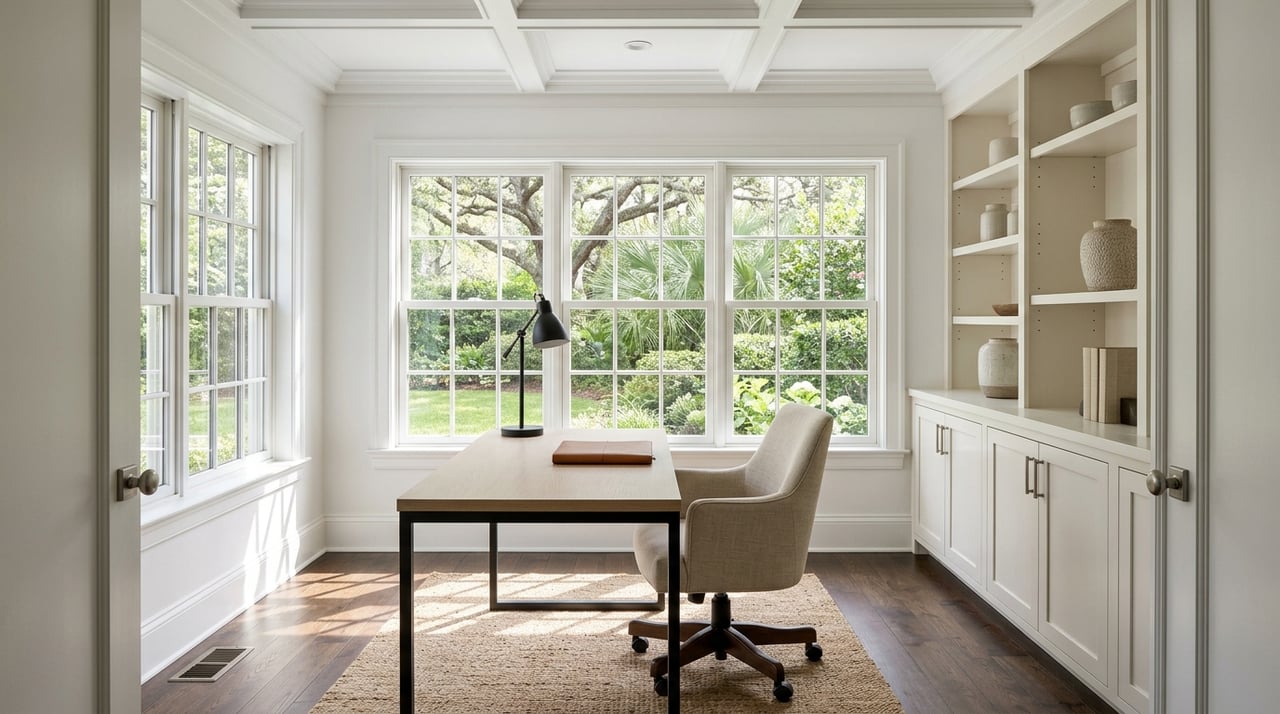
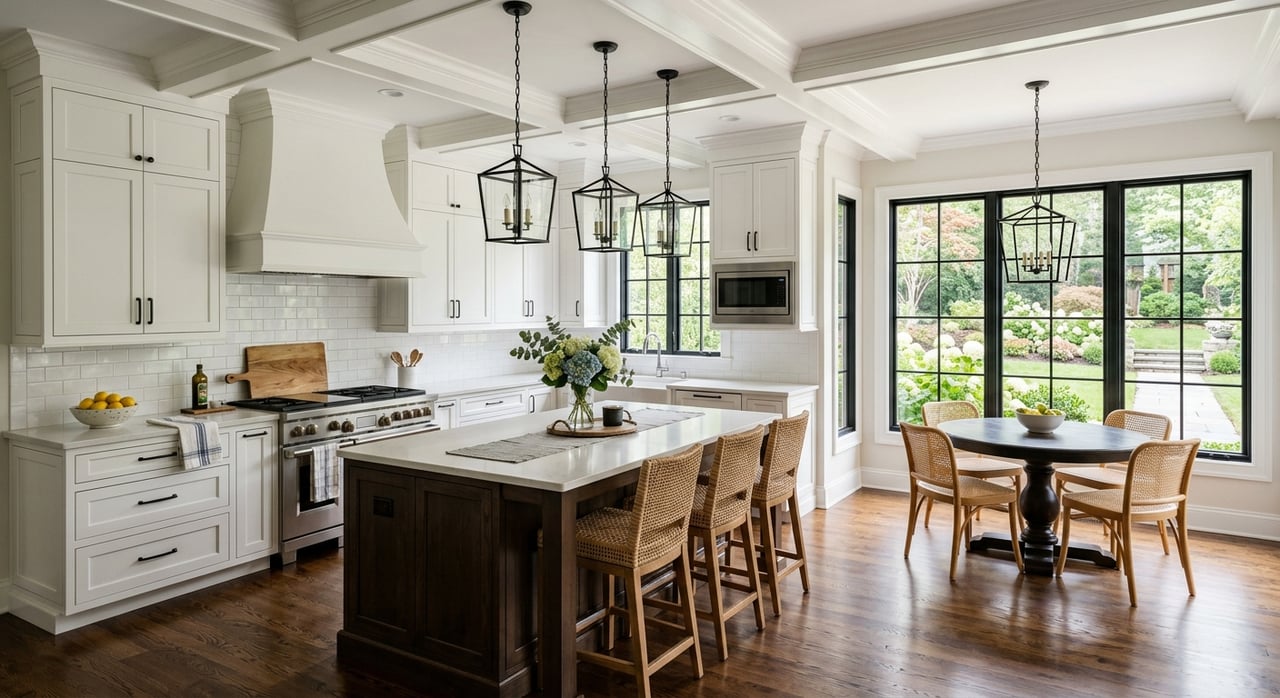
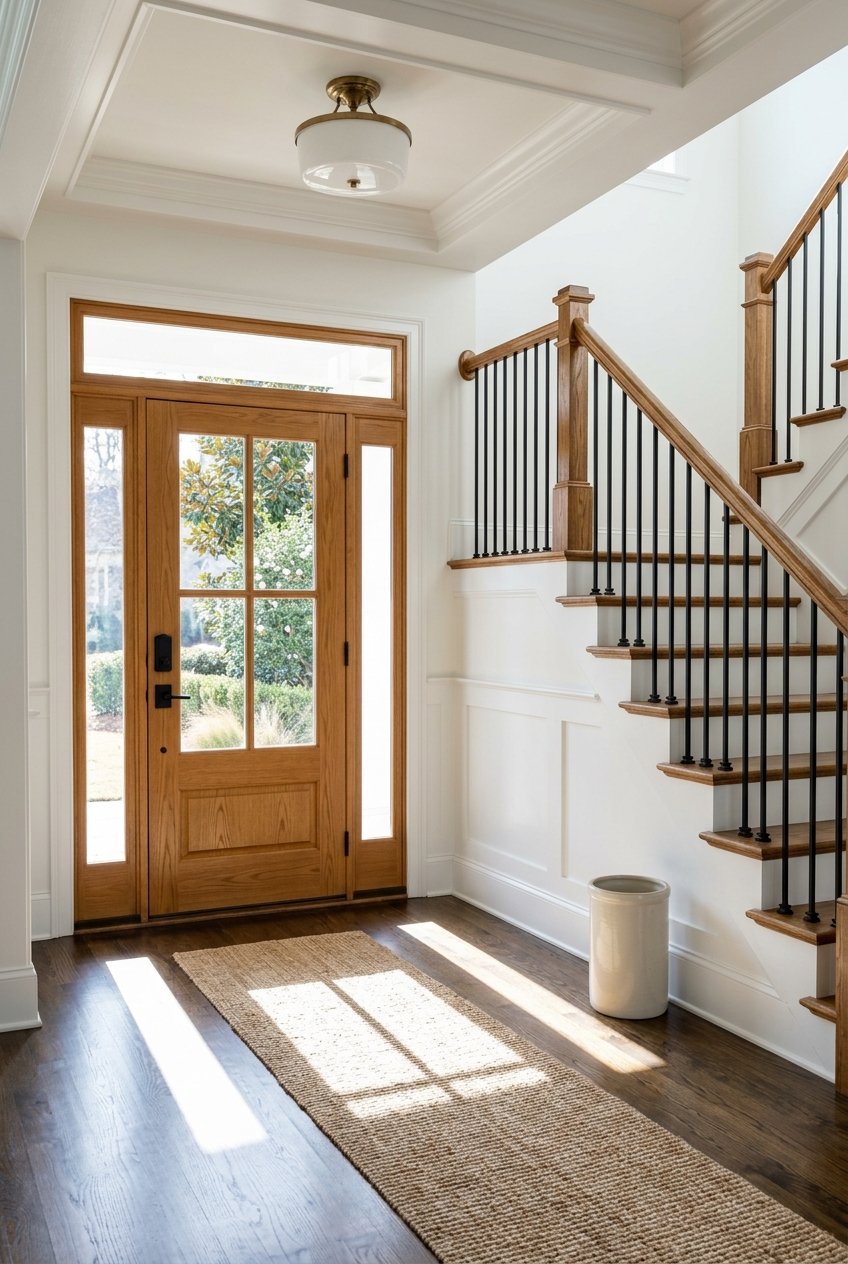
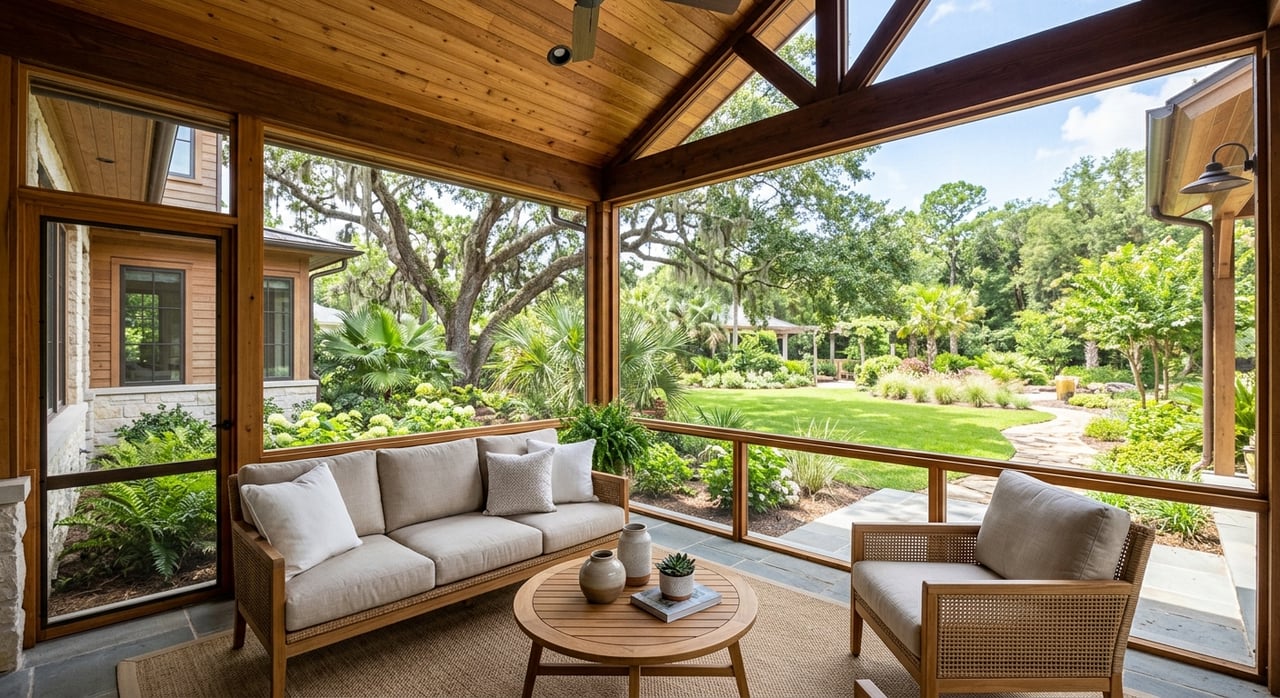
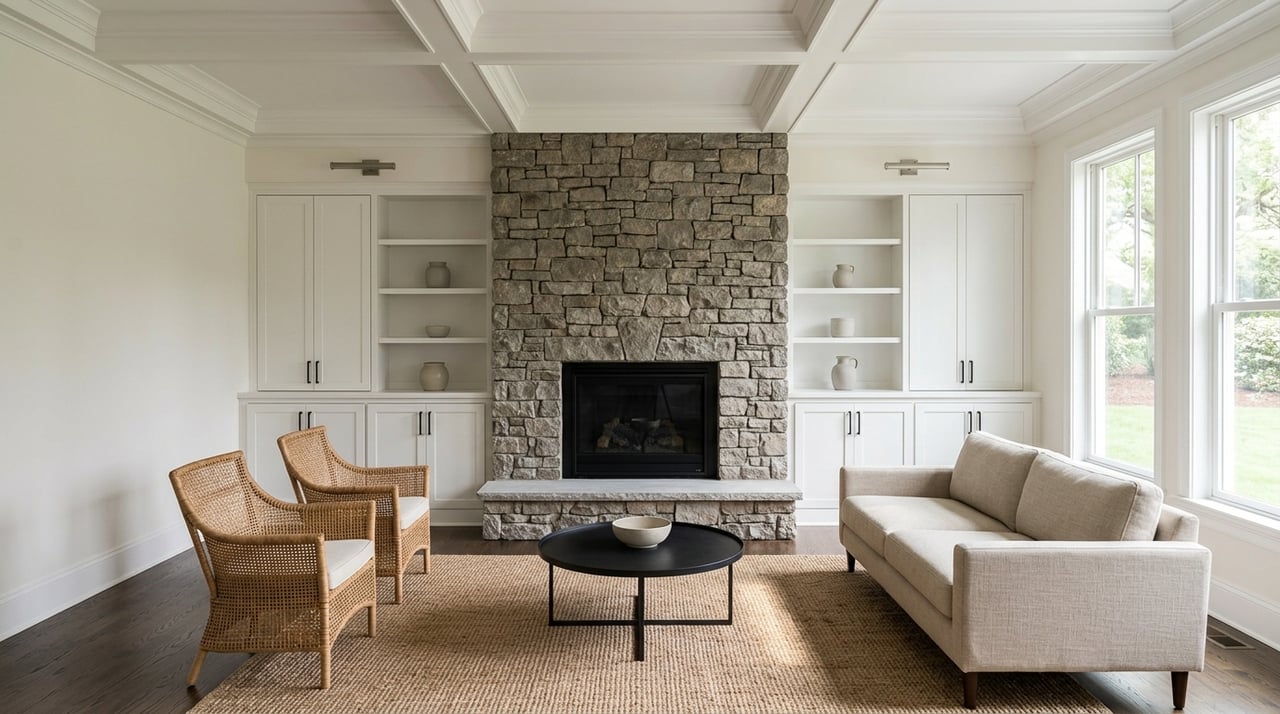
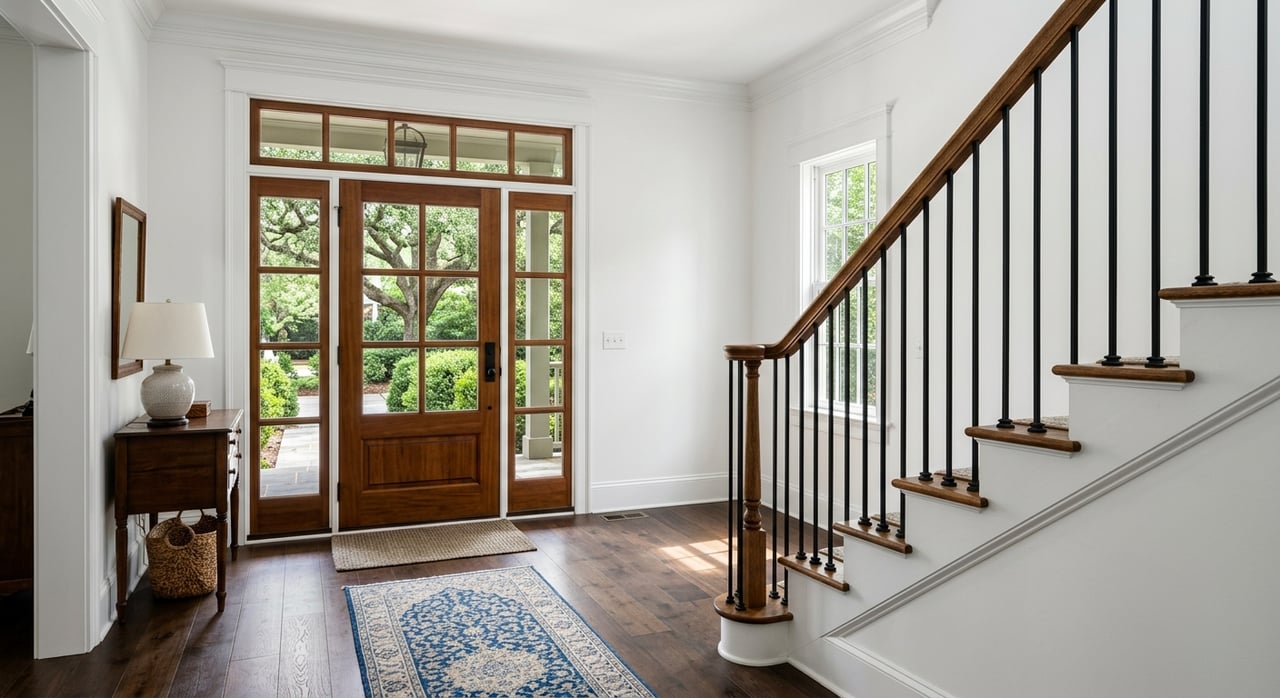
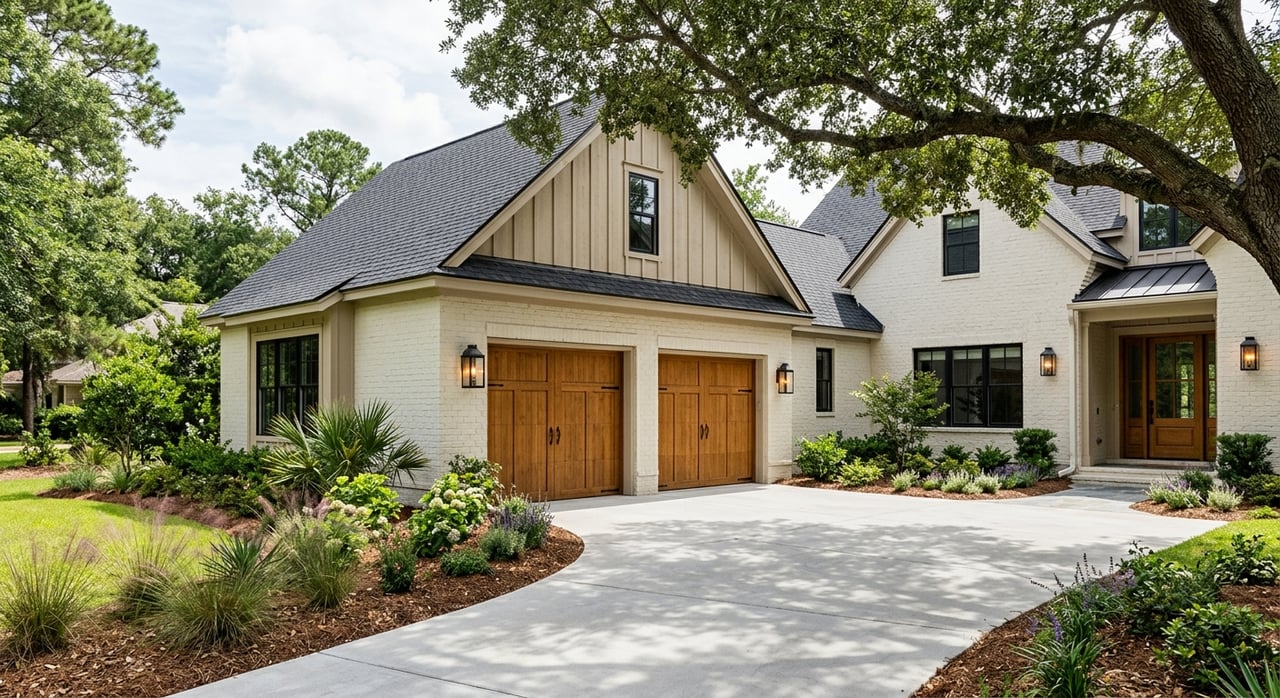
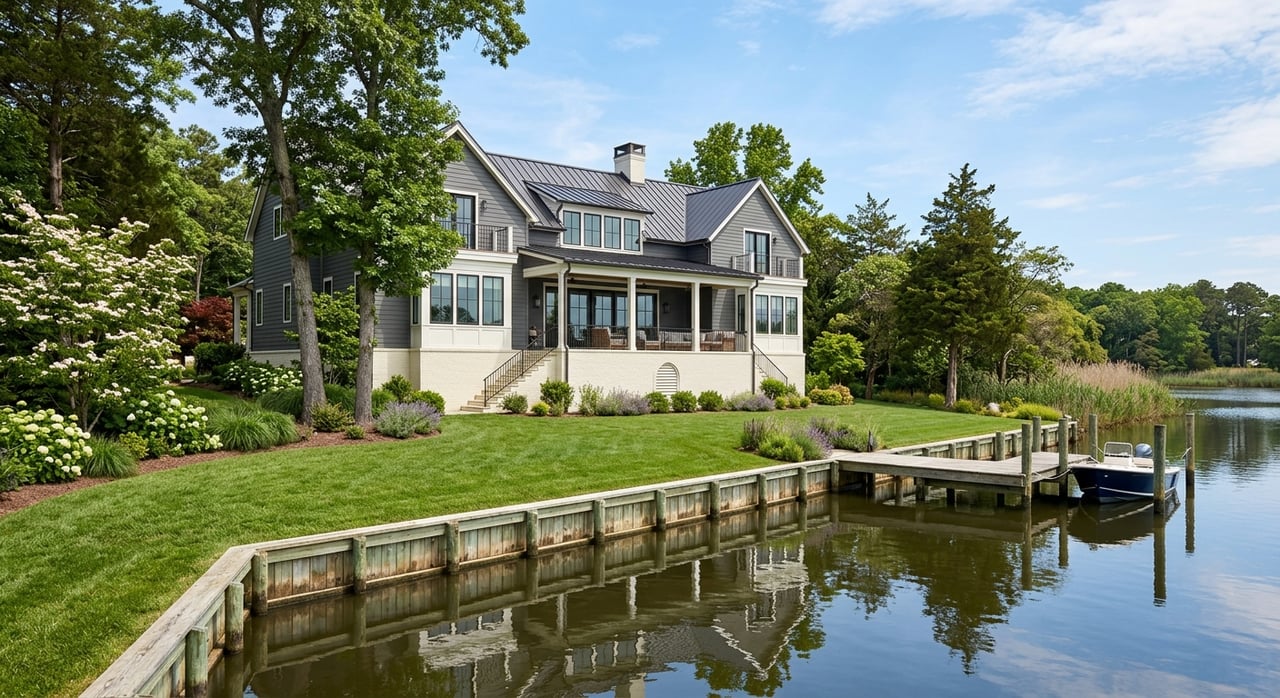
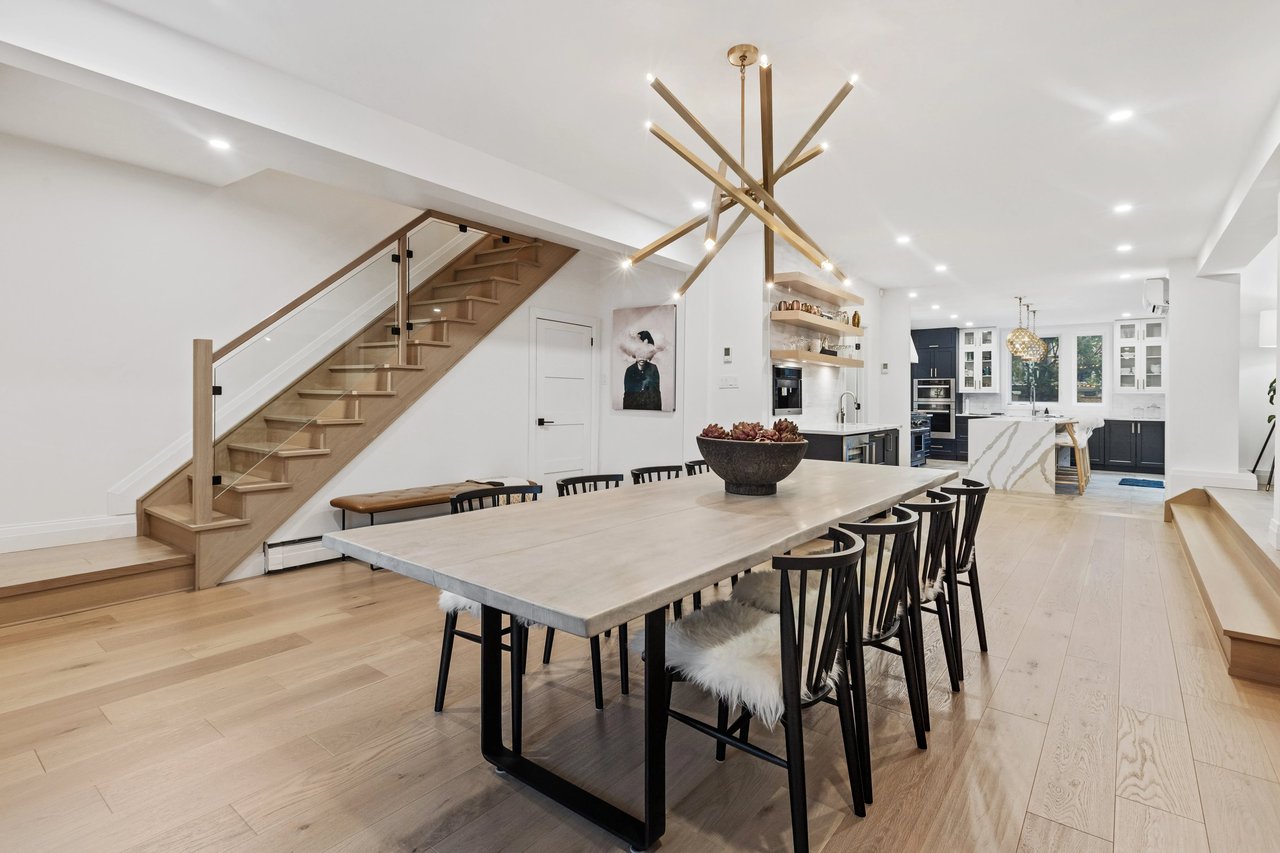
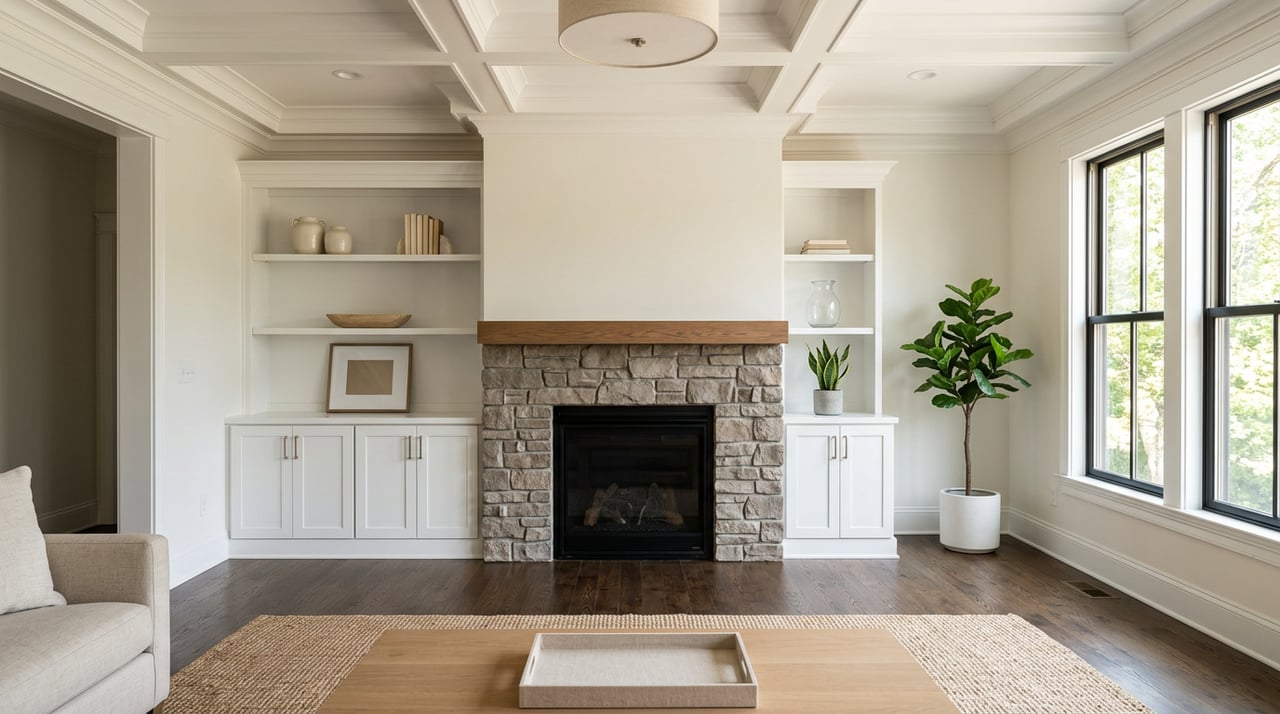
Price sets expectations, and presentation delivers on them. Staging, media, and a launch-ready marketing plan increase engagement and help you hold the line on price. The National Association of REALTORS’ 2025 staging profile reported that many agents saw staging lift offers by 1 to 10 percent and reduce time on market. That range depends on price tier and execution, but the signal is strong: presentation matters.
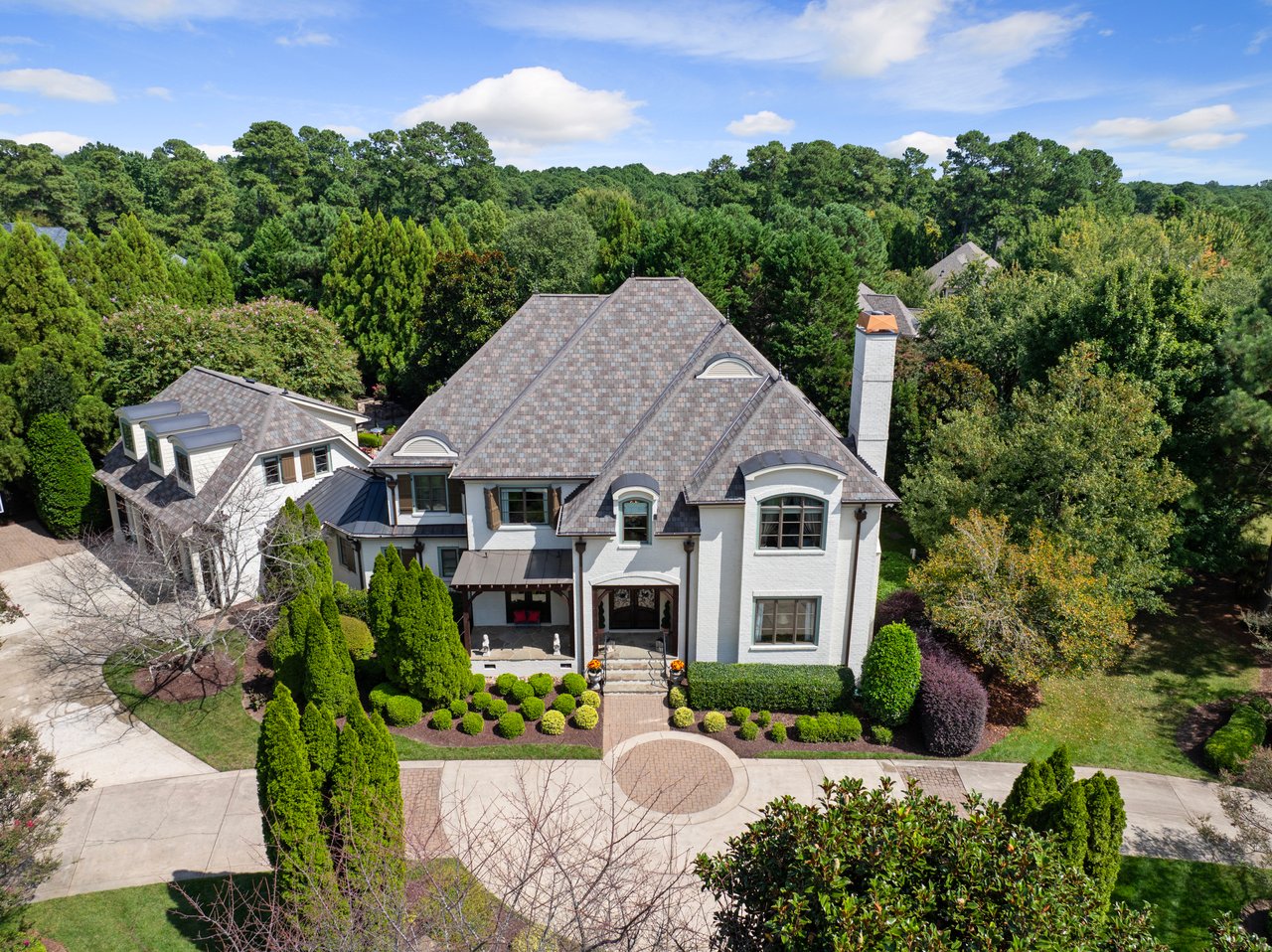
Professional photography and media also correlate with faster sales and modest price gains. Industry analyses, including a Redfin study, found that listings with pro photos earned more views and often sold faster. Every market is different, but investing in high-quality photos, video, and a 3D tour is a relatively low-cost way to protect your asking price.
The Angela Drum Team builds pricing power with luxury-capable marketing: professional photography, drone and video, 3D tours, floor plans, targeted online exposure, and national and international syndication. That level of presentation, paired with data-driven pricing, is how you create urgency and confidence at launch.
A launch plan that supports your price
A well-sequenced plan keeps your pricing leverage intact.
- Pre-listing prep, 2 to 6 weeks before launch
- Request a written CMA with closed comps, active and pending context, DOM and reduction history for each comp, and a clear recommended range. Ask your agent to explain every adjustment.
- Complete North Carolina disclosure forms. The Residential Property and Owners’ Association Disclosure Statement (RPOADS) and the Mineral and Oil and Gas Rights Disclosure must be delivered no later than when a buyer makes an offer. You may answer based on actual knowledge or choose “no representation” where allowed, but brokers must disclose material facts they know. Late or missing disclosures can give a buyer a short cancellation right. Review current guidance from the North Carolina Real Estate Commission.
- Knock out a punch-list of repairs, declutter, and stage key rooms. Write strong listing copy. Schedule media days for photos, video, floor plan, and a 3D tour.
- Launch and first 2 to 3 weeks
- Enter the MLS with full media. Deploy targeted online ads to feeder audiences. Invite agent networks and schedule open houses where appropriate.
- Track showings per day, online views, and saves. Compare to neighborhood norms and to your agent’s launch benchmarks.
- If activity is below expectations after 10 to 21 days, discuss a calibrated price move rather than waiting months.
- Other smart moves
- Consider a pre-listing inspection if buyers may have condition questions. It helps you address issues early and avoid late renegotiation.
- Document upgrades with receipts and dates. Appraisers rely on closed comps, so clear documentation helps your agent justify thoughtful adjustments.
- Stay realistic about appraisal risk when listing above the support of recent closed sales. Financed buyers must contend with appraisals that do not consider asking prices as proof of value.
Raleigh seller pricing checklist
Use this quick-reference list to keep your strategy tight.
- Before you list
- Get a CMA with 3 to 6 recent closed comps and active/pending context.
- Confirm your pricing posture: aggressive, market-target, or aspirational.
- Complete NC disclosures and gather upgrade documentation.
- Stage key rooms and schedule professional media.
- At launch
- Go live with full photo set, video, 3D tour, and clear copy.
- Activate targeted ads and broker outreach.
- Track showings, online views, and saves daily during week one.
- By day 10 to 21
- Compare your traffic to local DOM expectations.
- Review feedback themes on price and condition.
- Decide on one action: improve presentation, widen marketing, or reduce price.
- If activity is low
- Tighten presentation with micro-staging or fresh lead photo.
- Expand reach with refreshed ads and new audience targeting.
- Make a calibrated price adjustment to re-enter buyer search brackets.
Your next step
Confidence comes from clarity. When you know your CMA range, understand market velocity, and launch with high-impact marketing, your price works for you. If you are getting ready to sell in Raleigh or anywhere in Wake County, request a tailored CMA, a clear pricing posture, and a launch plan built to capture demand.
Ready for a data-driven plan and premium marketing from a trusted local team? Request a complimentary market strategy and home valuation from the Angela Drum Team. Start here with Angela Drum.
FAQs
How does Raleigh’s sale-to-list ratio affect my list price?
- When the sale-to-list ratio trends near 100 percent, buyers are paying close to asking on average, so pricing near the middle of your CMA range often works. If it dips, plan for negotiation room or sharper pricing. Check a recent Raleigh snapshot for context and lean on a current CMA for your segment.
What is a CMA and how should my agent pick comps in Raleigh?
- A CMA uses 3 to 6 recent closed sales plus active and pending listings for context, with adjustments for size, beds and baths, condition, lot, and upgrades. The most similar and recent comps carry more weight. Learn more from this consumer guide to comparative market analysis.
How soon should I reduce price in Raleigh if I am not getting offers?
- Use the 10 to 21 day rule. If showings and saves lag behind neighborhood norms after the first 2 to 3 weeks, a calibrated reduction is often the fastest way to regain traction. Many listing resources recommend this early evaluation window.
Will staging and professional photos really impact my final price?
- Yes, they can help. NAR’s 2025 staging profile found many agents saw staging increase offer amounts by 1 to 10 percent and reduce time on market. A Redfin study also linked professional photography with more views and faster sales.
What North Carolina disclosures do I need to provide as a Raleigh seller?
- You must deliver the Residential Property and Owners’ Association Disclosure Statement and the Mineral and Oil and Gas Rights Disclosure no later than when a buyer makes an offer. You may choose “no representation” where allowed, but brokers must disclose material facts they know. Review current guidance from the North Carolina Real Estate Commission.
What happens if my home does not appraise at the contract price in Wake County?
- Appraisers use closed comparable sales and do not treat asking prices as proof of value. If the appraisal comes in low for a financed buyer, you may need to renegotiate, the buyer may add an appraisal gap payment, or the deal could cancel. Pricing within the support of recent comps helps reduce this risk.