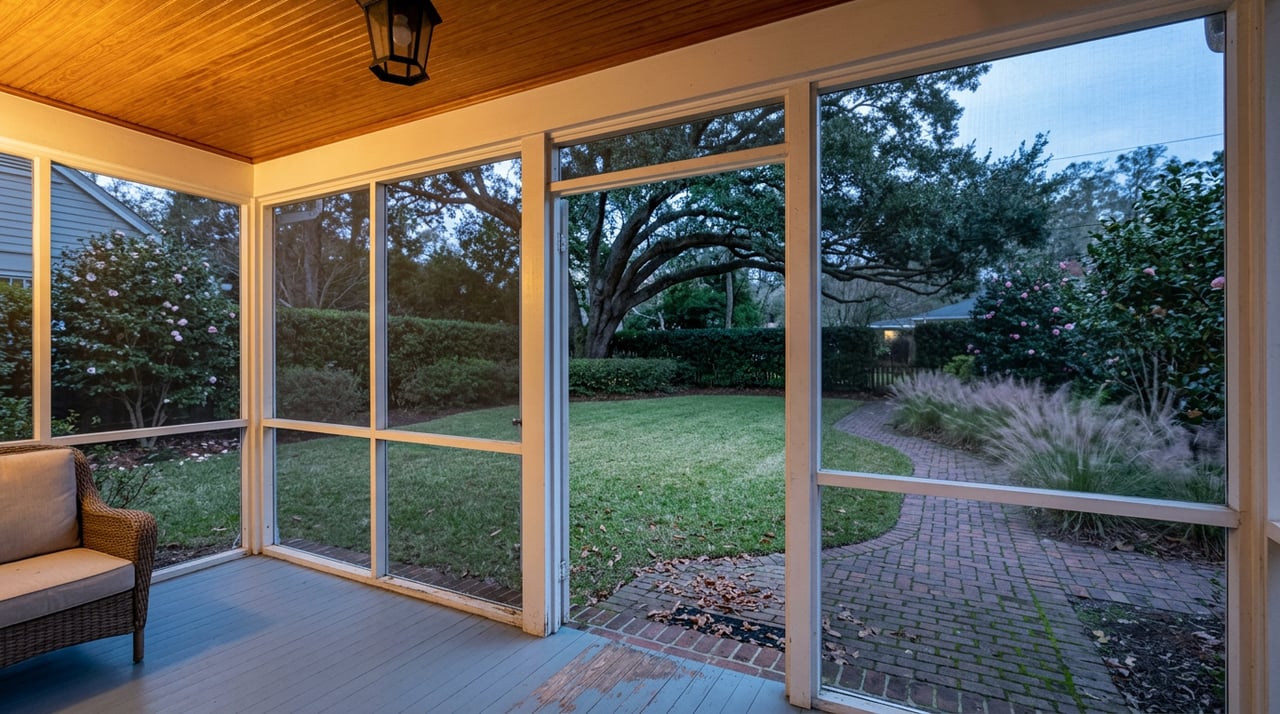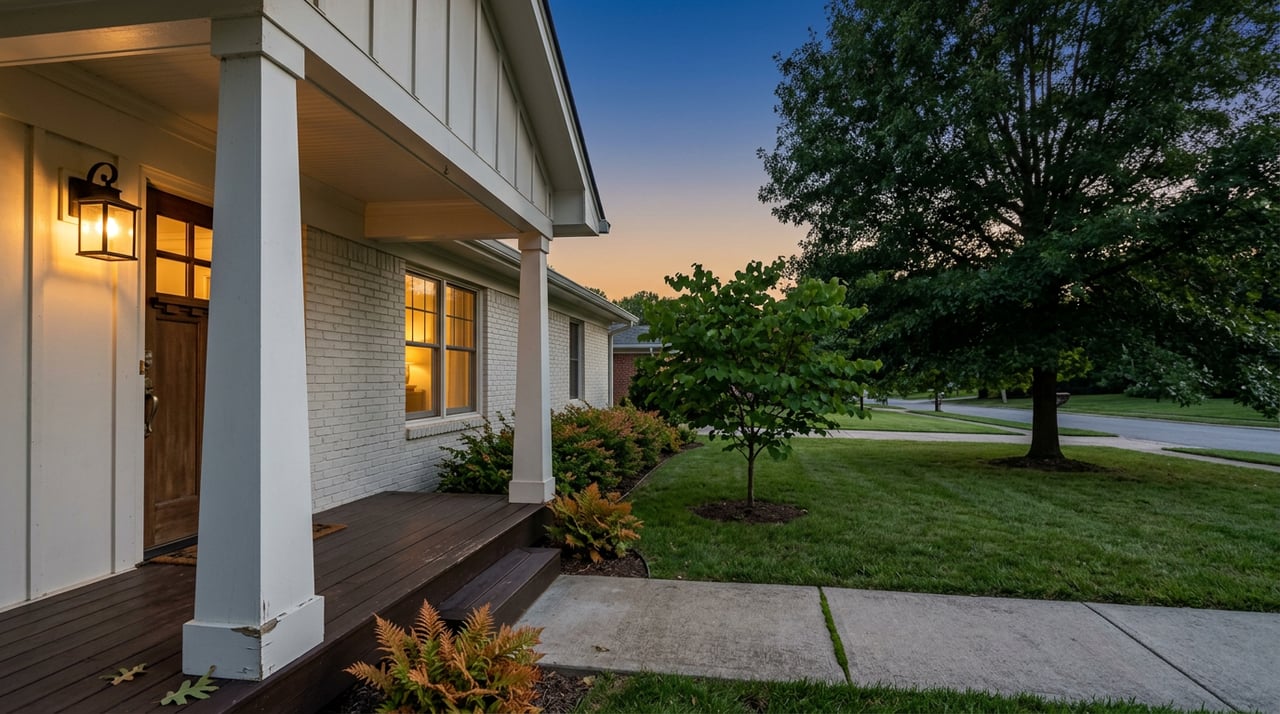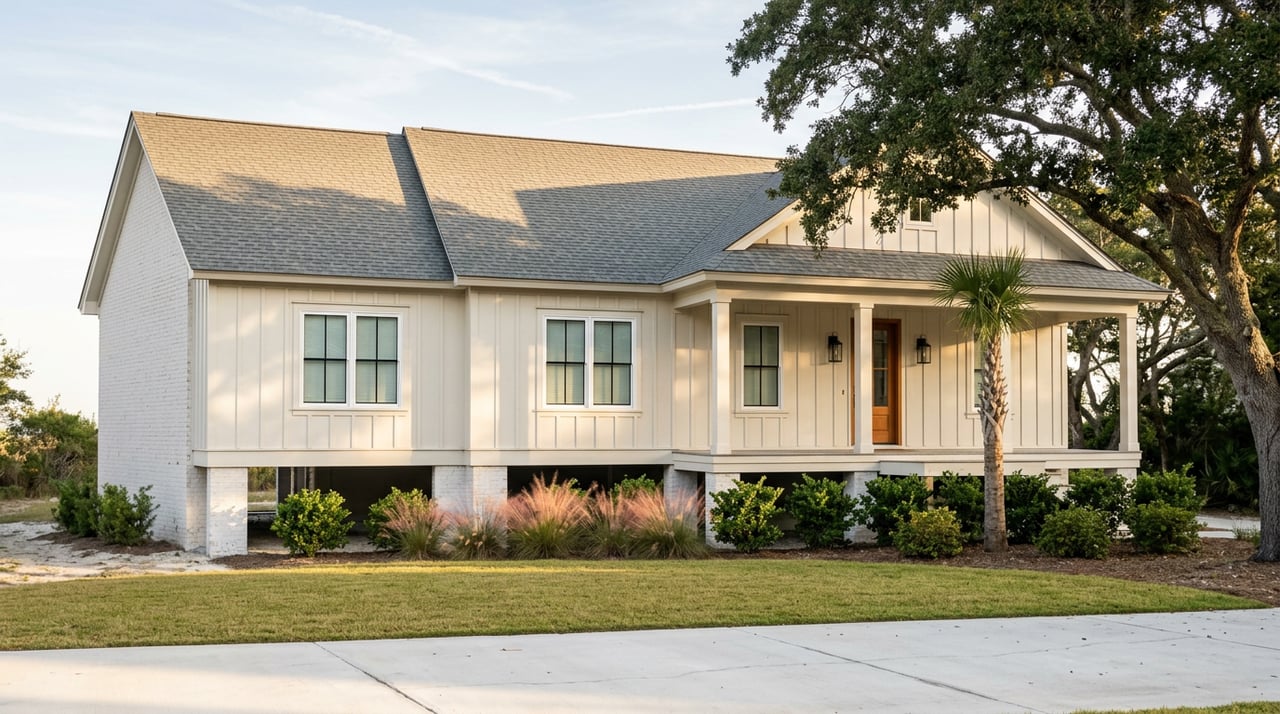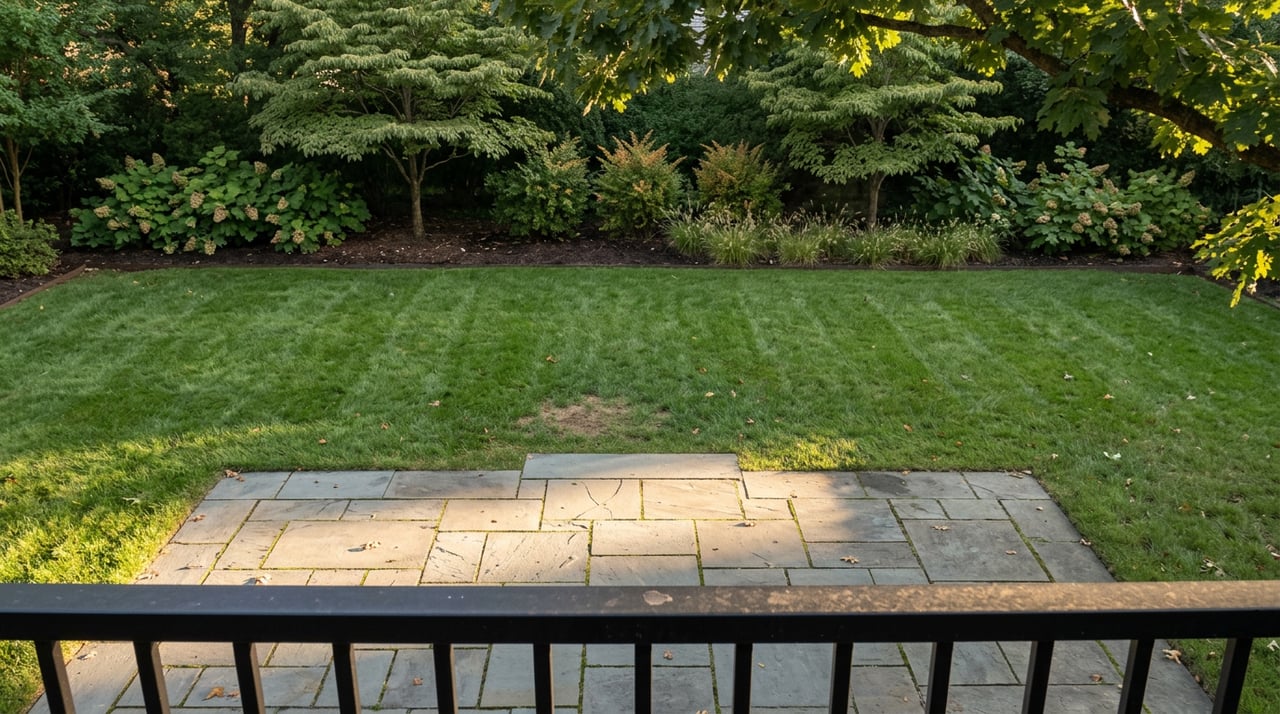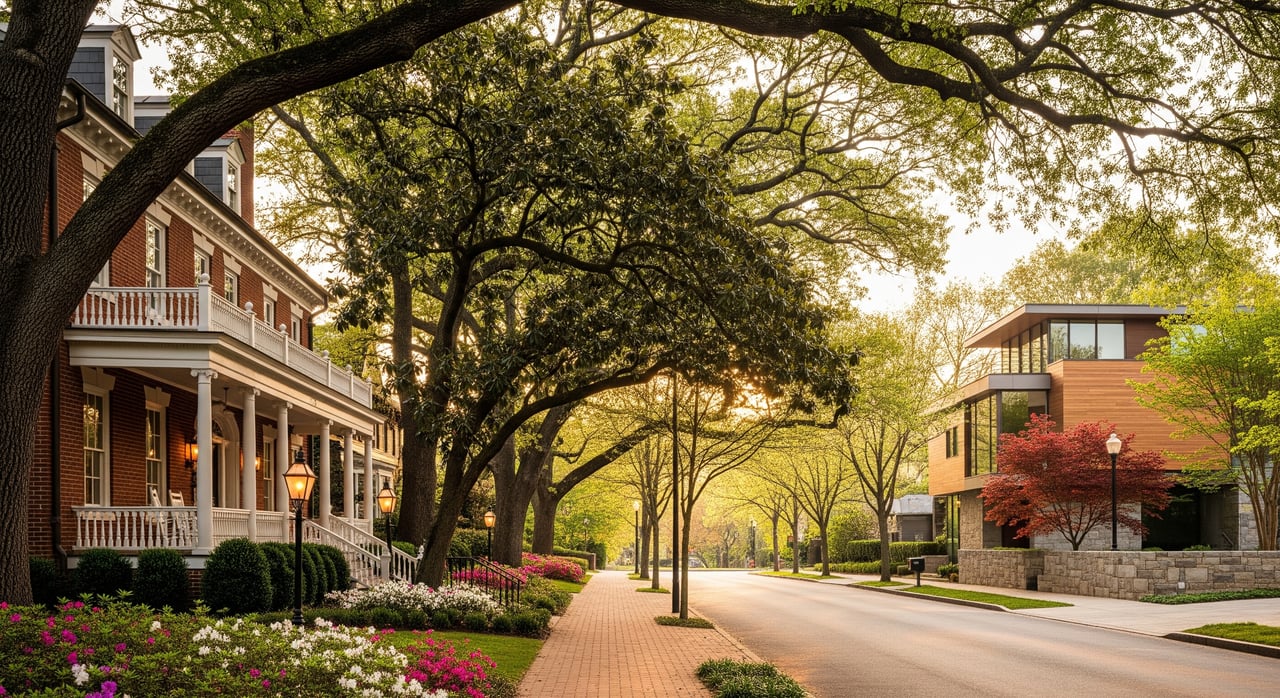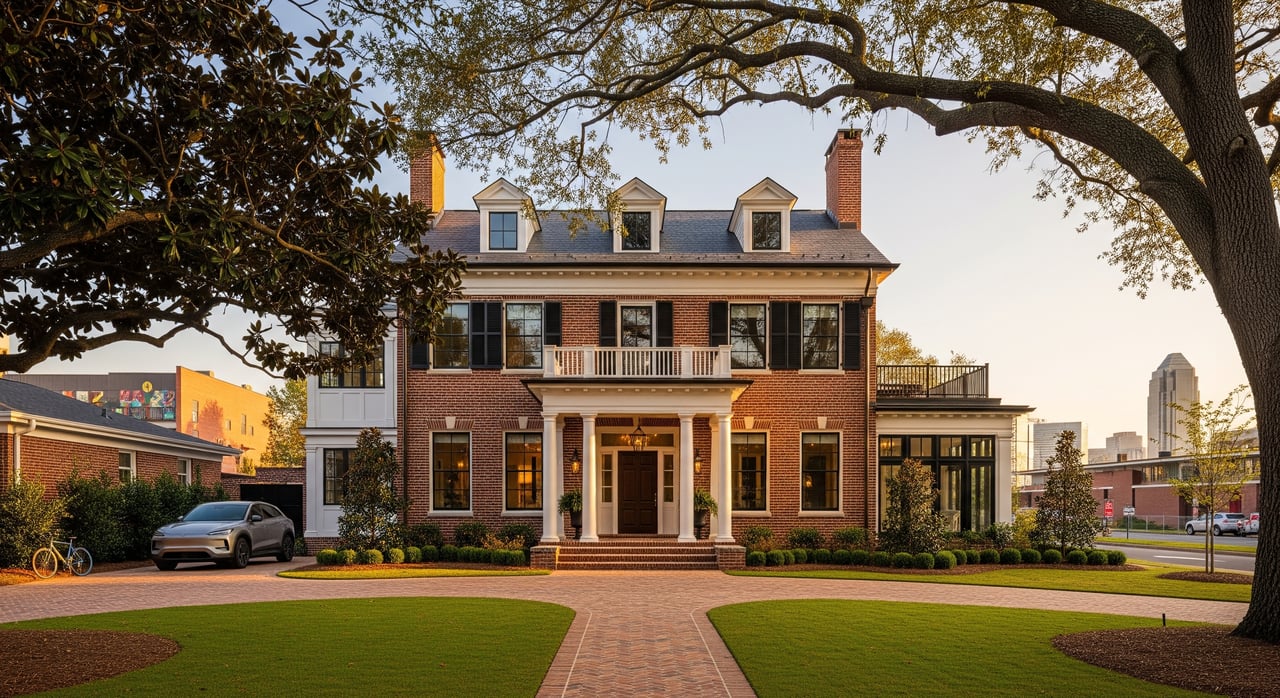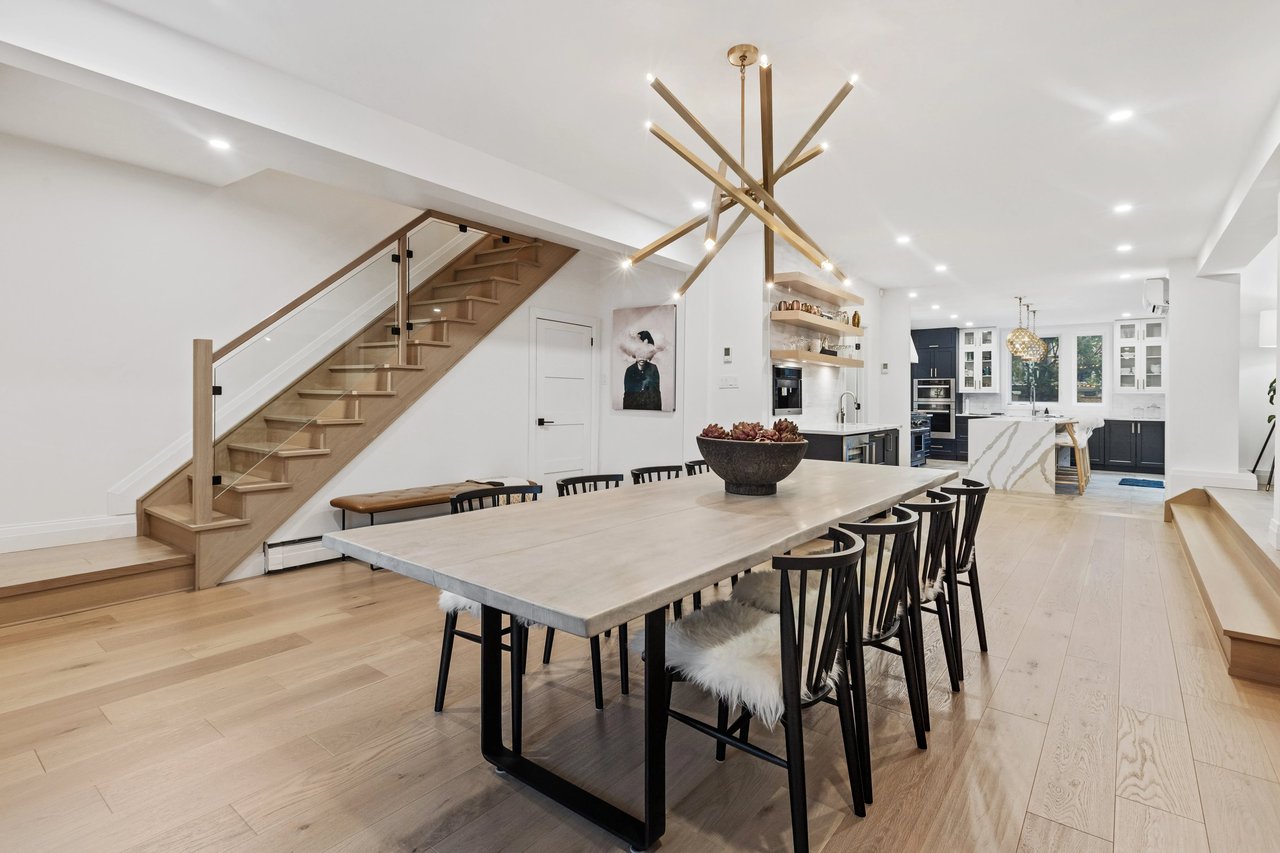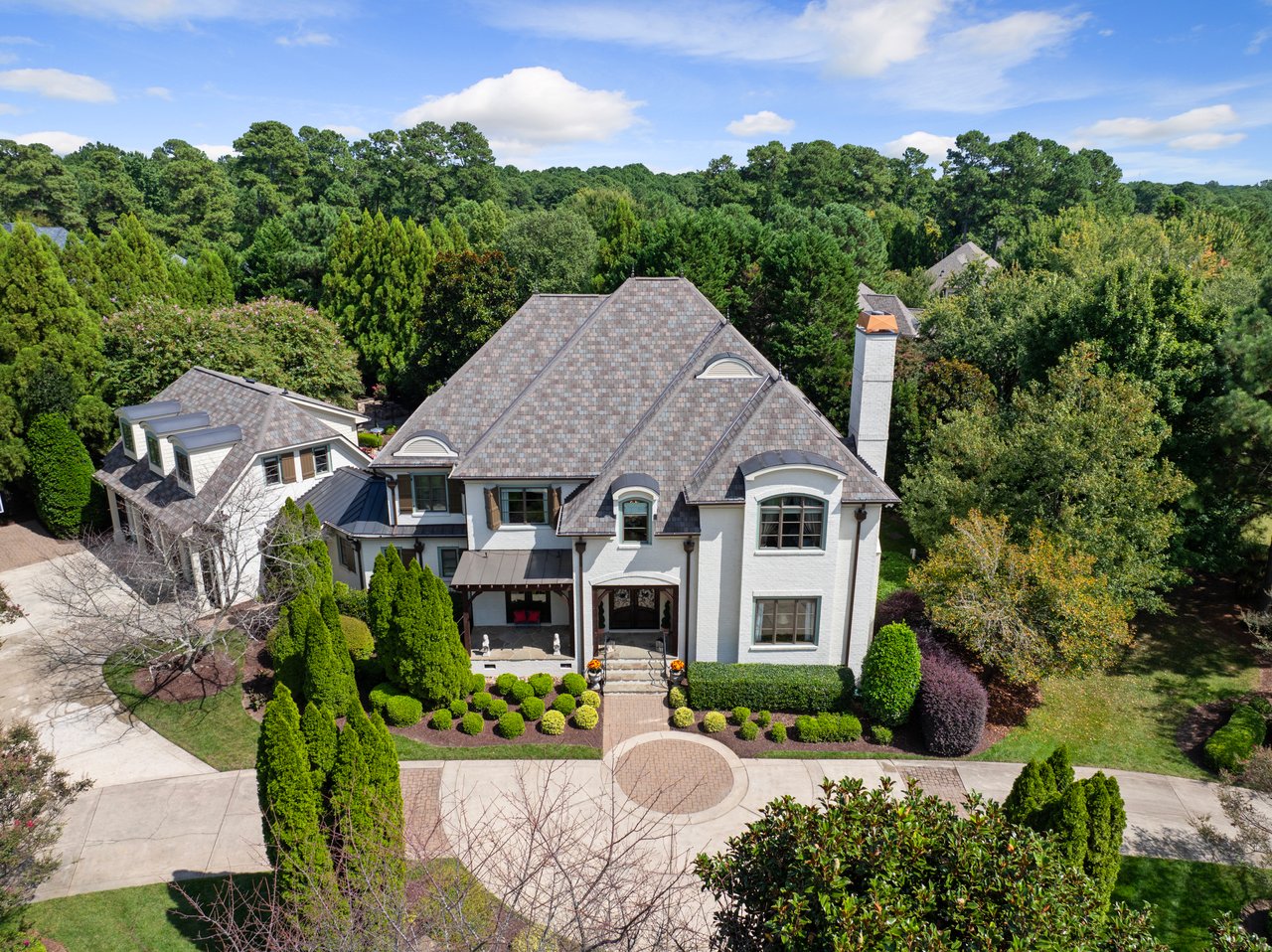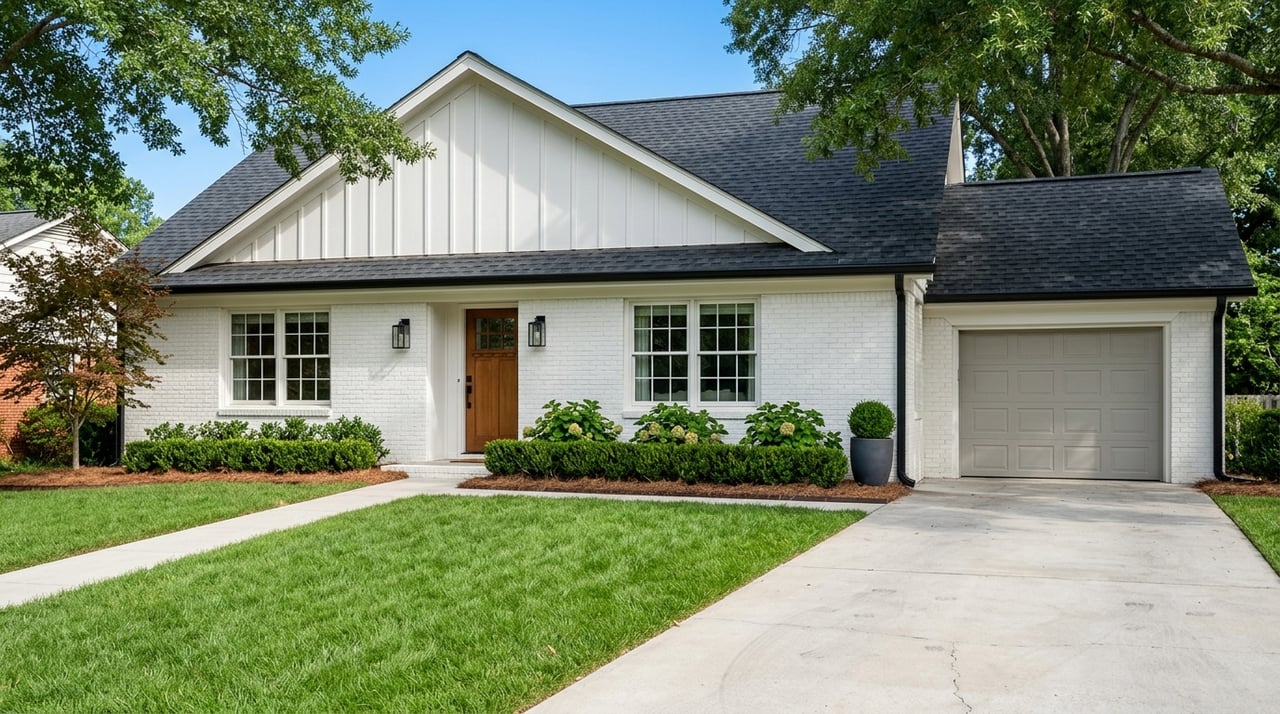
Thinking about buying in Raleigh? One of the biggest surprises for many buyers is how much the city’s homes can vary from one area to the next. In Raleigh, you can move from Victorian-era architecture to mid-century ranch homes to brand-new construction in just a short drive. If you want to understand what those differences can mean for style, upkeep, and day-to-day living, this guide will help you compare your options with more confidence. Let’s dive in.
Raleigh home styles at a glance
Raleigh’s housing stock reflects several chapters of the city’s growth. The city includes National Register historic districts, and some neighborhoods are also local Historic Overlay Districts, or HODs, including Oakwood, Boylan Heights, Glenwood-Brooklyn, Moore Square, Capitol Square, Blount Street, Oberlin Village, and Prince Hall.
That distinction matters. In Raleigh, a local HOD adds exterior design review, while National Register status is a separate designation with different rules and benefits. For you as a buyer, that means a home’s style is only part of the story. The neighborhood’s designation can also affect what exterior changes may require review.
Historic homes in Raleigh
Historic Raleigh homes often appeal to buyers who want original character, established streetscapes, and architecture with visible detail. These homes can range from Victorian-era houses to early-20th-century bungalows and revival styles.
In many of Raleigh’s historic areas, the neighborhood form is just as important as the house itself. Street patterns, porches, setbacks, sidewalks, alleys, lot sizes, and landscape features all help define the overall character that the city aims to preserve.
Oakwood architecture and feel
Oakwood is one of Raleigh’s most recognized historic neighborhoods. It includes a mix of one- and two-story buildings, rolling topography, and a wide range of architectural styles tied to both the Victorian period and the early 20th century.
If you are drawn to variety, Oakwood may stand out. Rather than one repeating look, you will often find homes with different forms, rooflines, and details that reflect multiple eras of development.
Boylan Heights home styles
Boylan Heights is known as an early planned suburb, and Craftsman bungalows are the dominant style. The neighborhood also includes transitional Queen Anne and Colonial Revival homes, Dutch Colonial houses, and Foursquare designs.
The district character includes front porches, curving streets, rear alleys, sidewalks, and mature shade trees. If you like older homes with a strong neighborhood pattern and pedestrian-friendly layout, this is one example of how Raleigh’s early neighborhoods still feel distinct today.
Glenwood-Brooklyn, Cameron Park, and Mordecai Place
Glenwood-Brooklyn developed as an early 20th-century streetcar suburb. Its housing includes Queen Anne, Colonial Revival, Craftsman, and transitional styles.
Cameron Park and Mordecai Place add even more variety. These areas include Colonial Revival, Craftsman, Tudor Revival, Dutch Colonial Revival, Georgian Revival, Spanish Mission Revival, Italian Renaissance Revival, and I-house examples.
For buyers, the main takeaway is simple: “historic” in Raleigh does not mean one single look. It can mean very different layouts, exterior materials, lot patterns, and renovation considerations depending on the neighborhood.
What historic district rules can mean
In Raleigh’s Historic Overlay Districts, exterior changes are reviewed in the context of the district’s built character. The city notes that ordinary maintenance or repair that does not change the design, materials, or outer appearance does not require a Certificate of Appropriateness, often called a COA.
Exterior alterations are different. If you are considering updates to windows, siding, porches, additions, or other visible exterior elements, it is important to understand whether the property is in a local overlay district and how that could affect future plans.
Mid-century and post-war homes in Raleigh
Not every buyer wants ornate trim or a century-old floor plan. Raleigh also offers a strong selection of mid-century and post-war homes, which often appeal to buyers looking for simpler lines, broader lots, and practical living spaces.
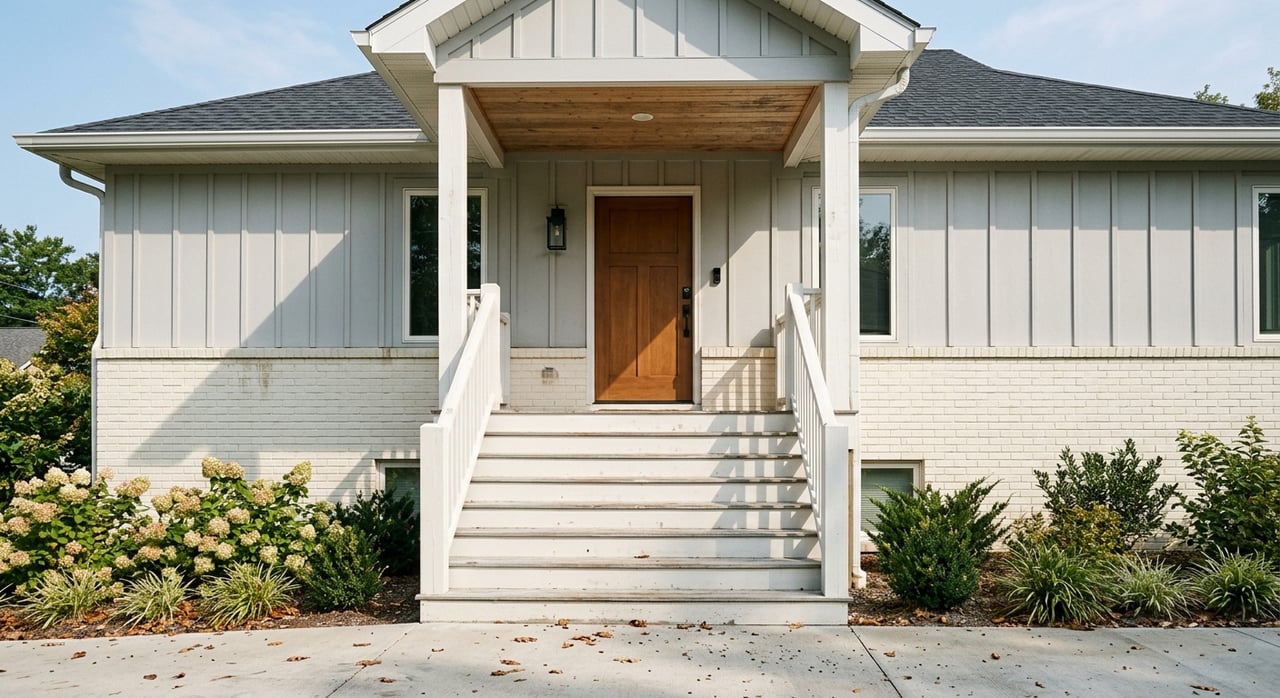
These homes usually have a different design language than earlier historic homes. You may see lower rooflines, wider footprints, attached carports or garages, and layouts shaped by post-war suburban planning.
Cameron Village ranch homes
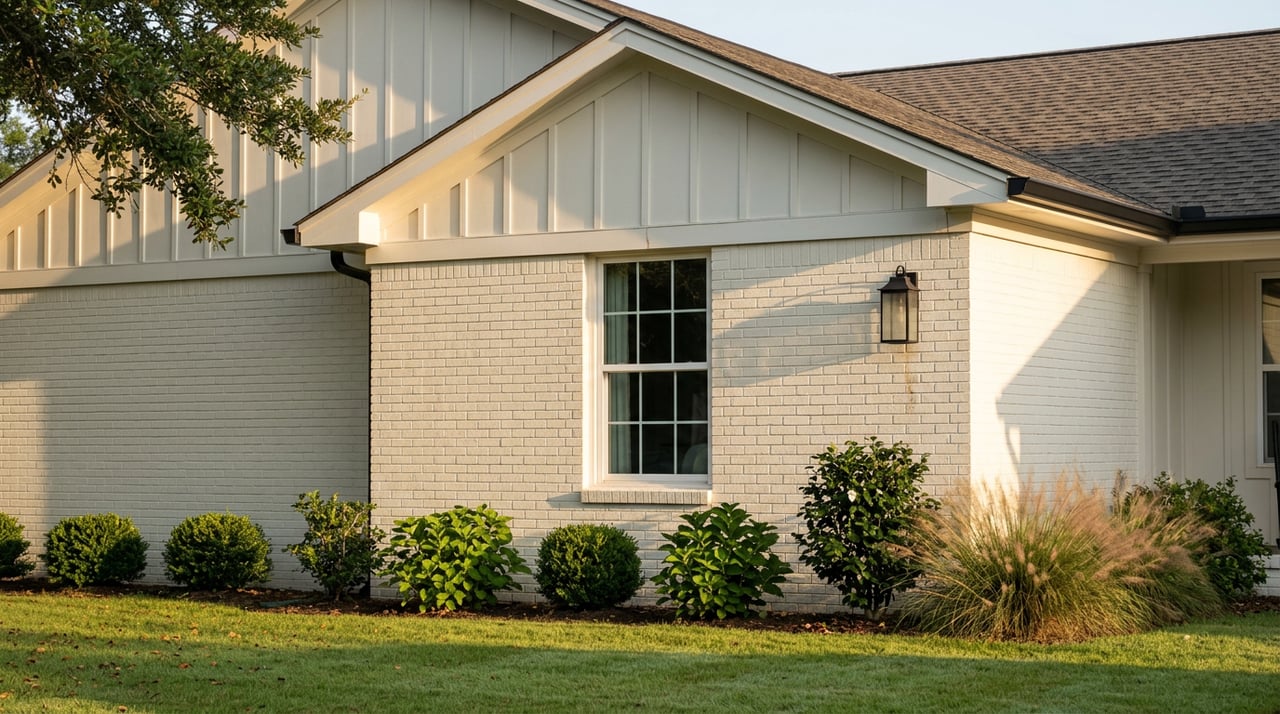
Cameron Village is a post-World War II neighborhood where the majority of homes are Ranch style. Common features include red-brick foundations, hipped or side-gabled roofs, wide overhangs, and prominent chimneys.
The neighborhood is also significant as North Carolina’s first planned mixed-use development and first curvilinear subdivision. Homes were planned near retail and other uses, and residences typically sit back from wide curving streets with deep front lawns and relatively few sidewalks.
Longview Gardens styles
Longview Gardens is Raleigh’s largest mid-20th-century custom residential subdivision. Earlier homes include Colonial and Tudor Revival styles, while later phases shifted toward Ranch and Split-Level houses.
The ranch homes make up about two-thirds of the housing stock. These homes typically feature low, wide massing, side-gabled or hipped roofs, wide eaves, and interior chimneys.
What to watch with aging systems
Mid-century and post-war homes may look simpler from the outside, but they still need careful evaluation as they age. Roofs, siding, windows, chimneys, insulation, and mechanical systems all deserve attention.
NC State Extension notes that small problems are easier and less expensive to correct early. If you are comparing an older ranch to a new-build home, upkeep expectations should be part of the conversation, not just square footage or finishes.
New-build and infill homes in Raleigh
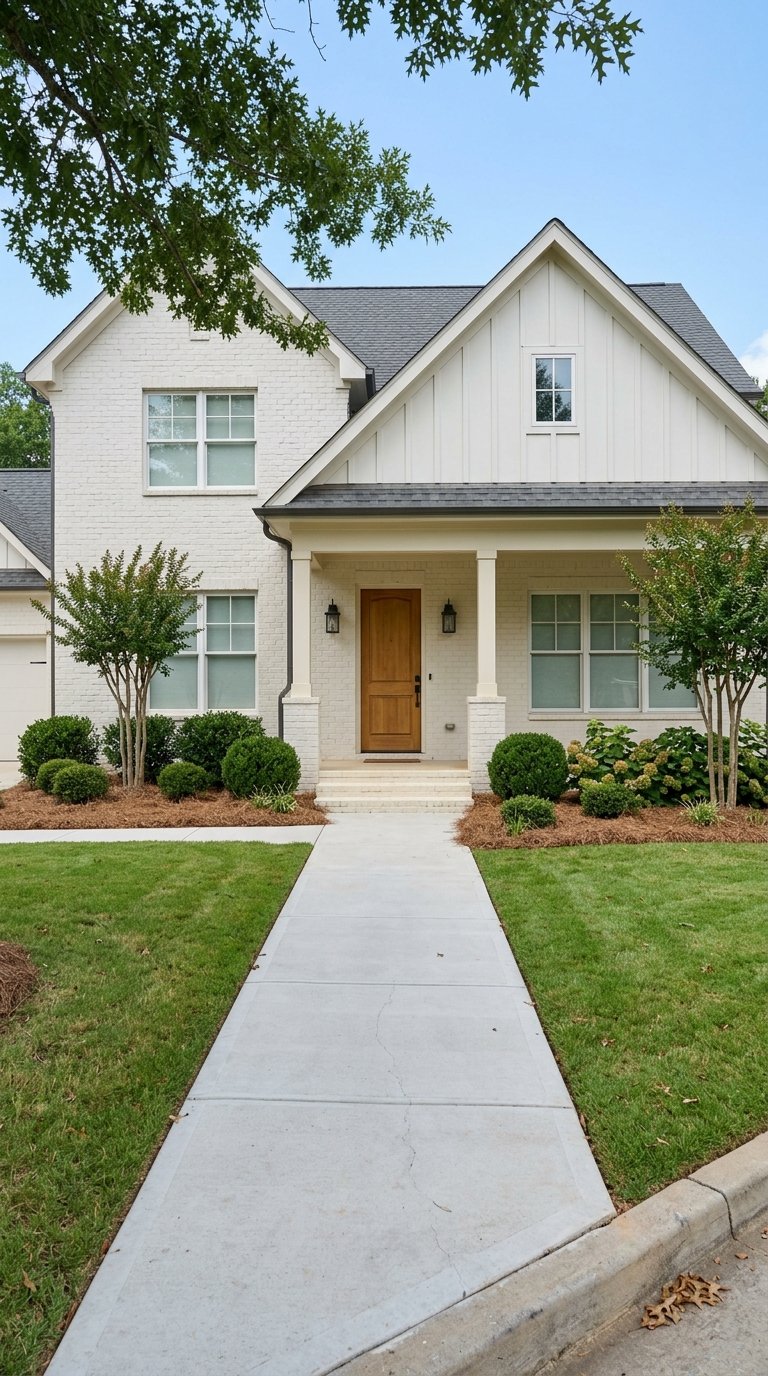
If you prefer modern layouts, newer materials, and the chance to avoid some immediate renovation work, new construction may be a strong fit. Raleigh’s new-build and infill market continues to attract buyers who want updated floor plans and energy-conscious design.
Still, new construction is not the same as a blank slate. The city’s residential infill rules are intended to encourage development that is compatible with existing neighborhoods and that reinforces established character while reducing impacts on nearby homes.
How infill development is reviewed
Raleigh’s subdivision review process looks at lot layout, roads, utilities, stormwater control, and tree conservation. New single-family and duplex projects must comply with both the Raleigh development code and the North Carolina state building code.
For you, that means a new home should still be evaluated in context. Lot grading, drainage, surrounding development pattern, exterior materials, and any overlay or review conditions can all matter over time.
Why efficiency still matters
New homes can offer advantages in energy efficiency and performance. ENERGY STAR states that certified new homes are designed and built better from the ground up, and the U.S. Department of Energy notes that efficient new homes are third-party verified for energy savings, comfort, health, and durability.
The Department of Energy also notes that insulation is more cost-effective to add during construction than as a later retrofit. Even so, not all new homes are built to the same efficiency level, so it helps to ask what standards or certifications apply.
New homes still need maintenance
A newer home may reduce some near-term repair risk, but it does not eliminate maintenance. Drainage, grading, exterior materials, and seasonal upkeep still matter from day one.
That is especially important in Raleigh’s climate. According to NOAA normals for Raleigh-Durham International Airport, the area averages 46.07 inches of annual precipitation, with rainfall peaking in July, August, and September.
How Raleigh’s climate affects every home style
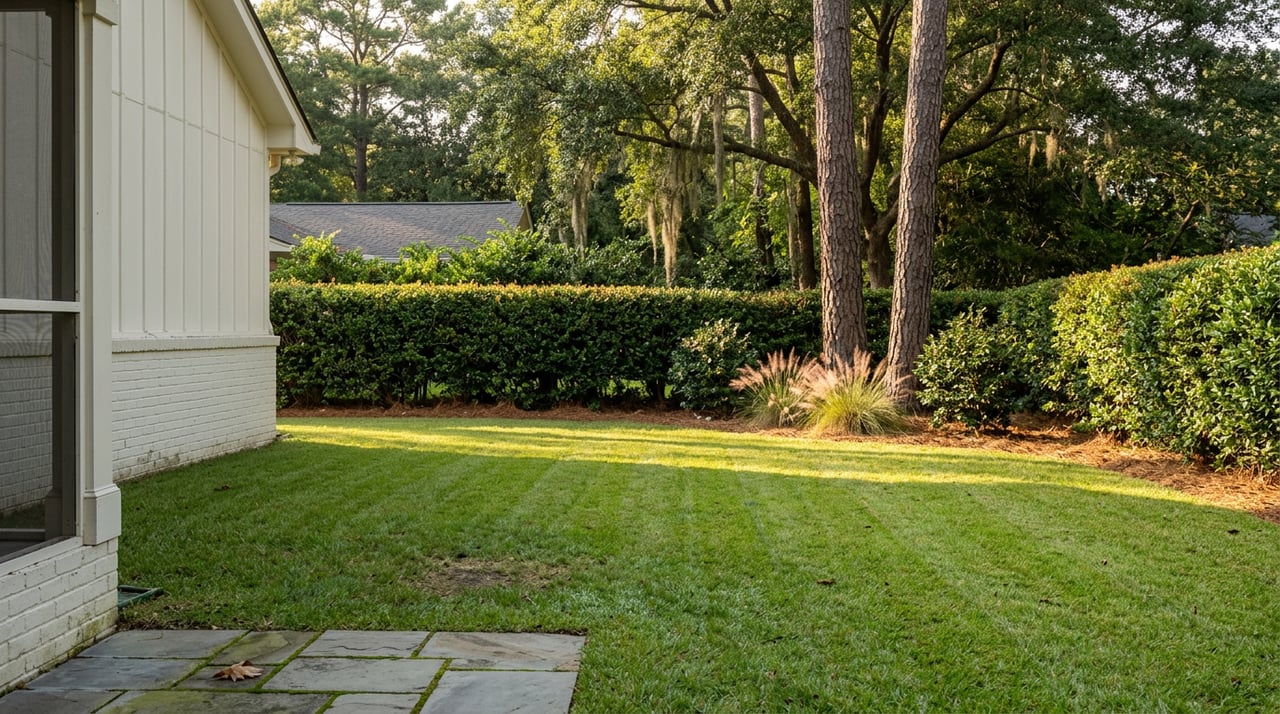
No matter which home style you prefer, water management should be high on your list in Raleigh. Regular rainfall, humidity, and seasonal storms can affect both older and newer homes.
NC State Extension notes that excess moisture can come from leaks, flood water, high humidity, clogged gutters, roof or window leaks, and poor drainage around the foundation. It also recommends keeping indoor humidity below 60%, ideally between 30% and 50%, to help reduce mold risk.
Moisture and drainage checklist
When you tour homes in Raleigh, pay close attention to:
- Gutters and downspouts
- Grading around the foundation
- Roof flashing and roof condition
- Window and door caulking
- Signs of plumbing leaks
- Crawl-space conditions and vapor barriers
- Areas where water may collect after rain
These issues matter in a historic bungalow, a 1960s ranch, or a newly built infill home. The style may change, but moisture management remains a priority.
Budgeting for maintenance by home type
Home style often shapes your maintenance rhythm. A historic home may have more original materials or detail work to preserve, while a mid-century home may need updates to aging systems. A new-build home may start with fewer repair items, but it still requires regular care.
NC State Extension recommends budgeting about 1% to 3% of a home’s market value each year for maintenance and repairs. It also recommends inspecting your house at least every six months and paying regular attention to gutters, paint, HVAC service, roof flashing, caulking, windows, plumbing leaks, and foundation drainage.
Condo and townhome maintenance
If you are considering a condo or townhome in Raleigh, do not assume it is fully low-maintenance. Some responsibilities may be shared with the HOA, but not all of them.
Reviewing the association documents can help you understand what the HOA handles and what remains your responsibility. That step can be just as important as comparing monthly dues.
How to choose the right Raleigh home style
The best home style for you depends on more than curb appeal. It helps to think about how you want to live, how much maintenance you are comfortable with, and whether you may want to make exterior changes in the future.
A good starting point is to ask yourself a few practical questions.
Questions to ask before you buy
- Do you want original architectural detail or a more modern layout?
- Are you comfortable with the upkeep that can come with older materials and systems?
- Would you prefer a ranch or split-level design with simpler lines?
- Do you want the energy and finishes of a new-build home?
- Are you considering future exterior renovations that could be affected by local historic review?
- How important are lot shape, sidewalks, porches, garages, or walkability to your daily routine?
When you narrow your search this way, Raleigh’s variety starts to feel less overwhelming. You can focus on the homes that truly fit your lifestyle and long-term plans.
Raleigh gives you a rare mix of home styles, from Victorian-era landmarks and Craftsman bungalows to ranch homes, split-levels, infill properties, and current new construction. The right choice comes down to balancing character, maintenance, efficiency, and the way you want to live in the city. If you want expert guidance as you compare Raleigh neighborhoods and home styles, Angela Drum can help you build a smart, informed strategy.
FAQs
What kinds of historic home styles can you find in Raleigh?
- Raleigh historic neighborhoods include Victorian-era homes, Craftsman bungalows, Queen Anne, Colonial Revival, Dutch Colonial, Foursquare, Tudor Revival, Georgian Revival, Spanish Mission Revival, Italian Renaissance Revival, and other early residential styles.
What is the difference between a Raleigh Historic Overlay District and National Register status?
- In Raleigh, a local Historic Overlay District adds exterior design review, while National Register listing is a separate designation with different rules and benefits.
What are common features of mid-century homes in Raleigh?
- Many mid-century Raleigh homes, especially ranch houses, have low and wide massing, hipped or side-gabled roofs, wide eaves, prominent chimneys, and attached carports or garages.
What should you check when buying a new-build home in Raleigh?
- You should review drainage, grading, exterior materials, neighborhood context, and any applicable local overlay or development rules, even if the home is newly built.
How much should you budget for home maintenance in Raleigh?
- NC State Extension recommends budgeting about 1% to 3% of a home’s market value each year for maintenance and repairs.
Why does moisture matter when buying a home in Raleigh?
- Raleigh’s annual precipitation and seasonal humidity make drainage, gutters, roof condition, crawl spaces, and indoor humidity important factors for helping prevent costly repairs and mold risk.