If you have been dreaming about a place by the water, buying a second home in Wrightsville Beach can feel like the perfect next step. It is easy to picture weekends on the coast, more family time, and a home you can enjoy throughout the year. But in a barrier-island market like Wrightsville Beach, your decision also needs to account for flood risk, insurance, permits, taxes, and how you plan to use the property. This guide will help you think through the big issues before you buy so you can move forward with confidence. Let’s dive in.
Why Wrightsville Beach ownership is different
Wrightsville Beach offers a unique coastal lifestyle, but ownership here comes with factors you may not face in an inland market. According to the Town of Wrightsville Beach, the town has a 4-mile beach strand and 43 public access points. The same town guidance also states that all properties within the corporate limits are in a Special Flood Hazard Area.
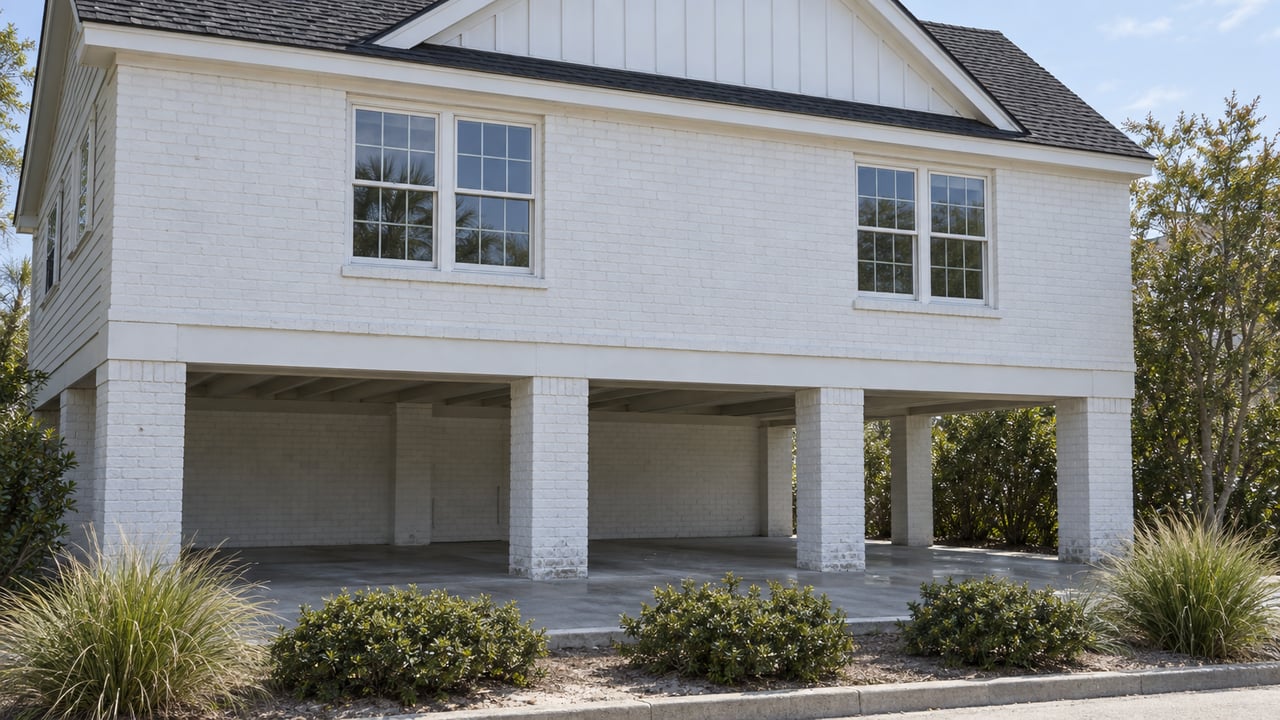
That matters because standard homeowners insurance does not cover flood damage. The town’s flood information explains that flood insurance is separate and that new policies typically have a 30-day waiting period before coverage begins. If you are timing a purchase, closing, or seasonal move, that waiting period should be part of your planning.
Define your second-home goal first
Before you start comparing properties, get clear on how you want to use the home. Some buyers want a true getaway they can enjoy personally throughout the year. Others want occasional personal use plus some rental flexibility.
That distinction can affect financing, taxes, and day-to-day ownership. It can also shape which homes make sense based on layout, parking, permitting, and long-term upkeep.
What counts as a second home?
For conventional financing, Fannie Mae’s occupancy rules define a second home as a one-unit property that you occupy for part of the year, that is suitable for year-round use, under your exclusive control, and not a timeshare or rental property. Fannie Mae also notes that a property may still be treated as a second home if rental income is identified, as long as that rental income is not used to qualify and the other second-home requirements are met.
In plain terms, occasional rental does not automatically disqualify a home from second-home treatment. Still, if you plan to rent the property frequently or structure ownership around income production, your lender may view it differently in practice. It is smart to confirm your intended use with your lender early so there are no surprises with pricing or underwriting.
Budget beyond the purchase price
The list price is only part of the financial picture. In Wrightsville Beach, you should build a budget that includes taxes, insurance, storm preparation, and ownership costs tied to being away from the property for part of the year.
Property taxes to include
New Hanover County’s FY2025-2026 adopted budget sets the county property tax rate at 30.6 cents per $100 of assessed value. The town’s public ACFR lists Wrightsville Beach’s 2024 operating property-tax rate at 9.23 cents per $100.
North Carolina also requires reassessment at least every eight years, and the town notes its last revaluation was 2021. That means your tax planning should leave room for future assessed-value changes, especially in a coastal market where price points can be high.
Flood insurance and storm planning
Flood insurance is not optional to ignore in Wrightsville Beach. The town’s flood page makes clear that all properties in town are in a flood hazard area, and flood coverage is separate from homeowners insurance. That alone makes insurance review one of the first steps, not the last.
You should also plan for storm-readiness costs and logistics. The town recommends reviewing evacuation routes, shelter options, and personal-property inventories in advance through its flood preparation guidance. If you live elsewhere most of the year, having a clear plan matters even more.
Know the permitting and remodeling rules
If you are buying with renovation plans, Wrightsville Beach requires extra diligence. The town’s Planning & Inspections Department states that all development within town limits must be authorized by the department. That includes zoning, building permits, flood requirements, CAMA minor permits, and code enforcement.
This is especially important if you are comparing homes based on future expansion potential. What looks possible at first glance may be limited by setbacks, flood requirements, or lot-specific rules.
Oceanfront lots can have added complexity
For oceanfront property between Masonboro Inlet and Heron Street, the town says the 1939 property line can affect the eastern boundary of the lot and the setbacks allowed for new construction. That means an oceanfront lot is not just a lifestyle choice. It may involve a different due-diligence process than an inland island lot.
If you are drawn to oceanfront ownership, it is wise to evaluate not only the home itself, but also what the lot allows over time. That can affect remodeling, rebuilding, and the long-term value of your investment.
Plan carefully if you want rental income
Many second-home buyers want flexibility to rent the property part-time. That can be appealing, but in Wrightsville Beach it should be treated as both a financial and compliance decision.
New Hanover County states that taxable accommodations in Wrightsville Beach are subject to a 6% room occupancy tax, with monthly reports due by the 20th day after the reporting month. If you plan to host short-term guests, that reporting requirement becomes part of your ownership routine.
Match your rental plan to your loan
Your rental strategy should align with how the home is financed. Fannie Mae’s second-home rules require borrower use for part of the year and specify that the property must remain under the borrower’s exclusive control. If your goal is primarily rental income, it is important to confirm whether the home will still qualify as a second home under your lender’s guidelines.
You should also think practically about whether the property supports both personal use and rental use. Layout, parking, flood elevation, and renovation limits can all affect how useful and manageable the home will be over time.
Prepare for time-away ownership
Owning a second home is different from owning your primary residence because there will be stretches when you are not there. In a coastal location, that raises the stakes on maintenance and readiness.
The town’s emergency preparedness guidance recommends regular smoke-detector battery changes. It also notes that the Wrightsville Beach Volunteer Firefighters Association offers free smoke detectors and fire extinguishers to residents and property owners, one per household. Small details like these can help you create a safer home base when you are in town and better peace of mind when you are away.
Parking and evacuation details matter
Parking and storm re-entry are part of the ownership experience in Wrightsville Beach. The town says property owners may buy up to two residential parking permits and vehicle tax decals for $50 each. Vehicle tax decals also serve as re-entry identification after a mandatory evacuation.
The town notes that decal sales stop when a hurricane warning is issued. That is a simple but important reminder to handle these items early rather than waiting until storm season is active.
Check utility setup early
Utility planning is another area where second-home buyers should be proactive. The town states that CFPUA assumed ownership and management of Wrightsville Beach’s water and sewer system in September 2025, while the town continues to bill trash and stormwater services.
If you will only be in Wrightsville Beach part of the year, confirm how each account is set up and billed as soon as possible. That can help you avoid missed notices, service confusion, or preventable issues after closing.
A smart second-home checklist
Before you make an offer, focus on the questions that matter most for this market:
- Will you use the property mainly for personal enjoyment, or do you expect regular rental activity?
- Does your financing plan match that intended use?
- Have you budgeted for county and town property taxes?
- Have you reviewed flood insurance timing and separate coverage needs?
- If you plan to renovate, have you checked permitting and setback considerations?
- If the home is oceanfront, have you evaluated any lot-boundary or setback limitations?
- If you may rent the home, are you prepared for occupancy-tax reporting requirements?
- Have you planned for parking permits, evacuation re-entry, and utility account setup?
Buy with a long-term strategy
Buying a second home in Wrightsville Beach can be incredibly rewarding when your plan fits the realities of coastal ownership. The right purchase is not just about the view or the address. It is about choosing a property that works for your personal use, financial goals, and comfort level with ongoing responsibilities.
With the right guidance, you can weigh lifestyle benefits alongside financing rules, flood considerations, local taxes, and future property constraints. If you are considering a second home in Wrightsville Beach and want experienced, high-touch guidance through the process, connect with Angela Drum for a personalized strategy.
FAQs
Can I rent out a second home in Wrightsville Beach occasionally?
- Yes, Fannie Mae says a property may still be treated as a second home if rental income is identified, as long as that income is not used to qualify and the other second-home requirements are met.
Do Wrightsville Beach homes require flood insurance?
- The town states that all properties within its corporate limits are in a Special Flood Hazard Area, and flood insurance is separate from standard homeowners coverage.
What property taxes apply to a second home in Wrightsville Beach?
- You should account for both New Hanover County property taxes at 30.6 cents per $100 of assessed value and the Town of Wrightsville Beach operating property-tax rate of 9.23 cents per $100 based on the sources in the research provided.
What taxes apply if I rent my Wrightsville Beach home short term?
- New Hanover County says taxable accommodations in Wrightsville Beach are subject to a 6% room occupancy tax, with monthly reports due by the 20th day after the reporting month.
Are oceanfront homes in Wrightsville Beach different from other lots?
- Yes, the town says that for certain oceanfront properties between Masonboro Inlet and Heron Street, the 1939 property line can affect lot boundaries and setbacks for new construction.
What should second-home owners know about utilities in Wrightsville Beach?
- The town says CFPUA manages water and sewer service, while the town continues billing for trash and stormwater, so it is important to verify account setup early after purchase.