Relocating to Raleigh and trying to choose the right neighborhood can feel like solving a puzzle with too many pieces. You want the best mix of commute, schools, housing style, and lifestyle without second-guessing the decision. This guide gives you a clear, step-by-step way to compare neighborhoods side by side using trusted local tools and data. You’ll learn how to map your commute, verify school assignments, weigh housing tradeoffs, and spot risks before you buy. Let’s dive in.
Start with your priorities
Step 0: Clarify non-negotiables
Before you compare areas, define what matters most. List your top needs, then nice-to-haves. Common priorities include:
- Commute time cap to your workplace
- Specific school programs or assignment certainty
- Preferred home type and yard size
- Maximum monthly housing expense, including HOA and taxes
- Desired walkability, parks, or nightlife access
Group candidate neighborhoods into A/B/C tiers by initial fit. You will refine the list with data in the next steps.
Step 1: Map your commute
Test your commute during peak hours using Google Maps, Apple Maps, or Waze. Create 15, 25, and 35 minute drive-time rings around your primary workplace and test reverse-commute patterns if you work in Research Triangle Park or Durham. For alternatives, review regional transit and park-and-ride options.
- Check local bus routes and schedules on GoRaleigh and GoTriangle
- Explore park-and-ride lots for hybrid commutes
- For regional travel, see Amtrak’s Raleigh Union Station
Note major corridors with congestion, such as I-40, I-440, and US 64/264, and run commute tests at the times you would actually travel.
Step 2: Check schools and programs
Raleigh addresses are primarily served by Wake County Public School System. Confirm your assigned schools and available programs for each address on your list.
- Verify assignments using the WCPSS Address Lookup
- Explore WCPSS magnet and choice programs
- Review objective metrics via the NC School Report Cards
- Add community perspective with GreatSchools
School boundaries and programs can change, so confirm assignments directly with WCPSS before you decide.
Step 3: Compare housing and costs
For each neighborhood, review recent comparable sales, current inventory, and days on market with a local agent who has Triangle MLS access. Factor in all ownership costs so your monthly number reflects the full picture.
- Include HOA or POA dues for condos and townhomes
- Confirm property taxes with Wake County Tax Administration
- If considering older homes, budget for updates to HVAC, electrical, and plumbing, and order thorough inspections
Step 4: Evaluate lifestyle and walkability
Match your daily routine to the neighborhood. Use Walk Score to gauge access to groceries, restaurants, and errands, and explore Raleigh’s park and greenway network.
- Check walkability with Walk Score for Raleigh
- Explore parks and greenways via City of Raleigh Parks and Greenway Trails
- Note access to Pullen Park, Dorothea Dix Park, William B. Umstead State Park, and the Neuse River Trail
Visit at different times of day to sense traffic, noise, and activity.
Step 5: Assess safety and future plans
Look at neighborhood-level data rather than broad averages. Review recent incidents and any planned changes that could shift traffic, character, or values.
- See incident trends on Raleigh Police crime data
- Review rezoning and major projects with City of Raleigh Planning & Development
- If the area includes a historic district, ask about exterior design or renovation restrictions
Step 6: Validate with visits and local experts
Tour during weekday mornings, evenings, and weekends. Attend open houses and schedule private showings to check parking, daylight, and street activity. Talk to neighbors and neighborhood associations. For property histories and permits, use the Wake County real estate search.
Commute patterns to know
Raleigh residents commute to several major employment centers. Downtown Raleigh hosts state and municipal jobs. The NC State University area, WakeMed campuses, and the I-40 corridor toward Research Triangle Park are frequent destinations. Many professionals also commute to Cary, Apex, and Durham, and some choose a reverse commute from central neighborhoods to RTP.
Peak traffic often builds on I-40, I-440, and US 64/264. You can blend driving with transit where routes make sense, including GoRaleigh for local service and GoTriangle for regional routes and park-and-ride lots. For a data baseline on commute trends, consult the American Community Survey.
Housing styles and tradeoffs
Raleigh offers a wide mix of home types. Your best fit depends on how you value character, yard space, commute, and maintenance.
Core Downtown, Glenwood South, Warehouse District
- High walkability with condos and apartments close to dining and culture
- Expect limited yard space and higher price per square foot
- Parking and a strong rental market shape the ownership experience
Historic inner neighborhoods: Five Points, Hayes Barton, Cameron Park, Mordecai
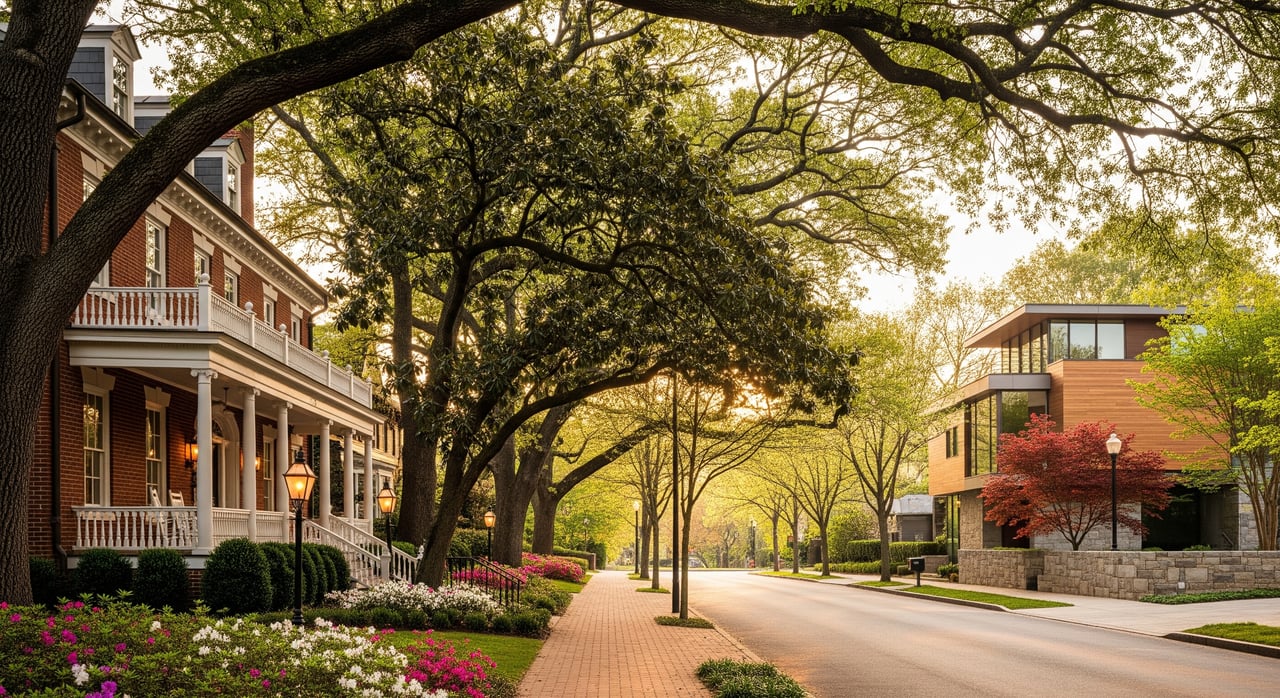
- Tree-lined streets, bungalows, and period homes with distinct character
- Close-in commutes and walkability to neighborhood shops and cafes
- Renovation needs are common, and historic rules may apply in designated districts
North Raleigh, North Hills, Crabtree, Brier Creek
- Mix of mid-century areas and newer subdivisions, plus major shopping hubs
- Townhomes and single-family options with access to I-540 and I-40
- Expect congestion on key corridors during peak times
South, Southeast, and East Raleigh
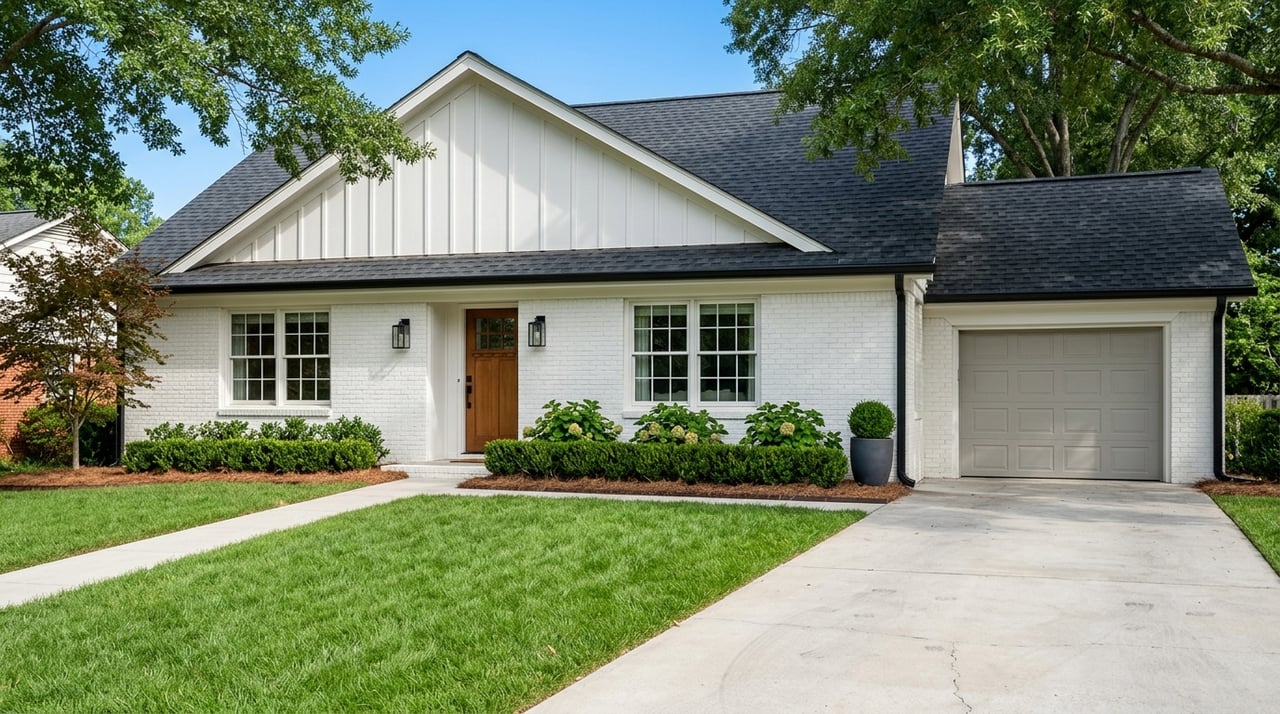
- A broad range of homes from older single-family to new infill
- Often more budget-friendly within city limits, with evolving commercial corridors
- Check block-by-block data and redevelopment plans
Suburban Wake County towns: Cary, Apex, Holly Springs, Morrisville, Garner
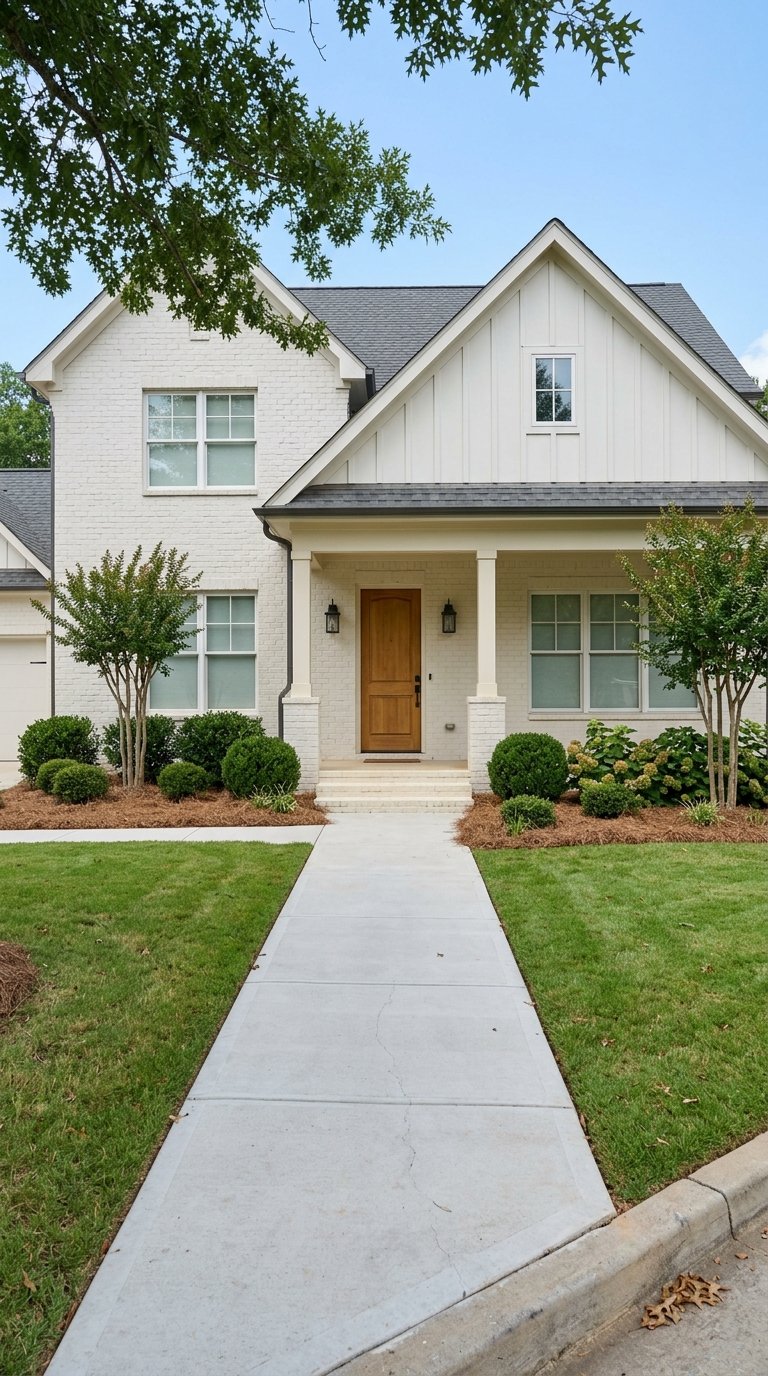
- Master-planned communities, single-family homes with larger lots, and commuter orientation
- Popular for those prioritizing schools, yard space, and a quieter pace
- Commute length varies by job location, especially for downtown Raleigh roles
RTP and I-40 corridor proximity
- Western Raleigh and nearby towns appeal to tech and biotech employees
- Shorter RTP commutes can trade for less direct downtown access
Budget, taxes, and ownership costs
Location, school assignment, proximity to downtown or RTP, and home type all influence price and resale dynamics. Confirm market conditions with a local agent who can provide Triangle MLS data for recent sales and inventory patterns. Build a comprehensive budget that includes principal and interest, insurance, property taxes, and HOA or POA dues.
- Research property taxes through Wake County Tax Administration
- Compare HOA fees and reserve health, especially for condos and townhomes
- Ask about municipal utilities and services that may affect monthly costs
Walkability, parks, and lifestyle anchors
Raleigh’s most walkable pockets include downtown, Glenwood South, parts of Five Points, and areas around Village District. Many suburban neighborhoods are car-oriented, so weigh your preference for a quiet street against easy access to dining, shopping, and parks.
- Plan weekend time in places like Pullen Park and Dorothea Dix Park
- Enjoy regional outdoors at William B. Umstead State Park
- Explore the citywide system on the Greenway Trails
- Use Walk Score to compare daily convenience across areas
Flood risk and home age checks
Floodplains and local drainage patterns can vary within a few blocks. Always check lot-level risk and plan for due diligence on older homes.
- Verify flood zones via the FEMA Flood Map Service Center
- Layer property details with Wake County GIS mapping
- Review permit and renovation history on the Wake County real estate search
Printable neighborhood scorecard
Use this scorecard to compare your top three neighborhoods. Print it or copy it into a spreadsheet, then score each row on a 1–5 scale.
| Factor | Neighborhood A | Neighborhood B | Neighborhood C |
|---|---|---|---|
| Commute to work (peak) | |||
| Transit options | |||
| School assignment certainty | |||
| School program fit | |||
| Typical home type and age | |||
| Lot size and outdoor space | |||
| Price range realism | |||
| HOA presence and fees | |||
| Walkability and errands | |||
| Dining, shopping, nightlife | |||
| Parks and greenways access | |||
| Flood and environmental risk | |||
| Planned development nearby | |||
| Overall feel and fit | |||
| Weighted total |
Suggested weights, adjust to your needs:
- Commute 25%, Schools 25% if you have children, Housing fit 20%, Budget 15%, Walkability and amenities 10%, Resale and risk 5%
Trusted local links and tools
Bookmark these for your research:
- WCPSS Address Lookup and WCPSS magnet programs
- NC School Report Cards and GreatSchools NC
- GoRaleigh routes and schedules, GoTriangle schedules and maps, and park-and-ride
- Amtrak Raleigh Union Station
- City of Raleigh Planning & Development
- Wake County GIS mapping and Tax Administration
- Raleigh Police crime data
- FEMA Flood Map Service Center
- Walk Score for Raleigh
- American Community Survey
- Research Triangle Regional Partnership
Your next steps
- Shortlist 3–5 neighborhoods based on commute and school fit
- Run peak-hour route tests and check transit options for each
- Pull school assignments, state report cards, and neighborhood-level insights
- Review recent comps and fine-tune your price targets with Triangle MLS data through a local agent
- Walk each neighborhood at different times and talk to neighbors
- Check flood maps, permits, HOA rules, and planned developments
If you want a streamlined, concierge-style relocation search with on-the-ground neighborhood insight and fast access to the right homes, connect with Angela Drum. We can help you compare options, line up tours, and move forward with confidence.
FAQs
How should I balance commute time and housing cost in Raleigh?
- Put a dollar value on your time, test real peak-hour routes, then use the scorecard to weigh commute at 25% and compare it to price savings further out.
How do I evaluate schools in Wake County when relocating?
- Confirm assignments with the WCPSS Address Lookup, review NC School Report Cards, and add context from GreatSchools.
Are older Raleigh neighborhoods a maintenance risk for buyers?
- They can be, so budget for updates, order thorough inspections, and check permit history on the Wake County real estate search.
How much do HOA fees affect affordability in Raleigh?
- Include HOA dues and possible assessments in your monthly total since they can impact mortgage qualification and overall budget.
How do I check future development that could change a neighborhood?
- Monitor rezoning and planned projects through City of Raleigh Planning & Development and attend neighborhood meetings to stay informed.