Thinking about selling your Wilmington home? In a market where buyers have more room to negotiate and homes may take longer to sell than many owners expect, your strategy matters more than ever. If you want to protect your price, avoid surprises, and make your home stand out, a little preparation can go a long way. Here’s what you should know before you list.
Understand Wilmington market conditions
Before you choose a price or timeline, it helps to know what the current market is doing. Recent data points show a more measured pace than many sellers saw during the hottest years of the market.
According to Cape Fear REALTORS® Wilmington MSA data, the broader metro area had 63 cumulative days on market and a median sales price of $434,250 in June 2025. In Wilmington city, Redfin reported a median sale price of $442,500 in February 2026, with homes selling after 76 days on market.
That slower pace matters when you plan your sale. The same Redfin market data and local reporting suggest you should be ready for negotiation, careful pricing, and a more patient listing period than a fast multiple-offer environment.
Price for today, not last year
One of the biggest mistakes sellers make is pricing from memory instead of current comparable sales. If your neighbor sold quickly at a premium last year, that does not automatically mean your home will do the same now.
Realtor.com market data summarized in the research report showed Wilmington homes selling for about 2.01% below asking on average, with a 98% sale-to-list ratio, and classified the city as a buyer’s market in February 2026. For you, that means an aspirational list price can cost valuable time and reduce momentum.
A smart pricing strategy should reflect your home’s condition, location, updates, and current competition. When pricing is aligned with recent comparable sales, you improve your chances of attracting serious buyers early, when your listing is freshest.
Timing still matters in Wilmington
Seasonality can influence your selling experience, especially in a coastal market. Wilmington is not just shaped by housing trends. It is also shaped by visitor traffic, beach access patterns, and the rhythm of the local tourism economy.
According to Visit North Carolina’s regional visitor profile, summer was the most popular season for overnight visitors to the coast, and coastal visitors stayed an average of 4.1 nights. New Hanover County’s 2024 visitor impact report also shows tourism is a major part of the local economy, with nearly $1.14 billion in domestic visitor spending.
If your home is near the beaches, those patterns may affect traffic, parking, and how easily buyers can tour both the home and surrounding area. The official tourism resources also note that fall tends to be less crowded, which may make shoulder-season showings easier for some sellers.
Is spring always best?
Spring is often a strong listing season nationally. NAR notes that housing activity commonly picks up seasonally, but Wilmington sellers should also think locally.
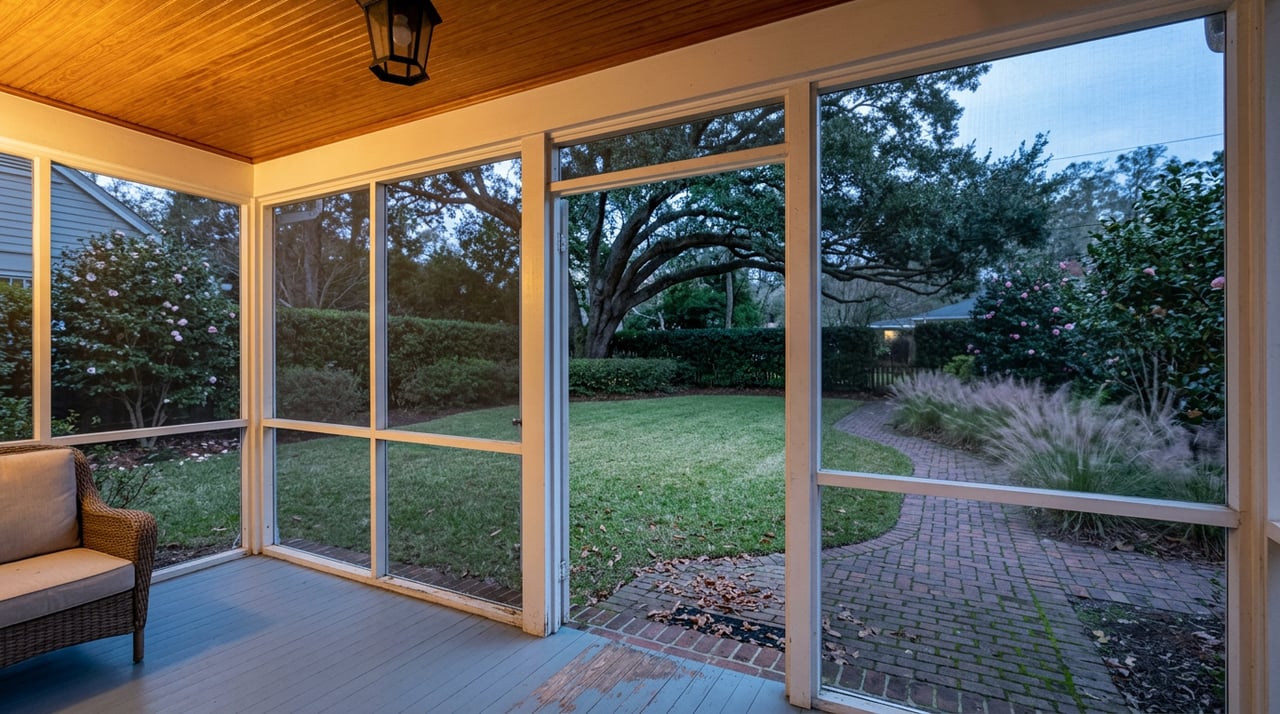
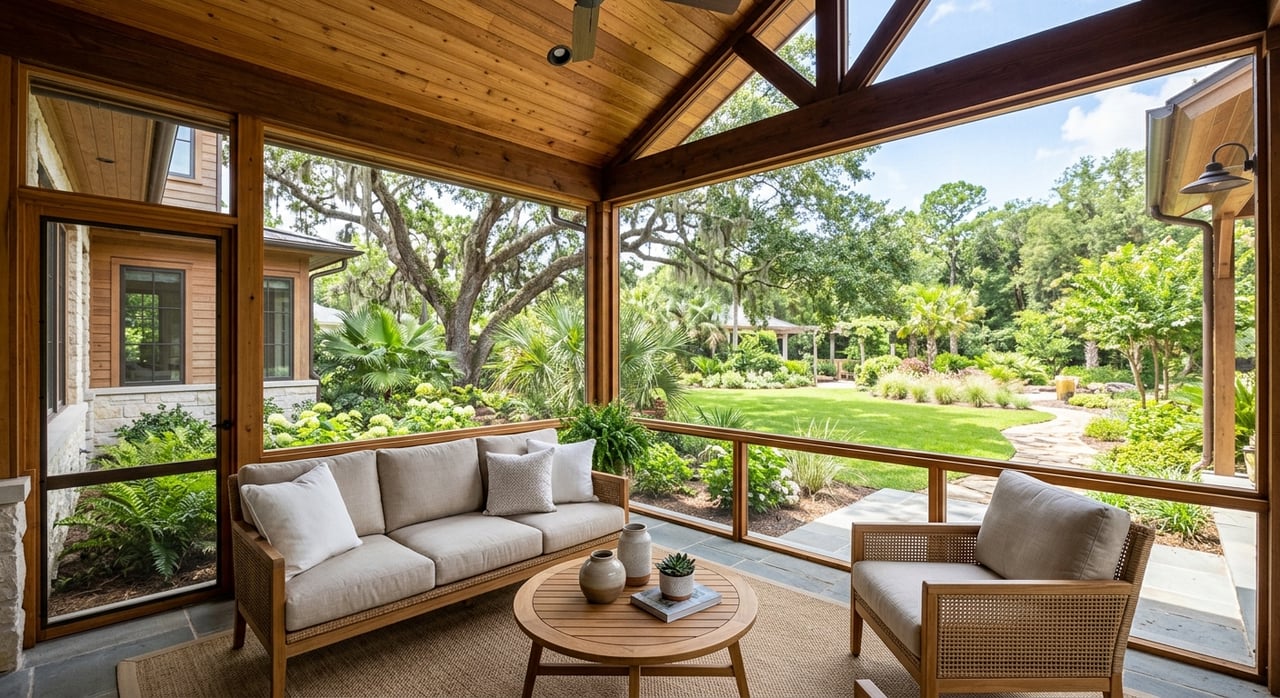
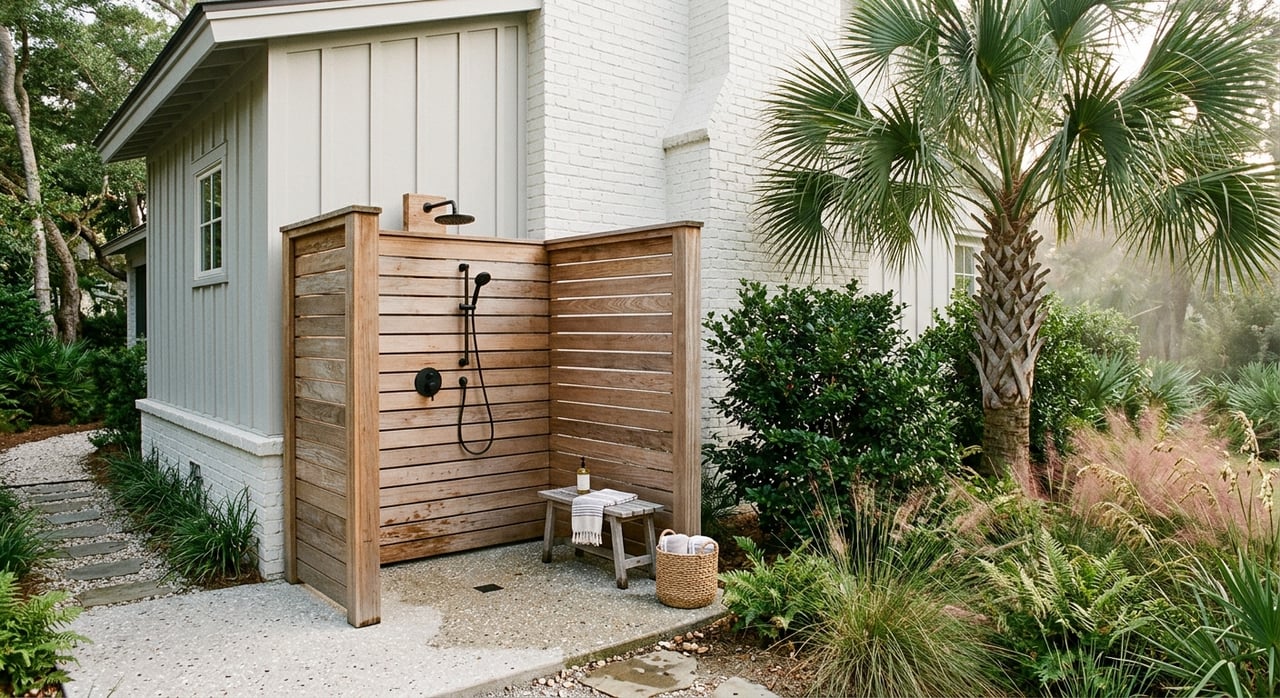
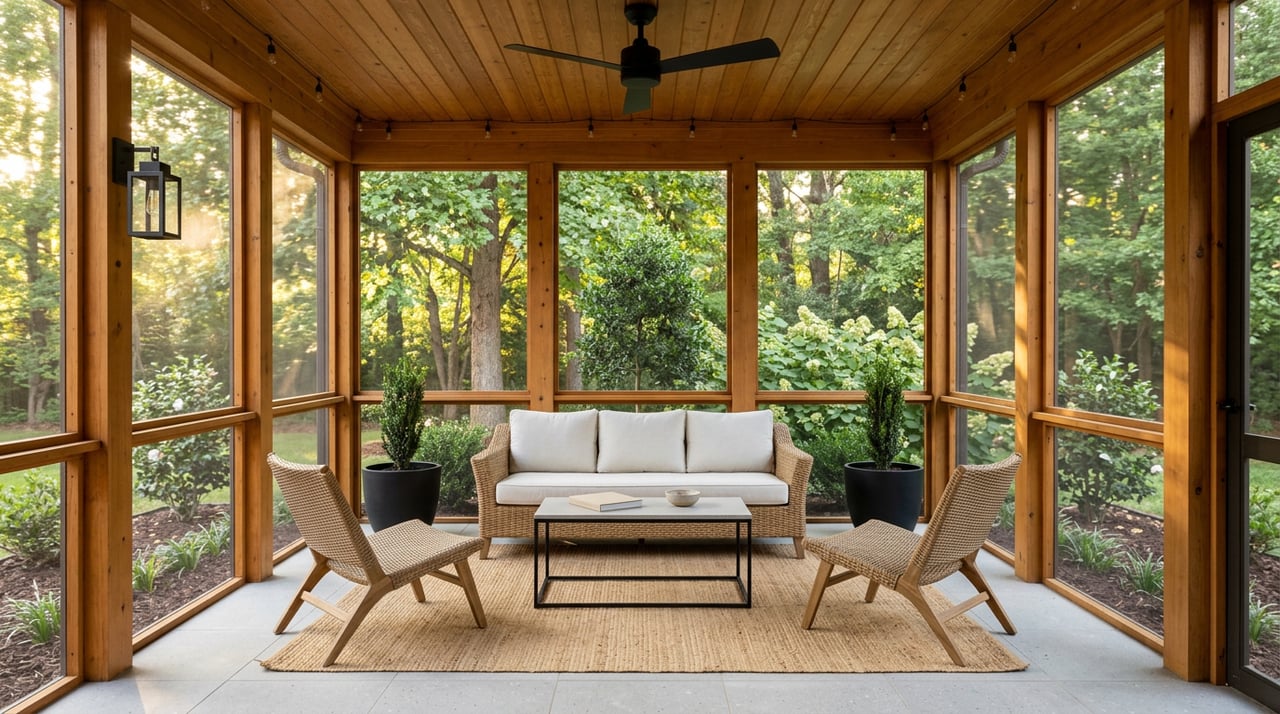
If your home benefits from beach proximity, water access, or a strong lifestyle appeal, seasonal visitor attention may help certain listings get more eyes during warmer months. Still, the best time to list depends on your home, your timeline, and your competition.
Prep your home for coastal conditions
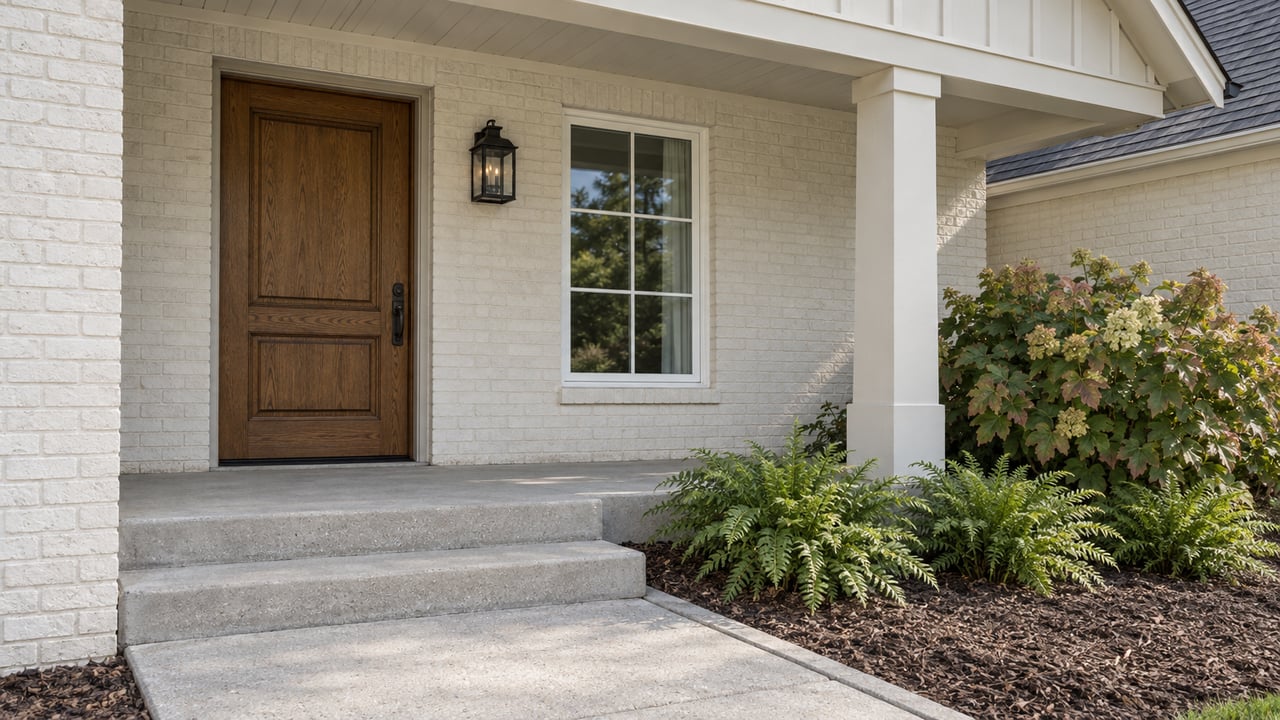
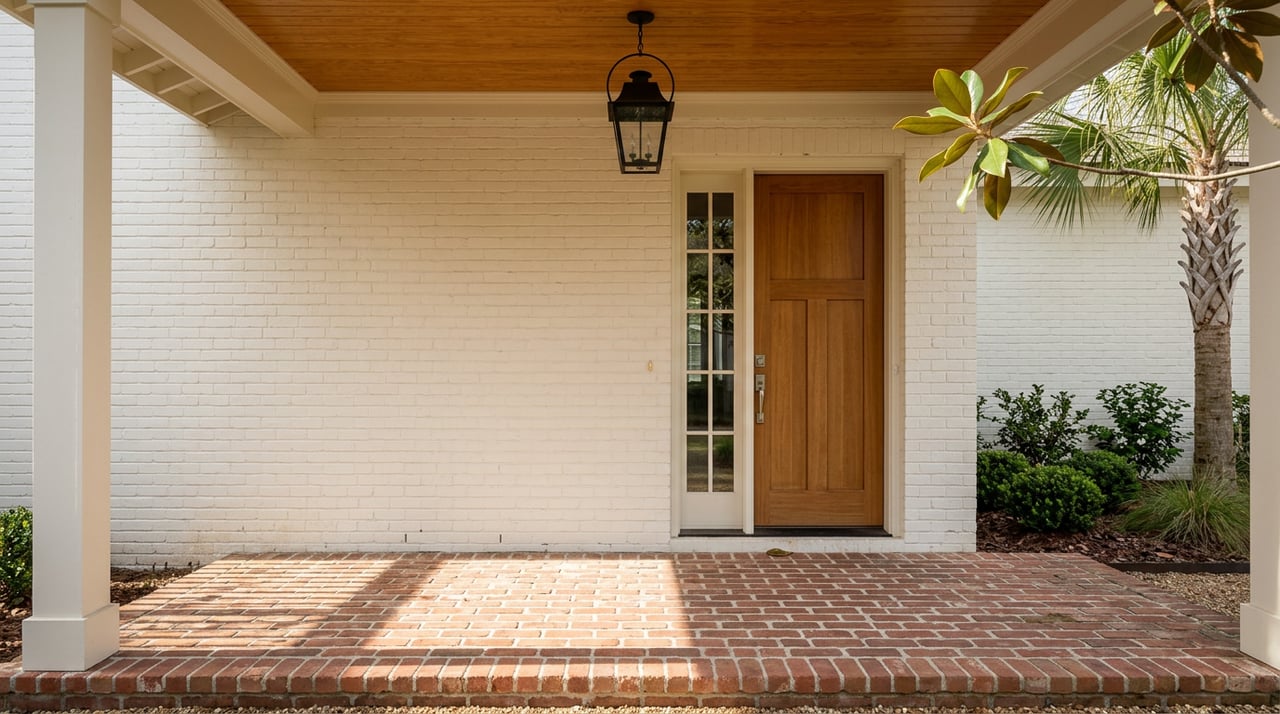
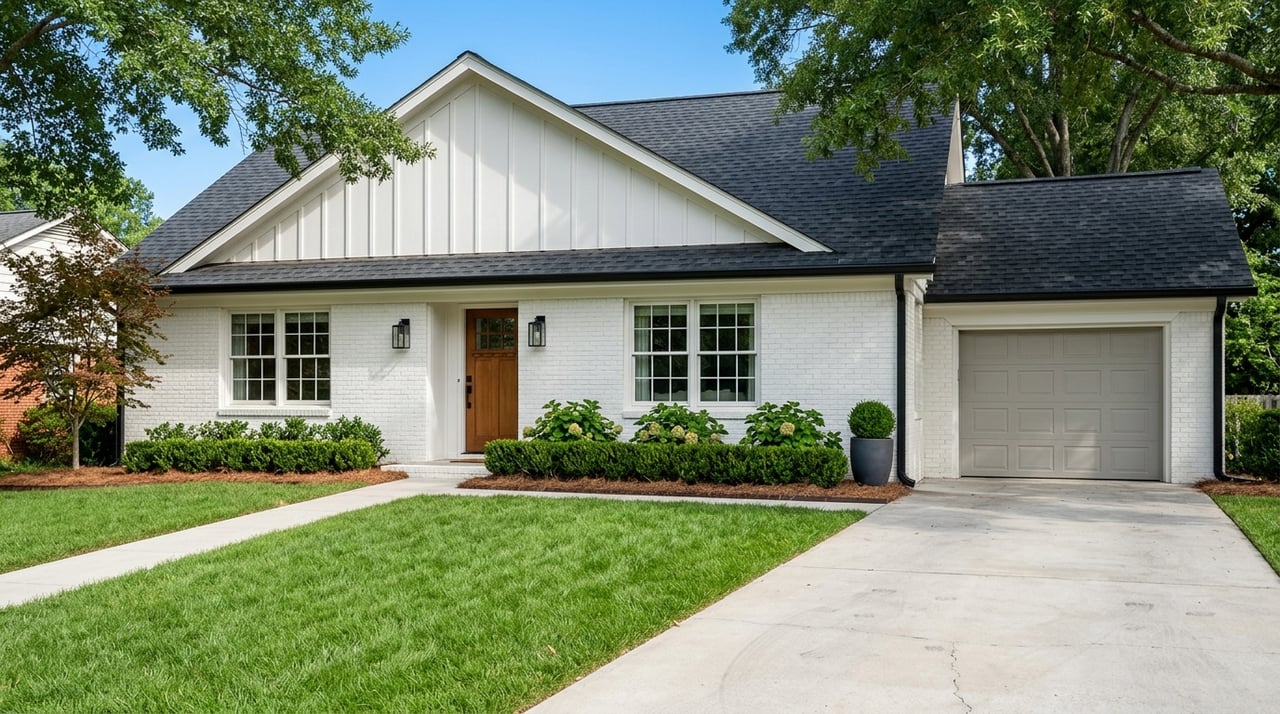
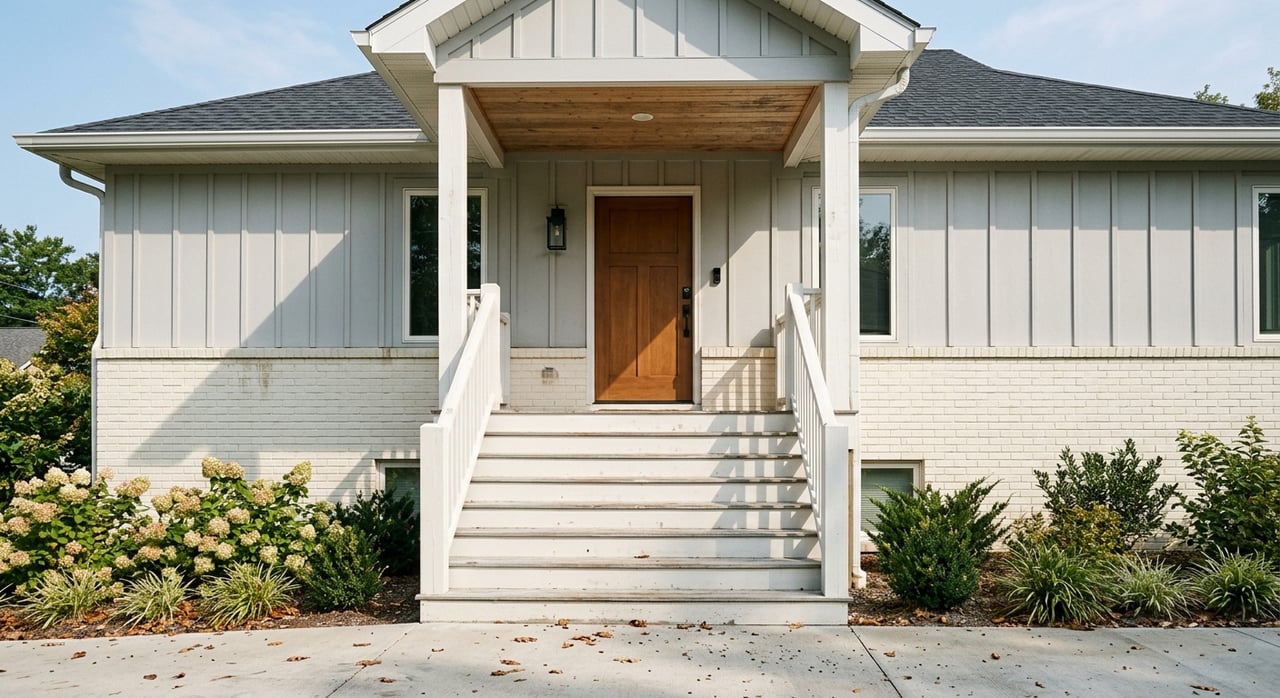
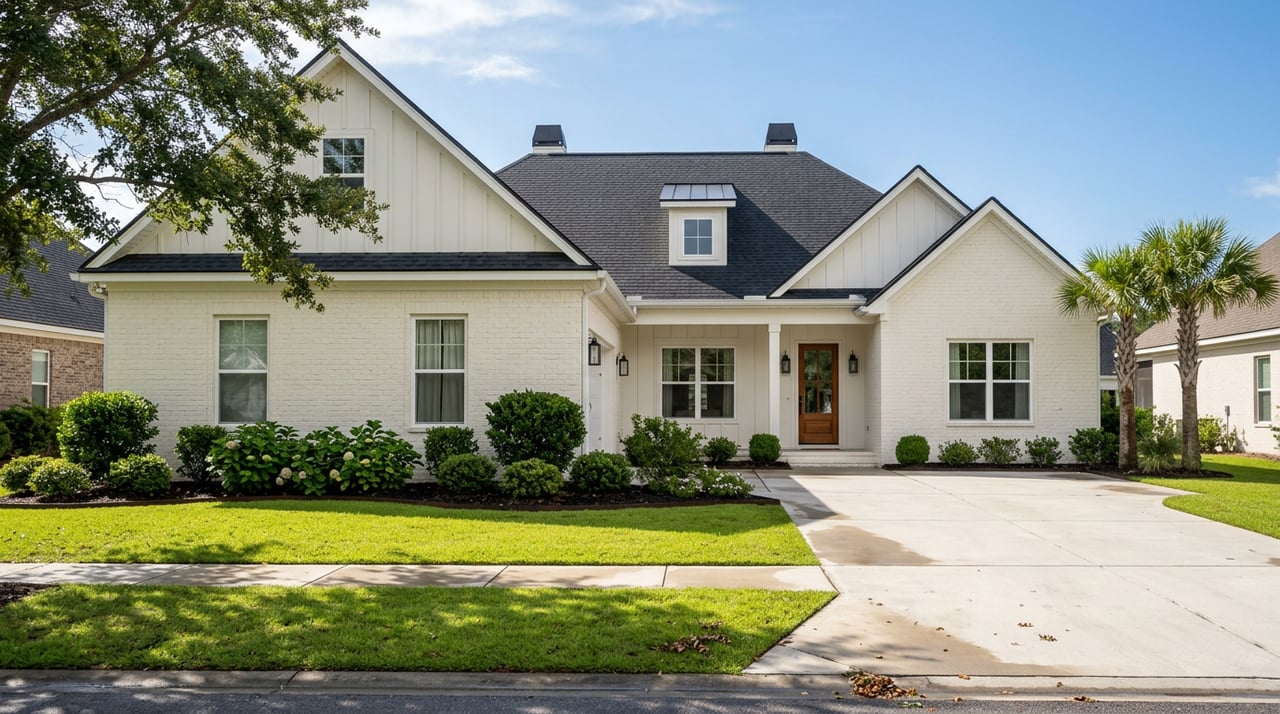
Presentation matters in any market, but coastal homes often need a more specific pre-listing checklist. Buyers notice condition quickly, and visible deferred maintenance can shape how they value the property.
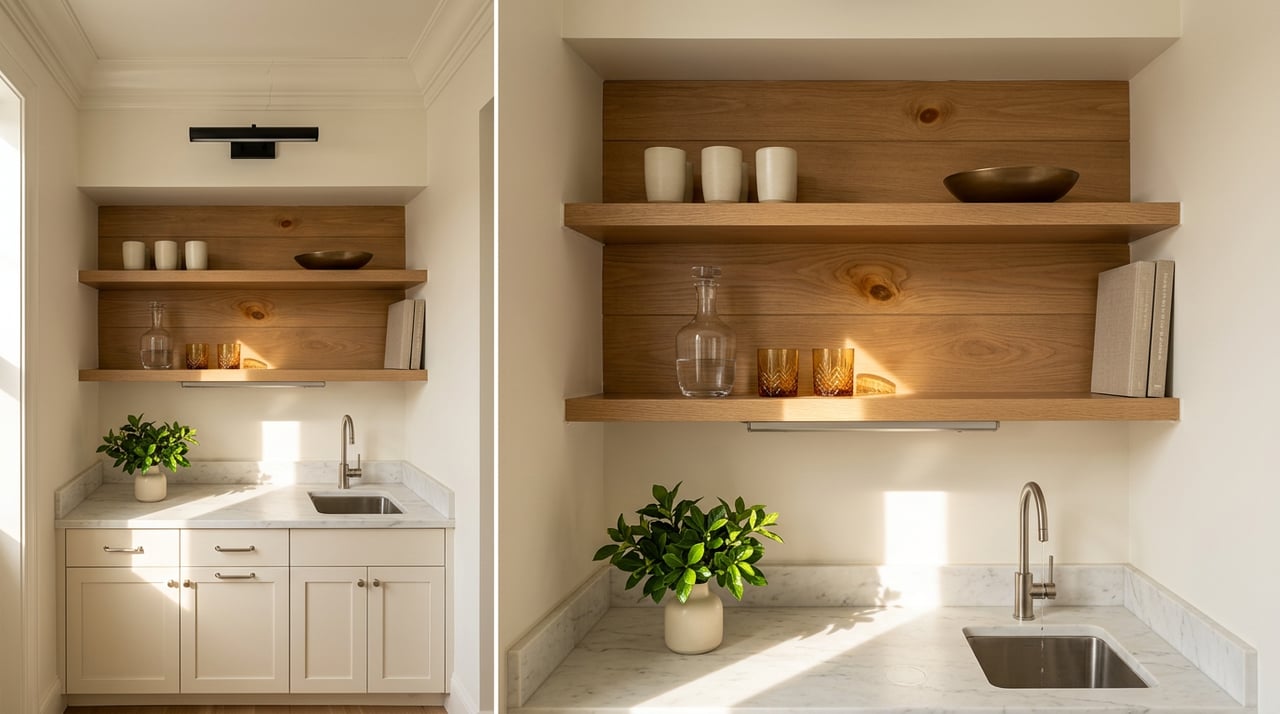
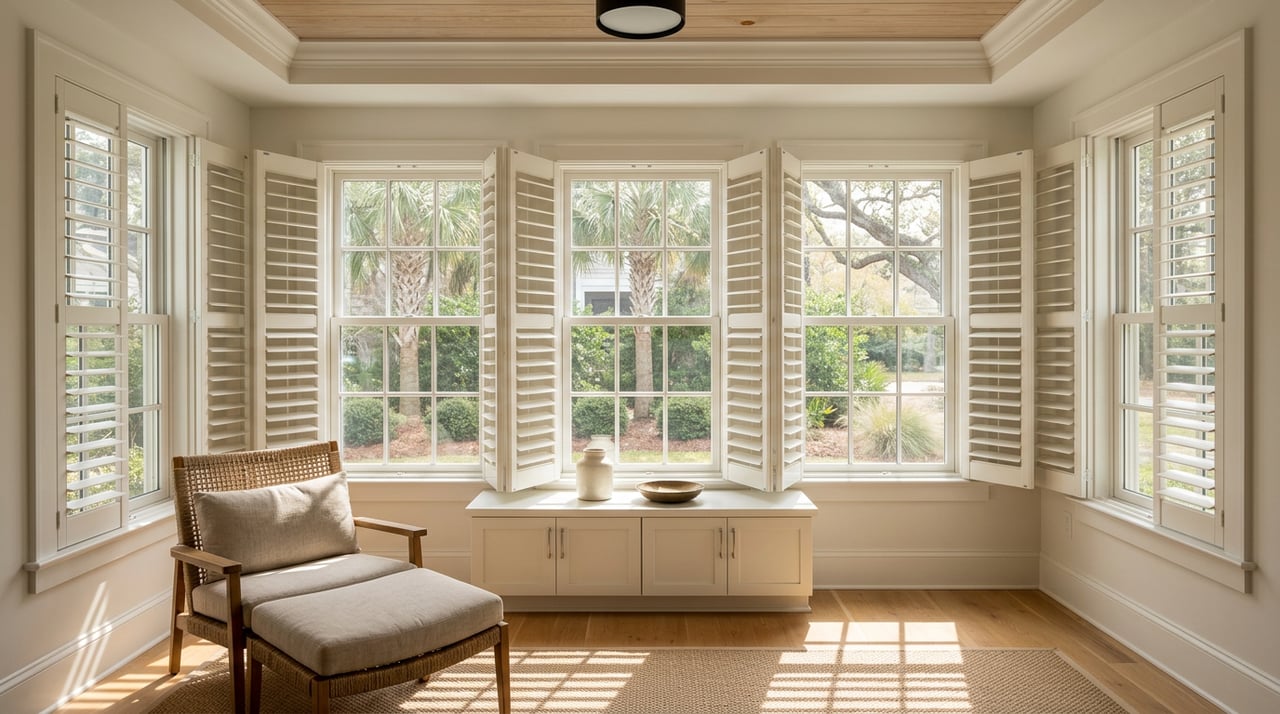
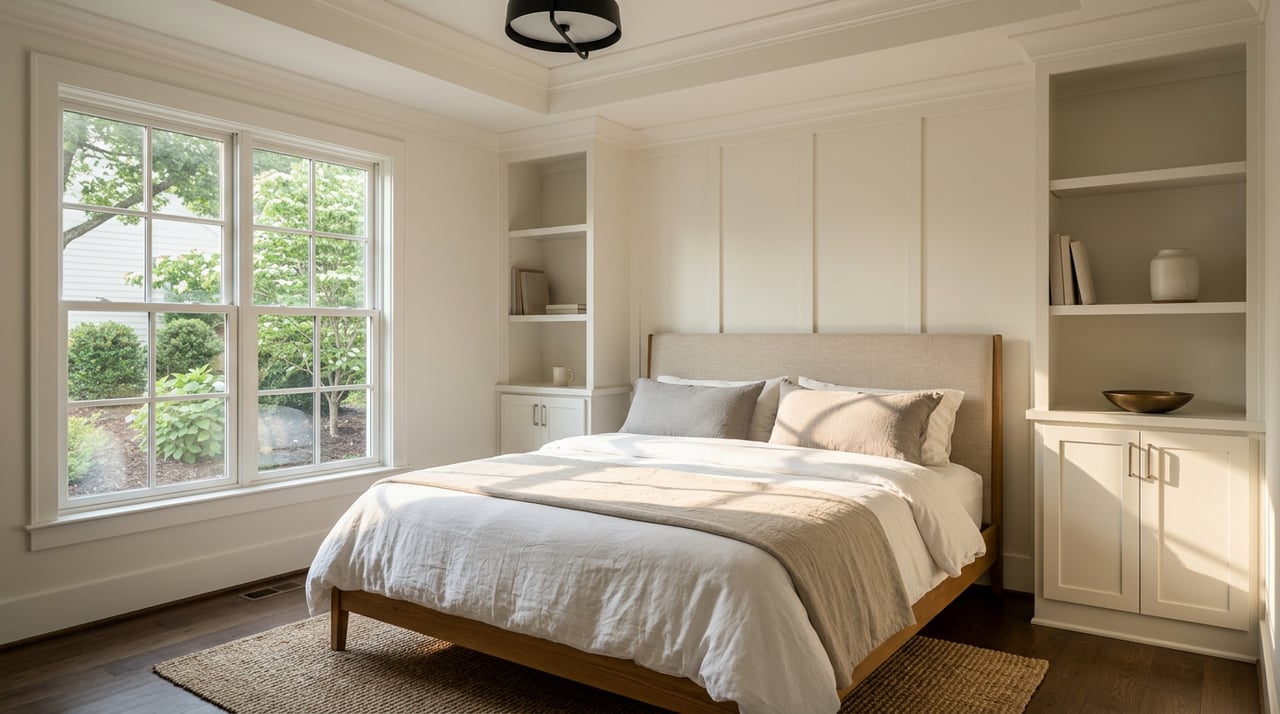
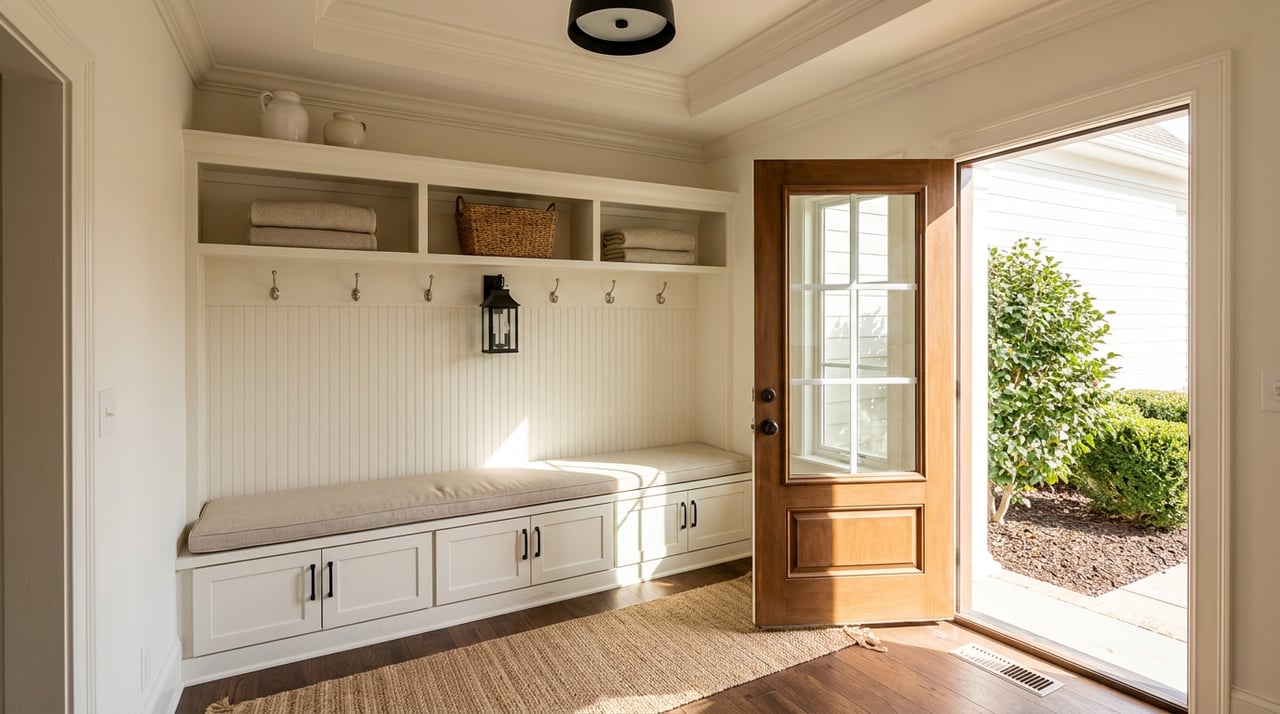
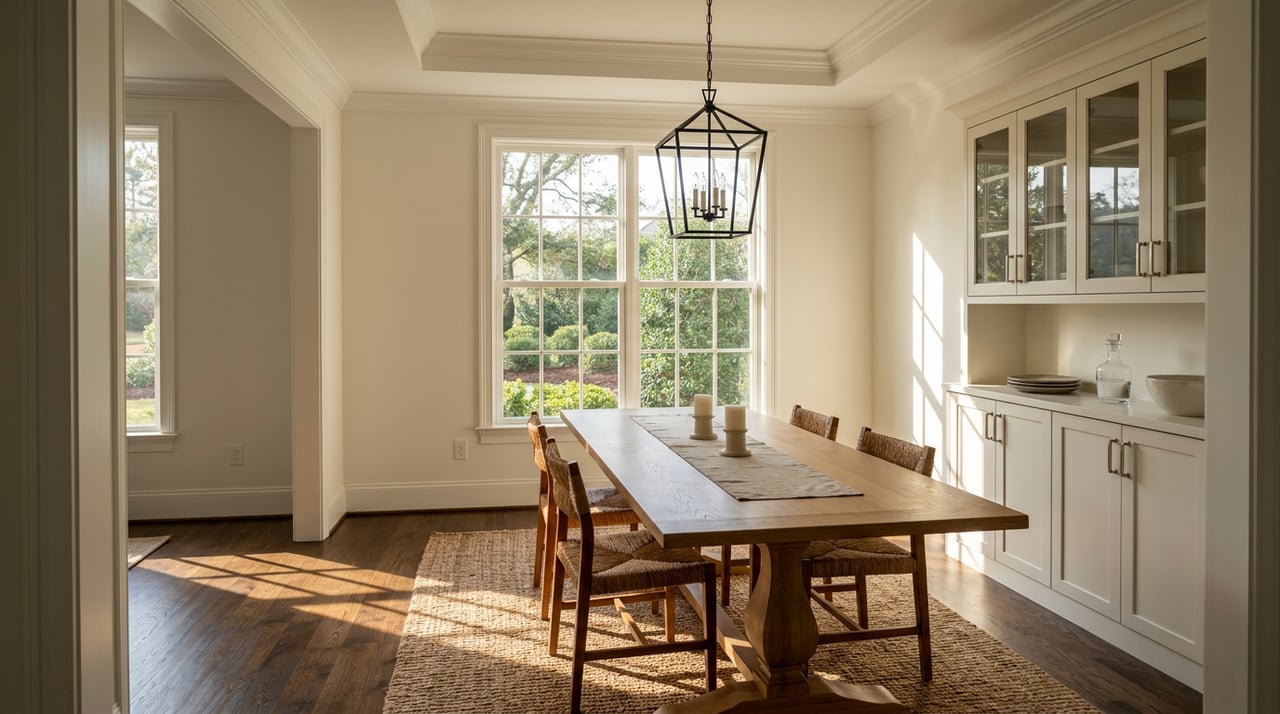
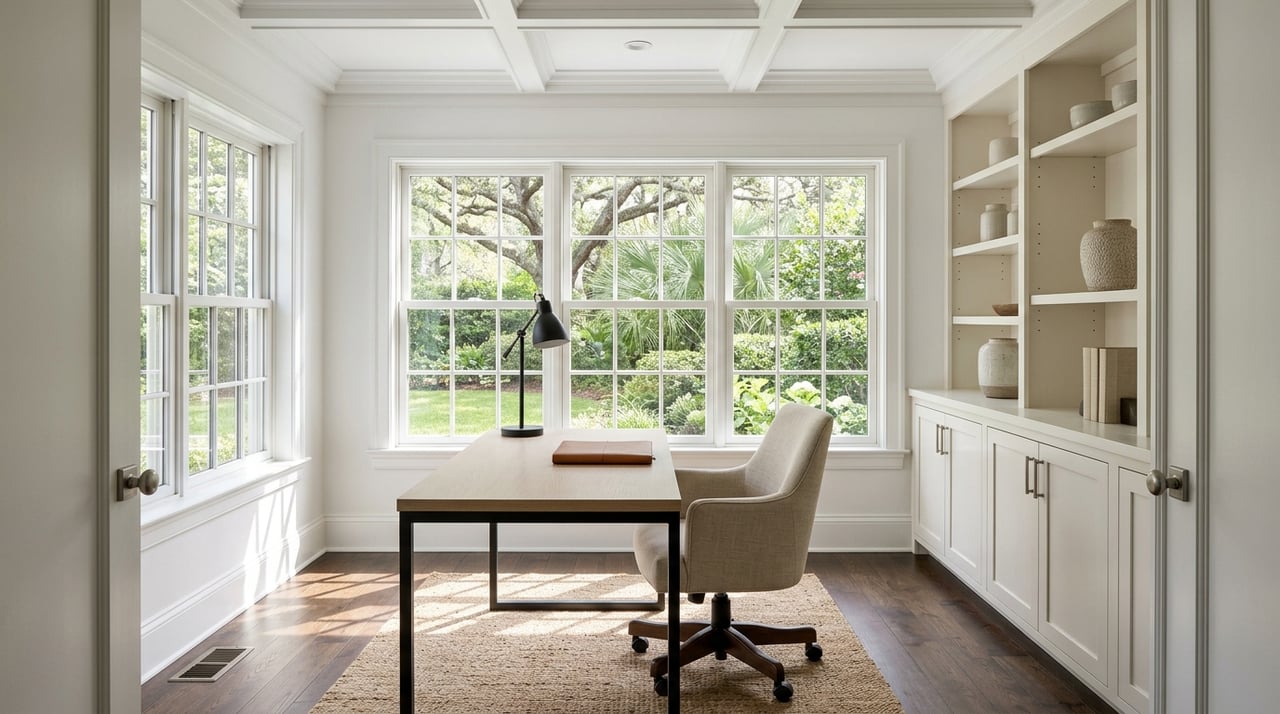
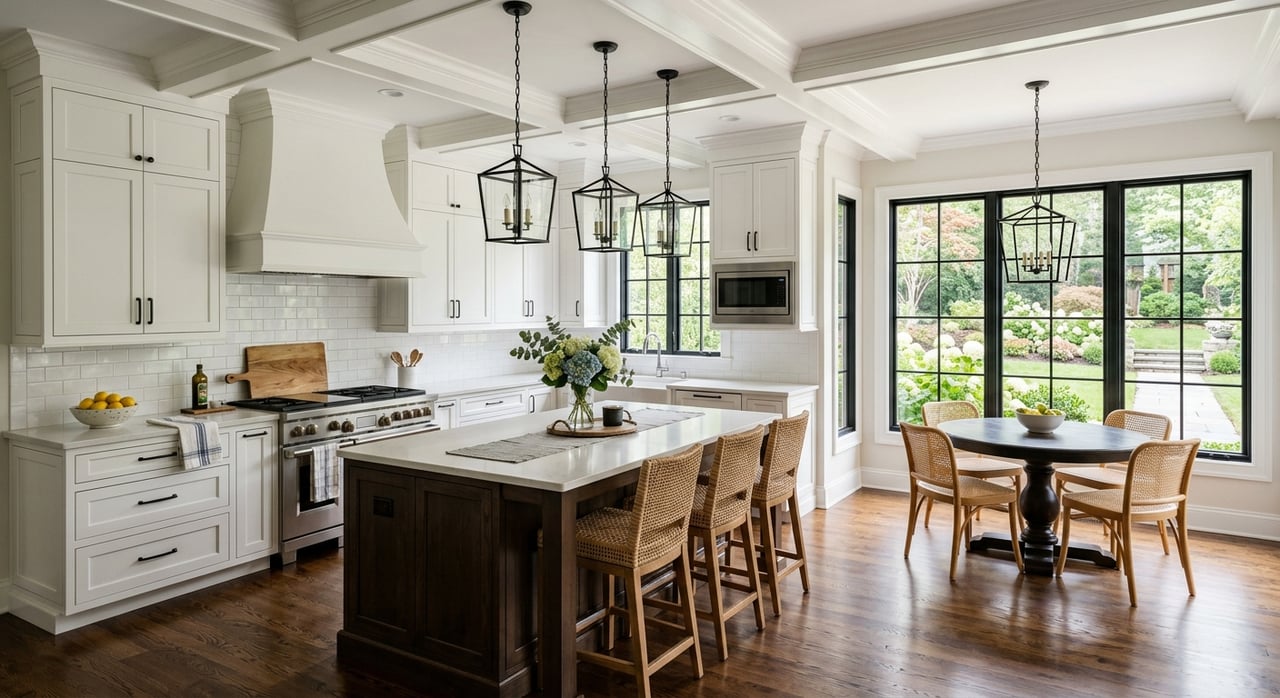
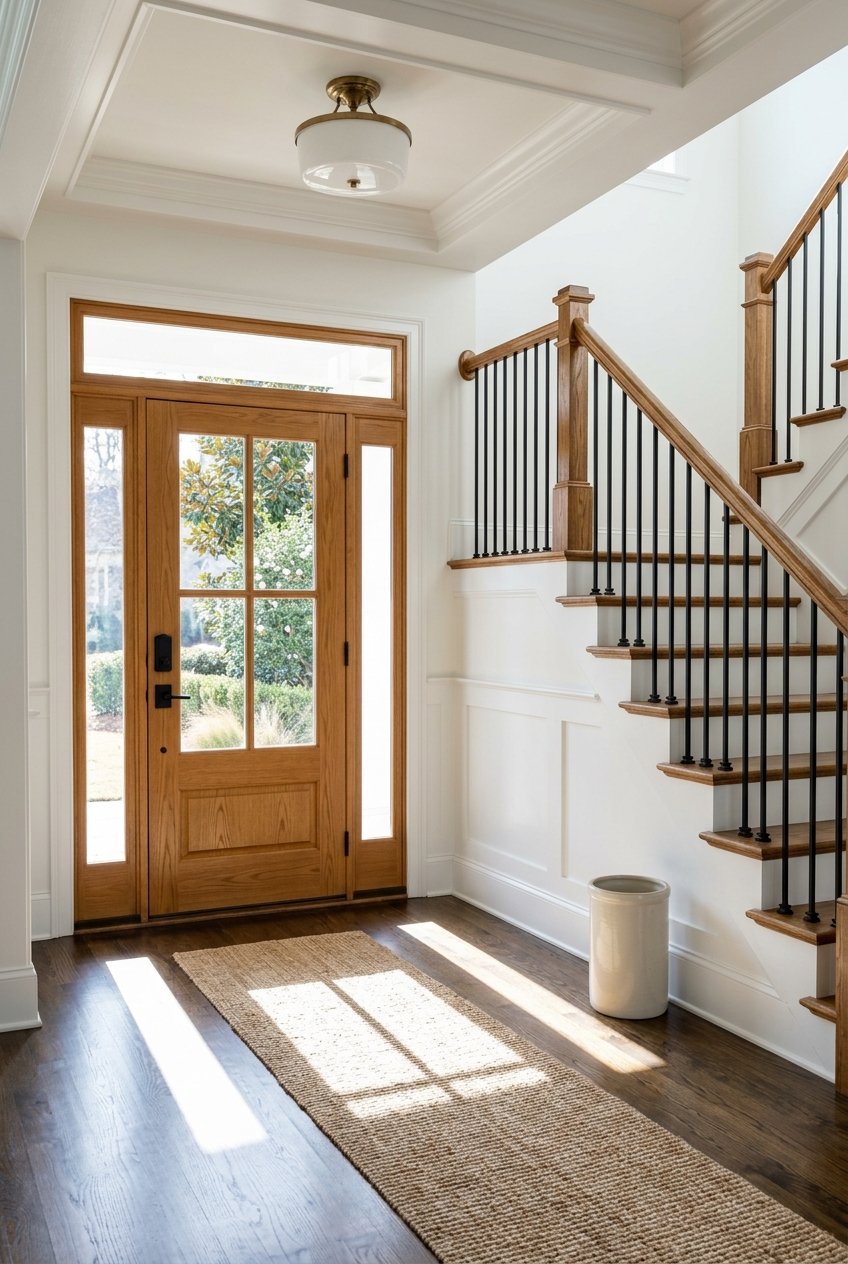
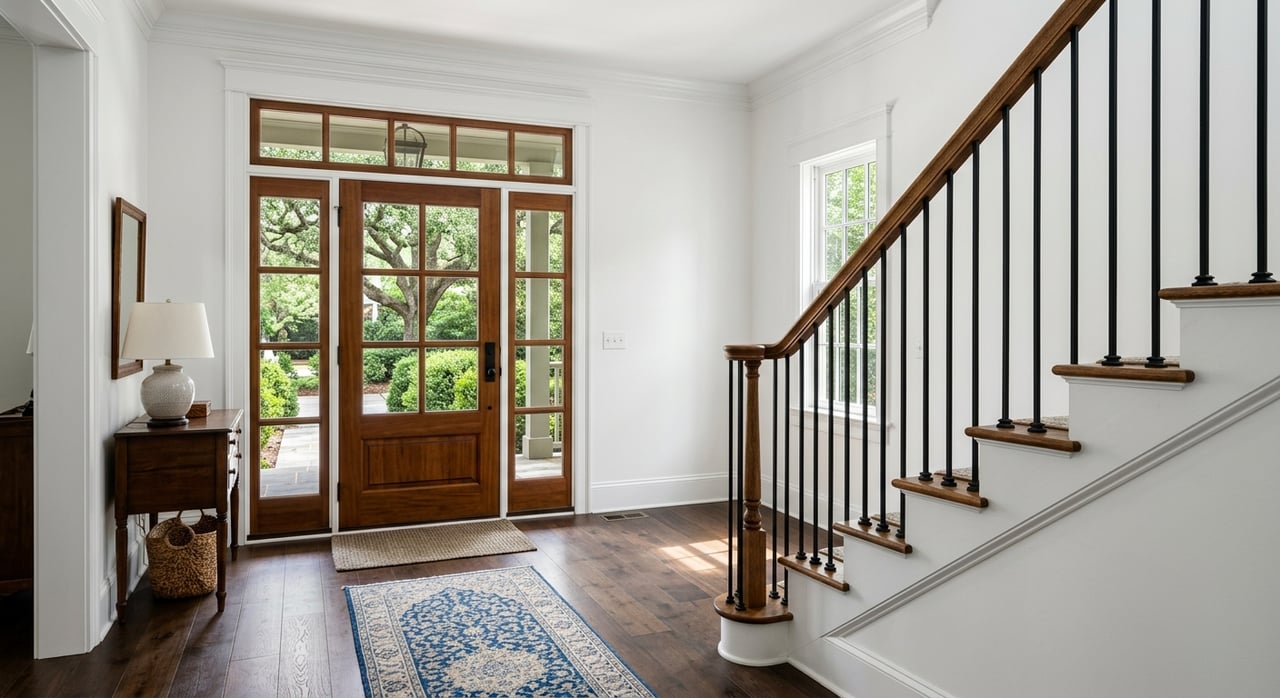
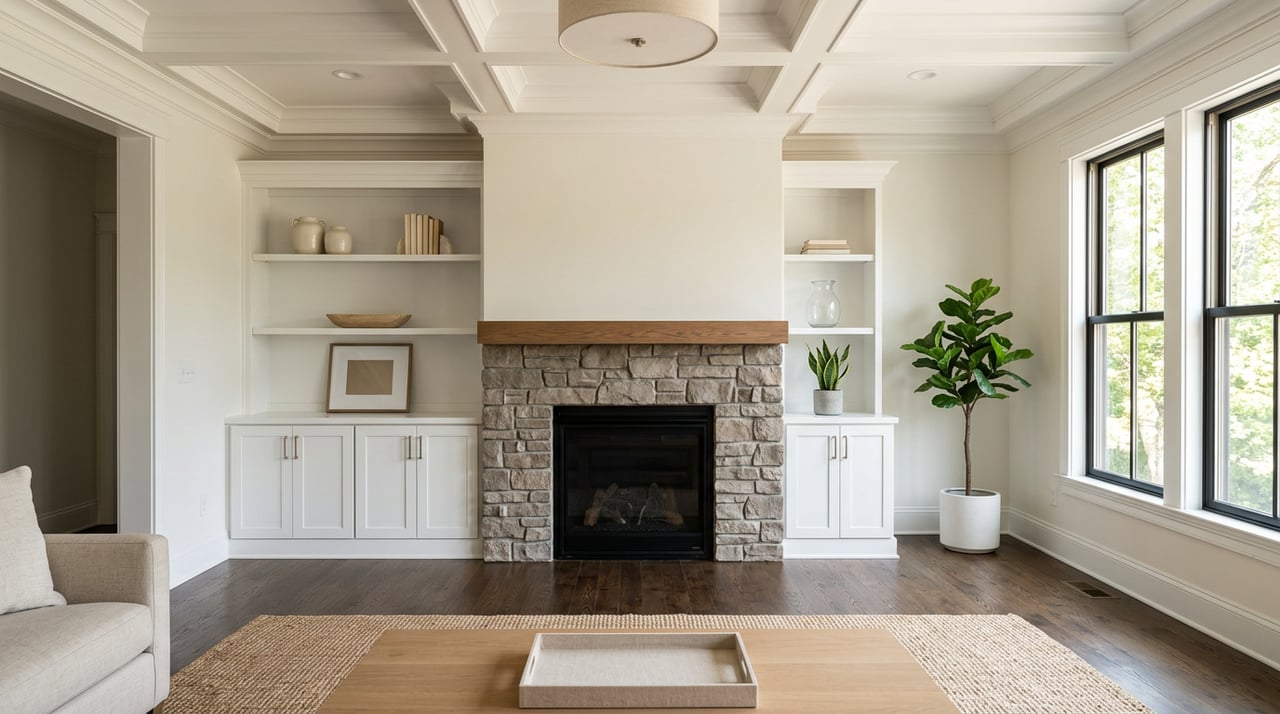
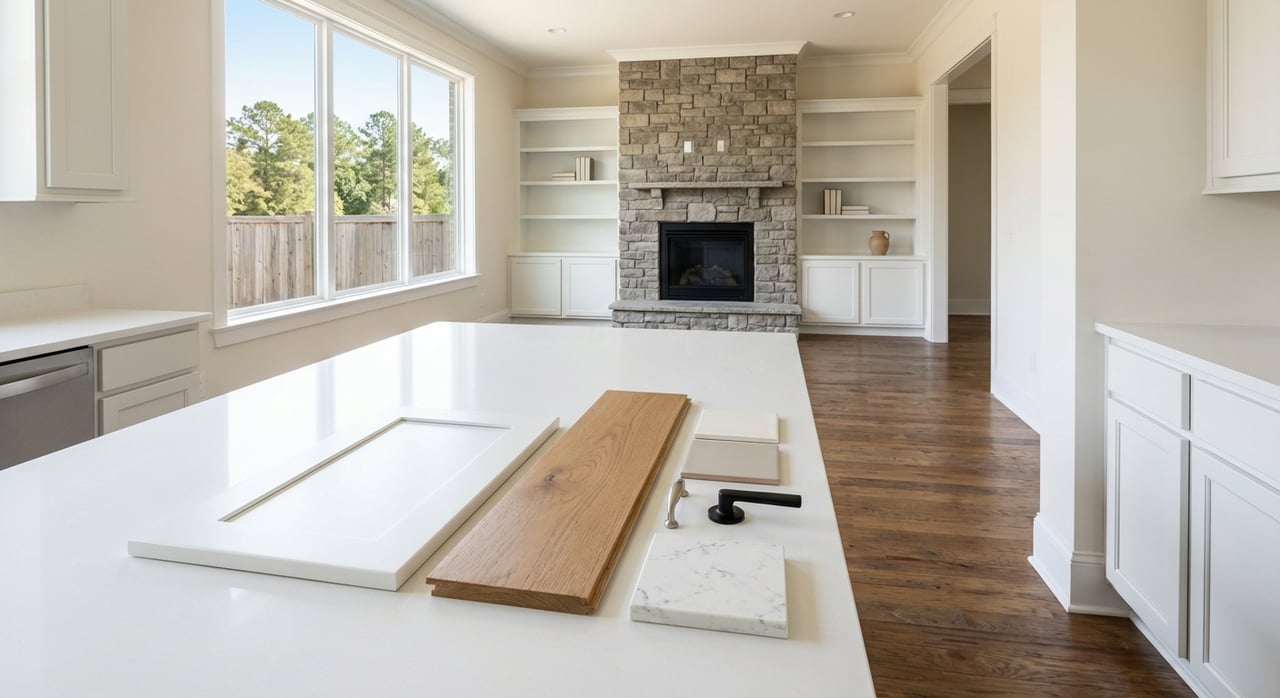
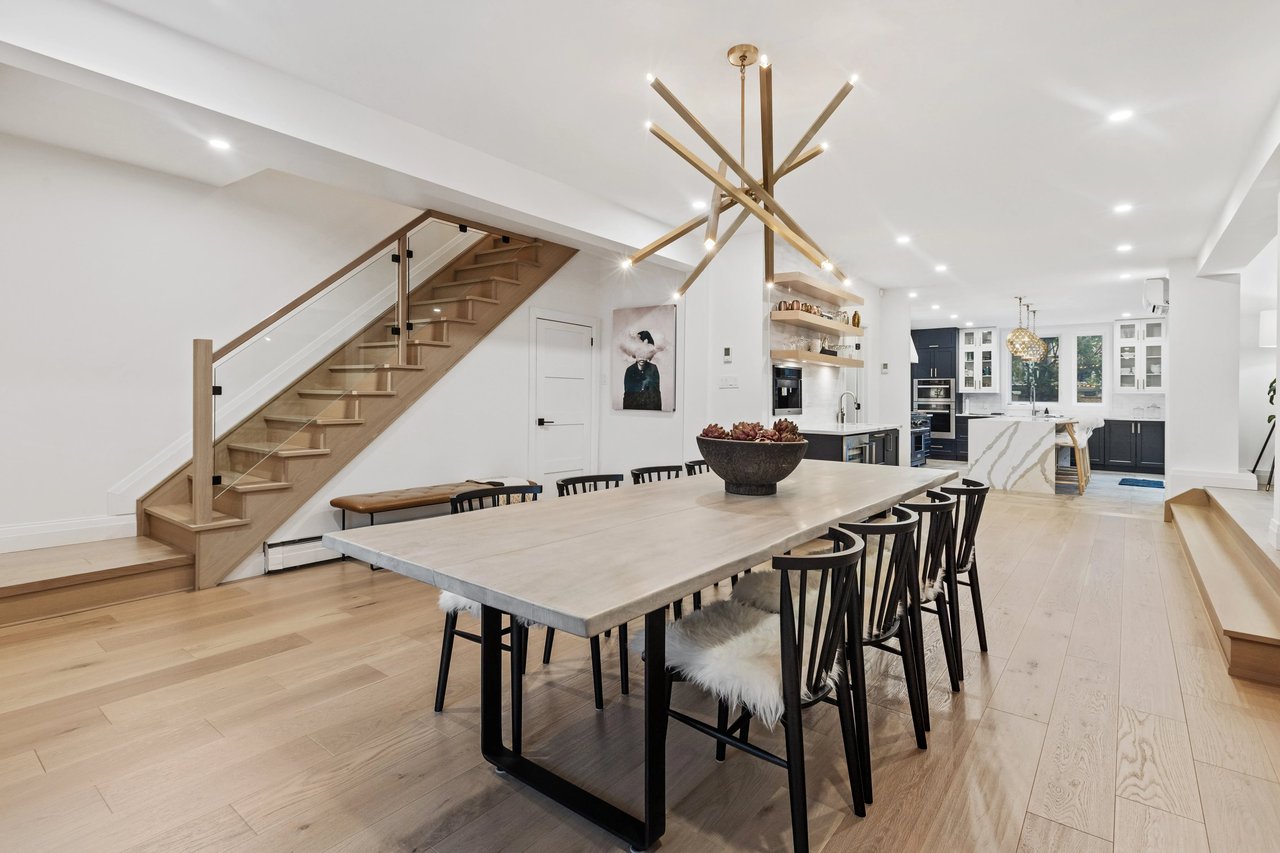
Start with staging. The 2025 Profile of Home Staging from NAR found that 83% of buyers’ agents said staging made it easier for a buyer to visualize the property as a future home. The most commonly staged rooms were the living room, primary bedroom, and dining room.
That matters because buyers often make decisions emotionally before they justify them logically. Clean, well-styled rooms can help your home feel more move-in ready and memorable online.
Focus on moisture control
In Wilmington’s humid climate, moisture is not something to ignore before listing. The EPA’s mold guidance states that mold cannot grow without moisture and recommends using air conditioning or dehumidifiers when needed, along with drying damp areas within 24 to 48 hours.
If your home has had any recent leaks, condensation issues, or storm-related dampness, address those items early. The CDC also advises cleaning and drying wet items quickly after flood or storm exposure.
Check for visible coastal wear
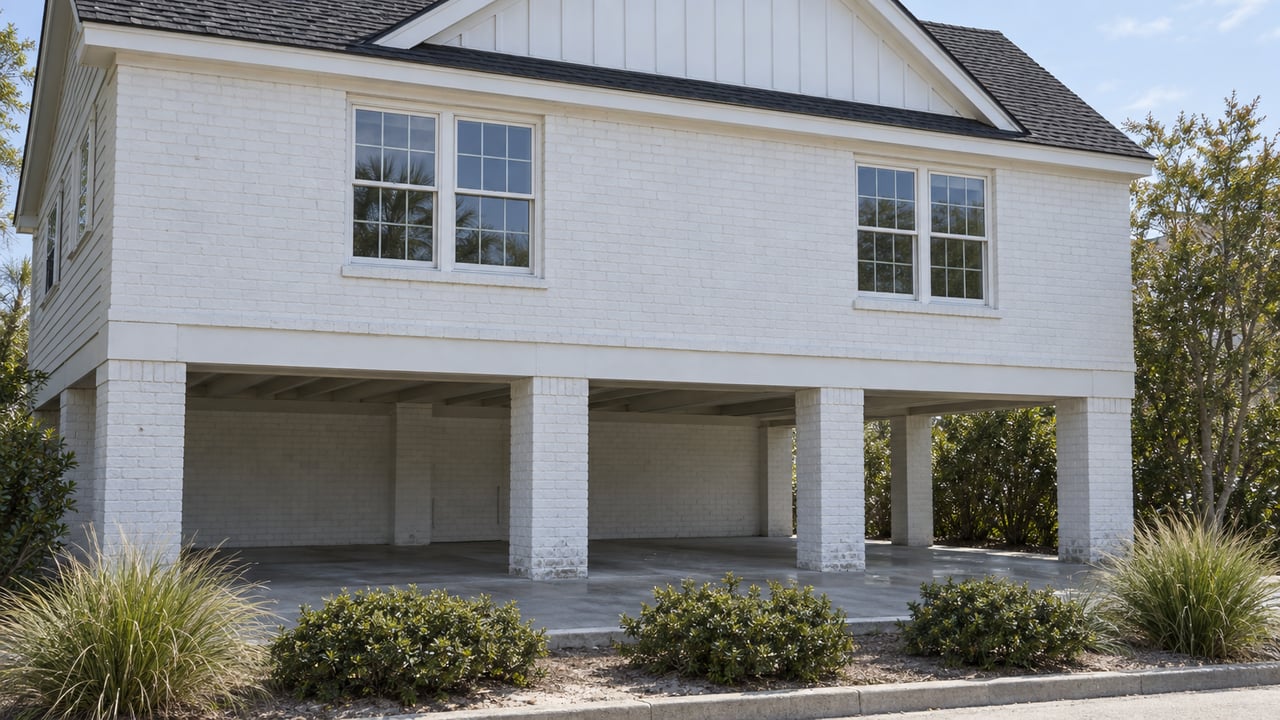
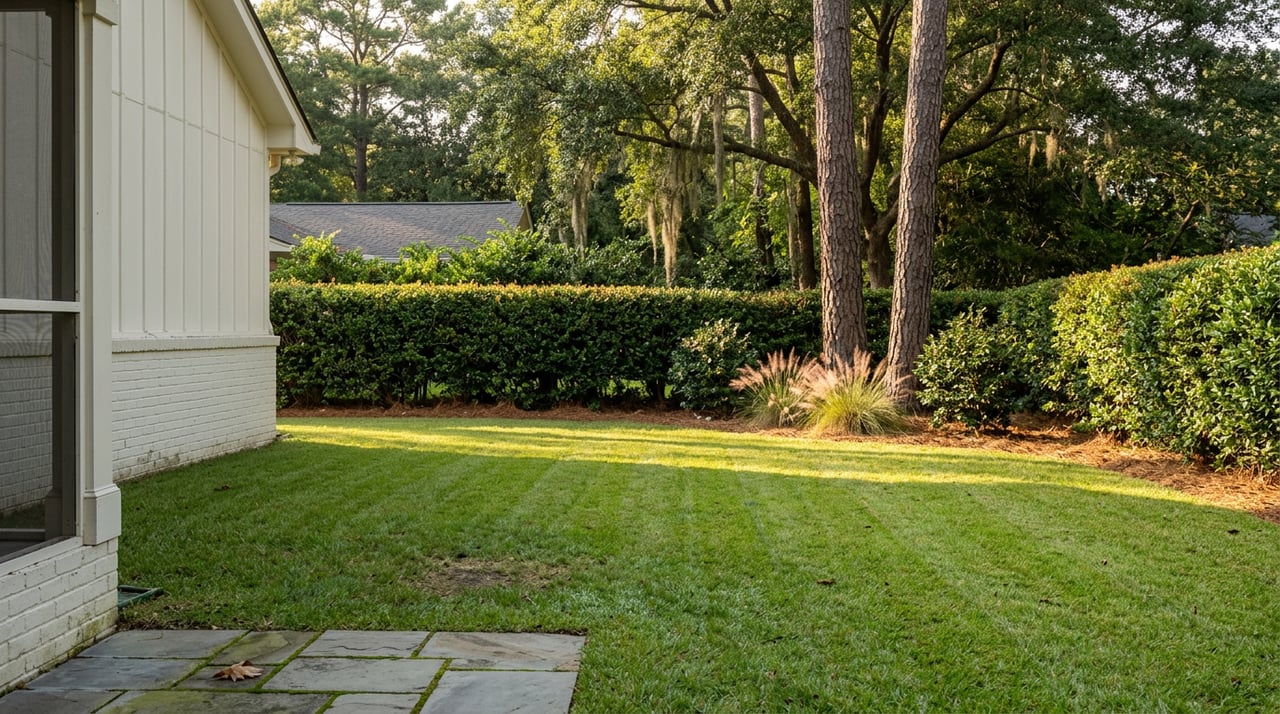
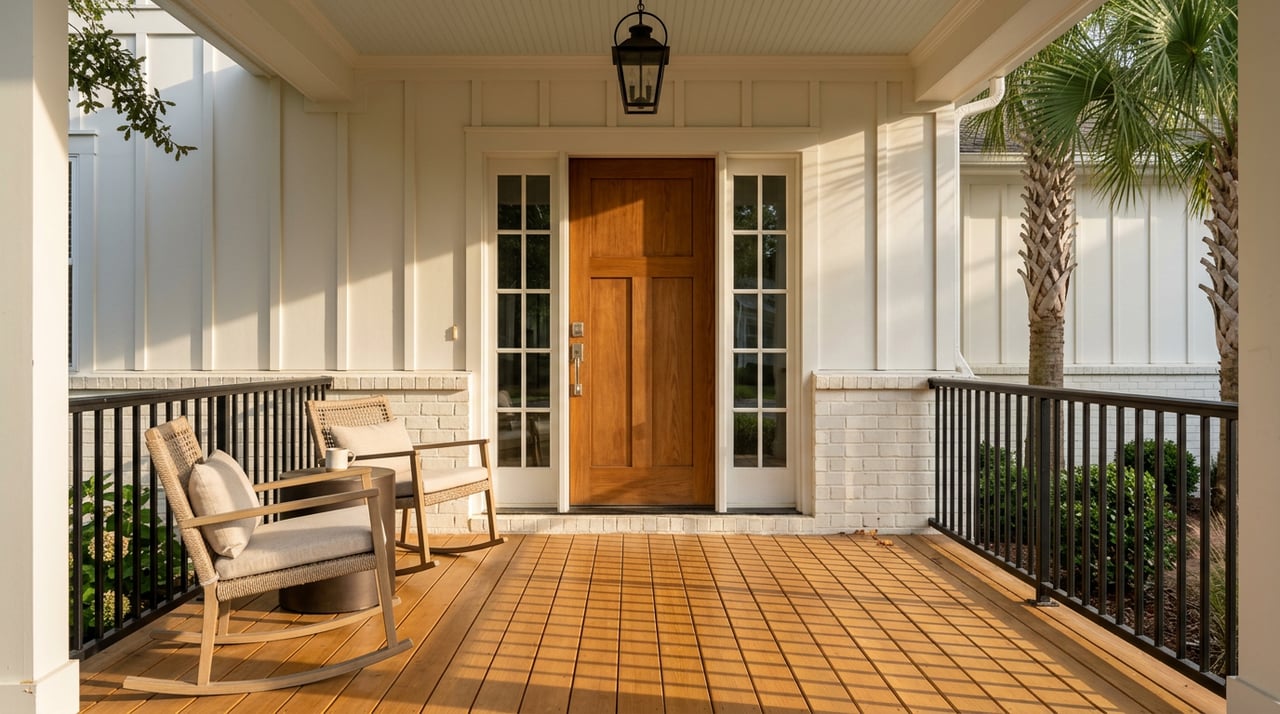
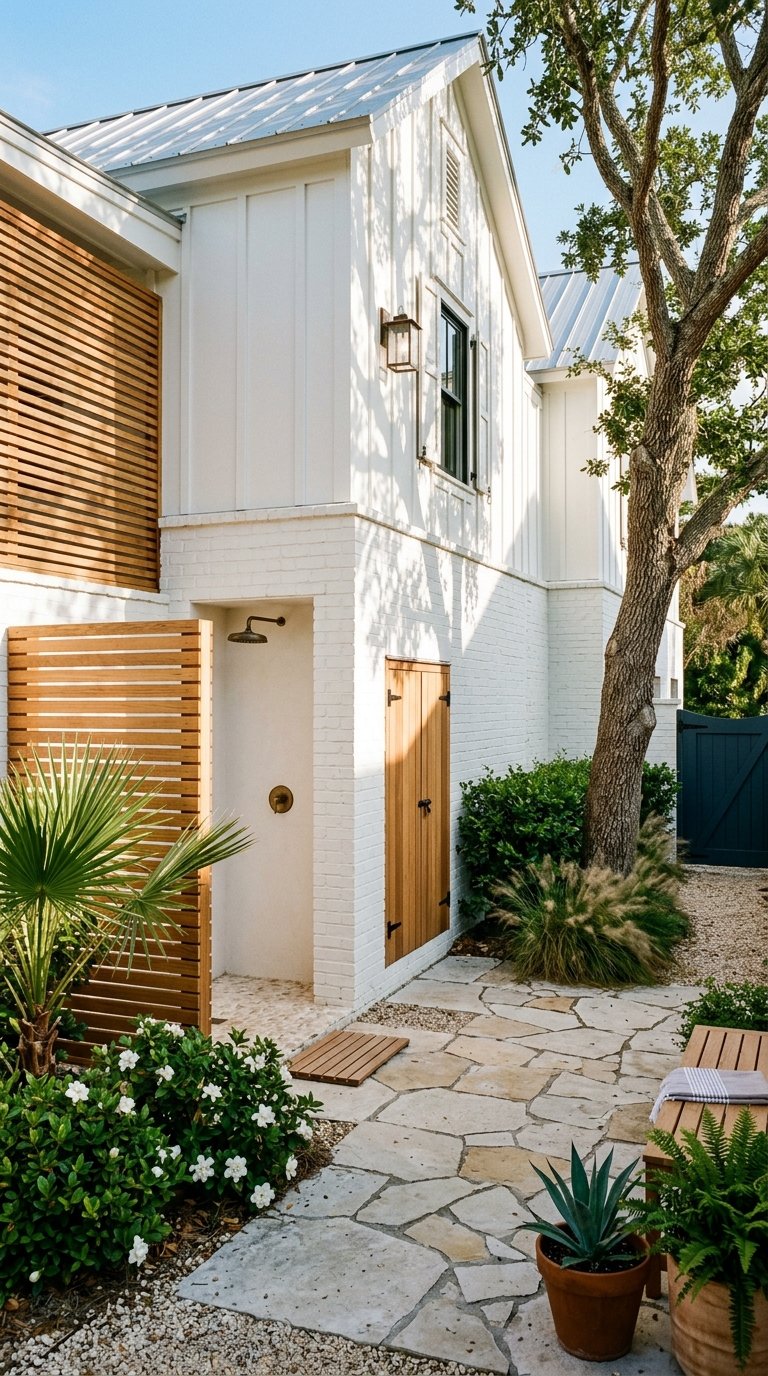
Salt air and humidity can take a toll on homes near the coast. FEMA notes that salt spray and high humidity can accelerate corrosion of untreated steel and other metals.
Before photos and showings, it is worth checking for:
- Rust on exterior hardware or railings
- Peeling paint
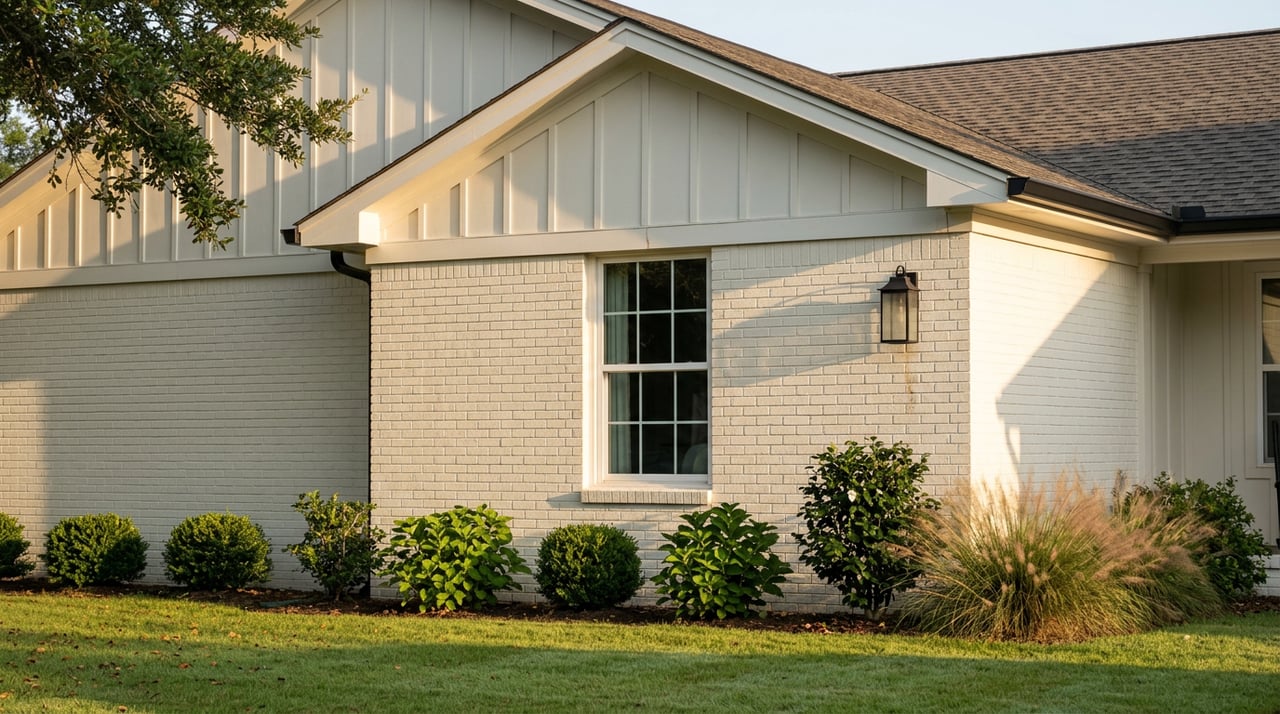
- Worn or stained trim
- Roof wear
- Gutter issues
- Corroded fasteners or exposed metal elements
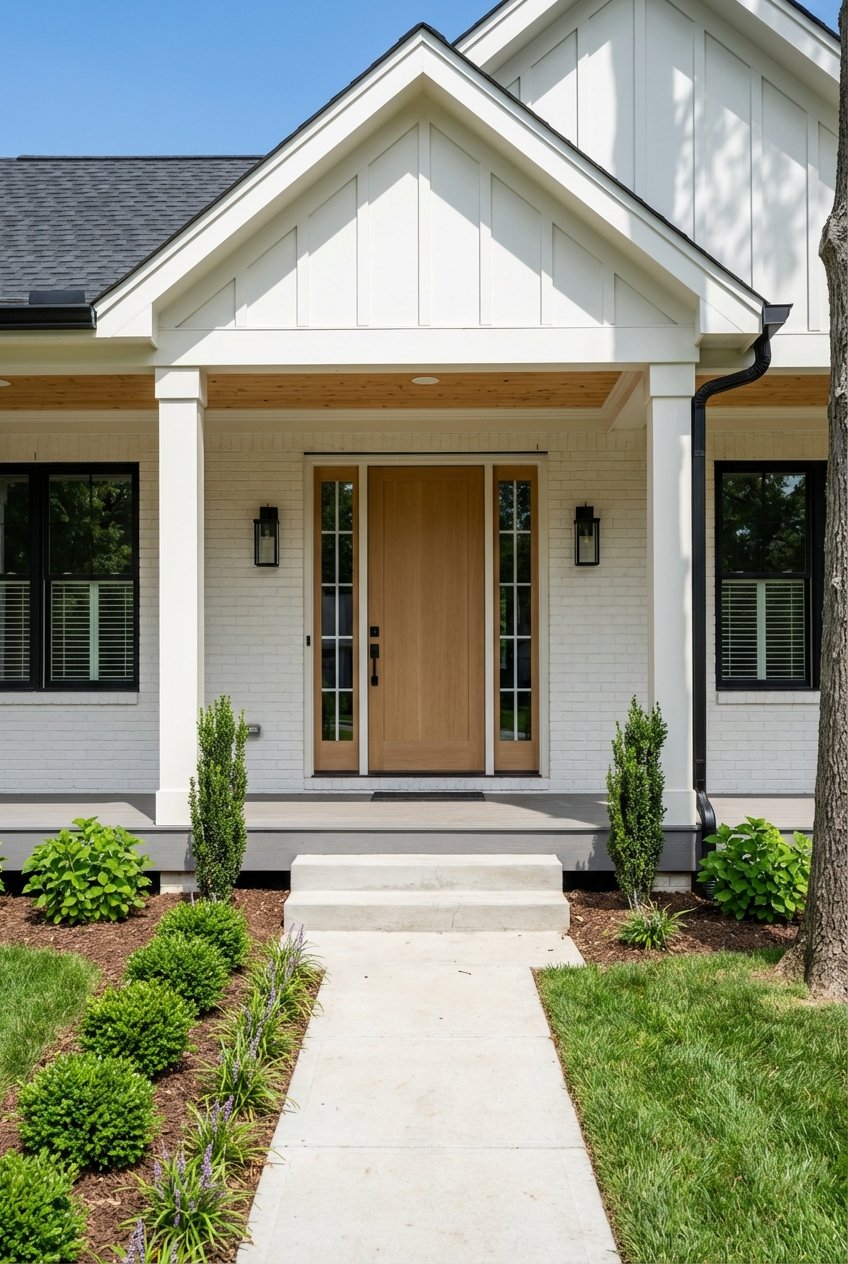
These may seem like small items, but buyers often interpret them as signs of larger maintenance concerns.
Be ready for flood-related questions
In Wilmington, flood risk is a practical part of the selling process for many homes, especially those near water or in areas buyers may already associate with storm exposure. The more prepared you are, the smoother your transaction can be.
The North Carolina Real Estate Commission says the Residential Property and Owners’ Association Disclosure Statement was revised effective July 1, 2024, and the updated form includes more detailed questions about flooding and related issues. NCREC also states that residential owners generally must provide the disclosure before an offer to purchase.
If you do not provide the required disclosure, a buyer may be able to cancel the contract. That makes it important to complete disclosures carefully, verify details, and document information in writing.
Confirm flood-zone information early
The official public source for flood hazard information is FEMA’s Flood Map Service Center. If your home is in a high-risk flood area and the buyer is using a mortgage from a government-backed lender, FEMA says flood insurance is required.
Timing can matter here too. FEMA also notes that NFIP policies typically have a 30-day waiting period before coverage begins. For some transactions, that can affect financing timelines and closing expectations.
Expect buyers to do homework
Today’s buyers are cautious, informed, and often comparison shopping across several options. In a market where homes may sit longer and sell slightly below asking on average, buyers are more likely to ask detailed questions and negotiate repairs, credits, or price.
That is not necessarily a problem if you prepare upfront. When your home is priced well, presented clearly, and supported by complete disclosures, you create confidence and remove friction from the process.
For many Wilmington sellers, the best approach is simple:
- Price from current comparable sales
- Fix visible maintenance issues before listing
- Address moisture concerns early
- Gather flood and disclosure information in advance
- Plan listing timing around your home’s location and buyer appeal
Marketing matters more in a balanced market
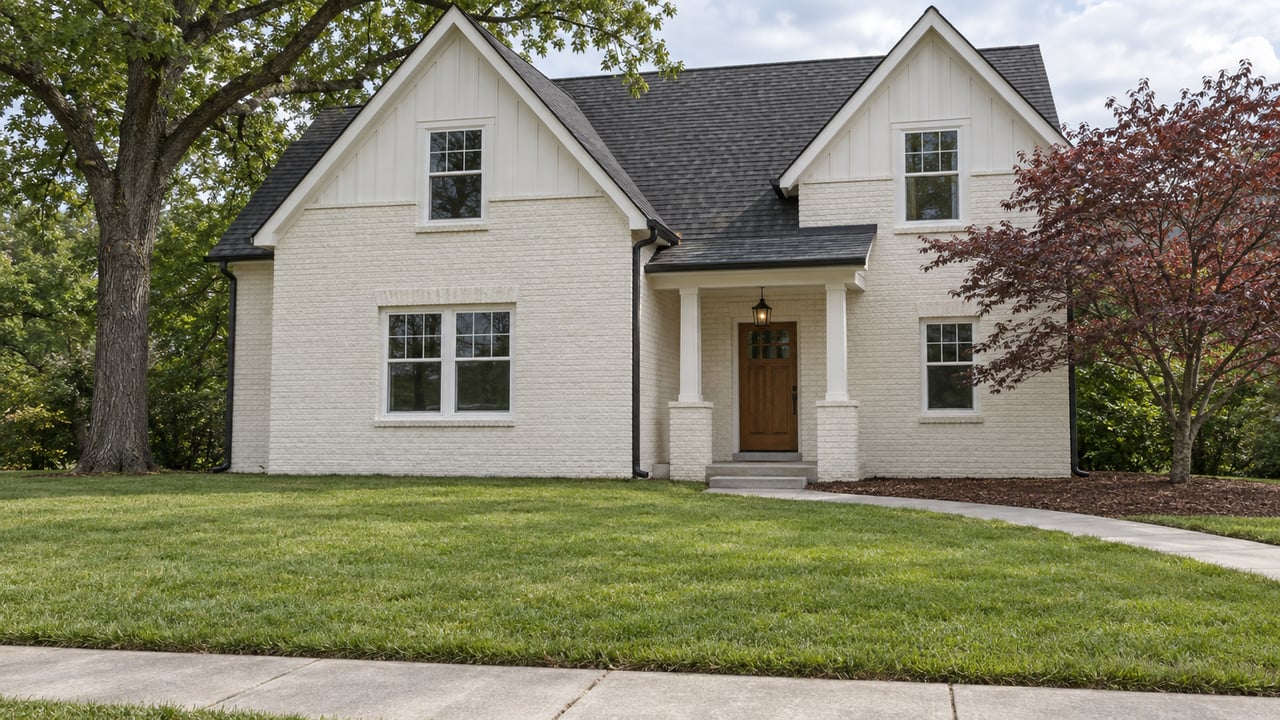
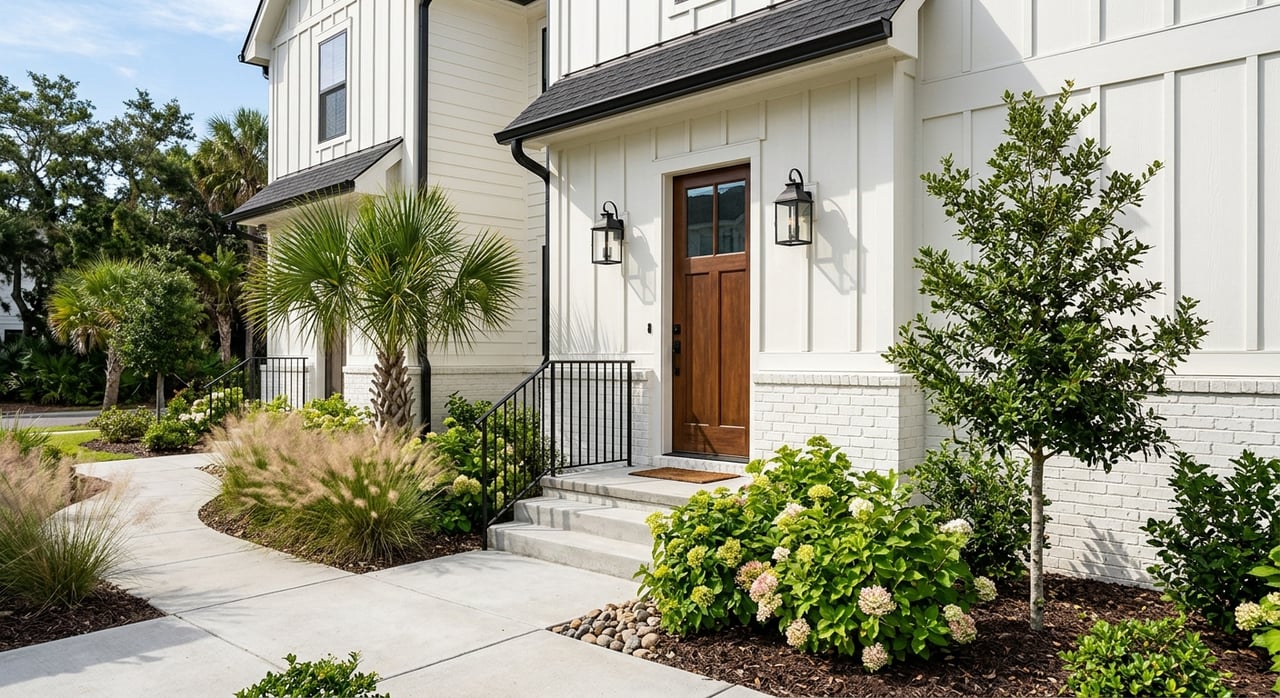
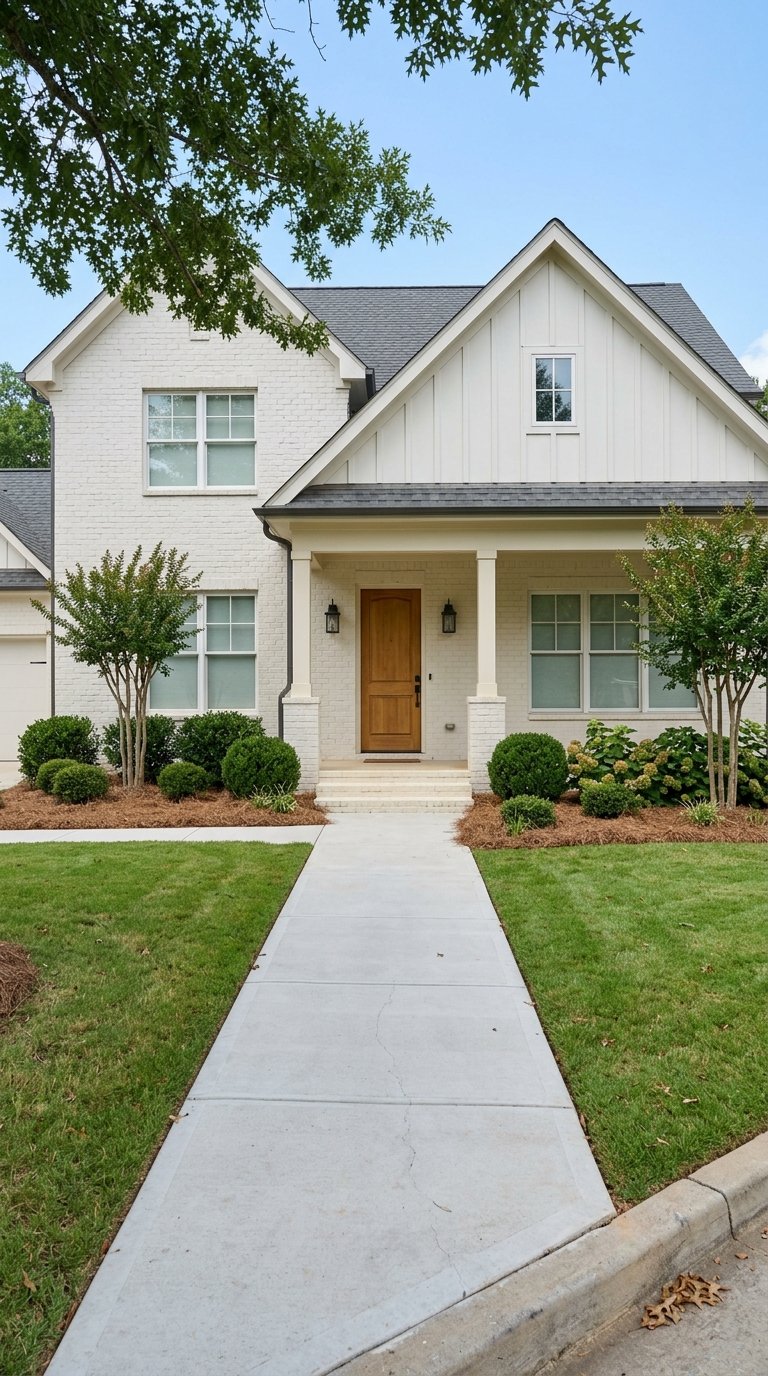
When buyers have choices, exposure and presentation become even more important. Strong visuals, thoughtful staging, and a clear story about the home can help your listing stand out.
Wilmington also attracts a mix of buyers. Based on coastal visitor data from Visit North Carolina, the area appeals to visitors using private homes, hotel stays, rental homes, shared-economy rentals, and second homes or condos. That suggests some listings may attract primary-residence buyers, while others may draw second-home or lifestyle-focused buyers depending on the property and location.
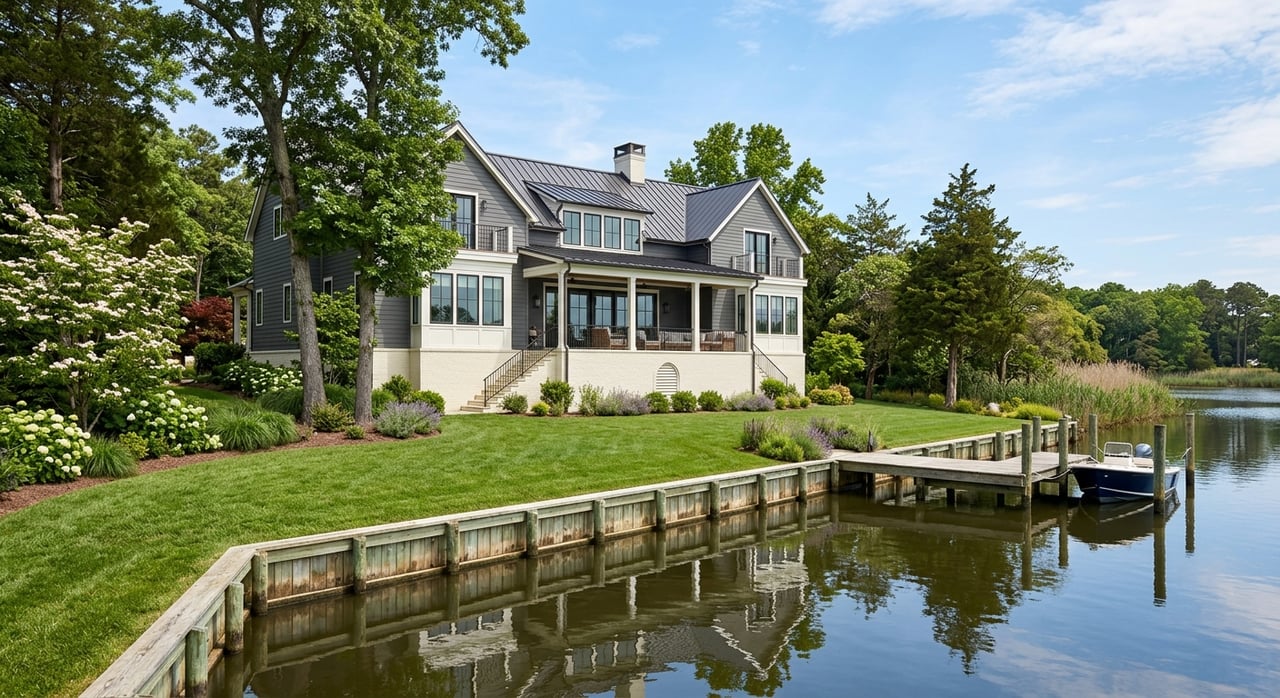
That is why your marketing should match the home. A thoughtful plan can highlight the features that matter most, from layout and condition to outdoor living, proximity to amenities, or waterfront appeal.
Your next step before listing
Selling your Wilmington home is about more than putting a sign in the yard. It takes pricing discipline, smart preparation, and a clear understanding of how coastal market factors can affect showings, negotiations, and closing timelines.
If you want a tailored selling strategy based on your home, location, and timing goals, Angela Drum can help you build a plan designed to maximize presentation, exposure, and price potential.
FAQs
What should Wilmington sellers know about current market conditions?
- Wilmington sellers should expect a more balanced market, with homes taking longer to sell than during peak years and buyers often negotiating on price.
How long does it take to sell a home in Wilmington?
- Current local data in the research report suggest roughly 51 to 76 days on market, depending on the source and geography used.
What disclosures do Wilmington home sellers need to provide?
- North Carolina sellers generally must provide the Residential Property and Owners’ Association Disclosure Statement before an offer, and the updated form includes more detailed flood-related questions.
What should homeowners fix before selling a Wilmington home?
- Focus first on staging, moisture control, and visible coastal wear such as rust, peeling paint, roof concerns, and gutter issues.
How does flood-zone status affect selling a Wilmington home?
- Flood-zone status can affect buyer insurance requirements, financing, and closing timing, especially when a government-backed loan is involved.
When is the best time to list a home in Wilmington?
- Spring is often strong, but the right timing depends on your property, your location, and how seasonal tourism patterns may affect showings and buyer traffic.