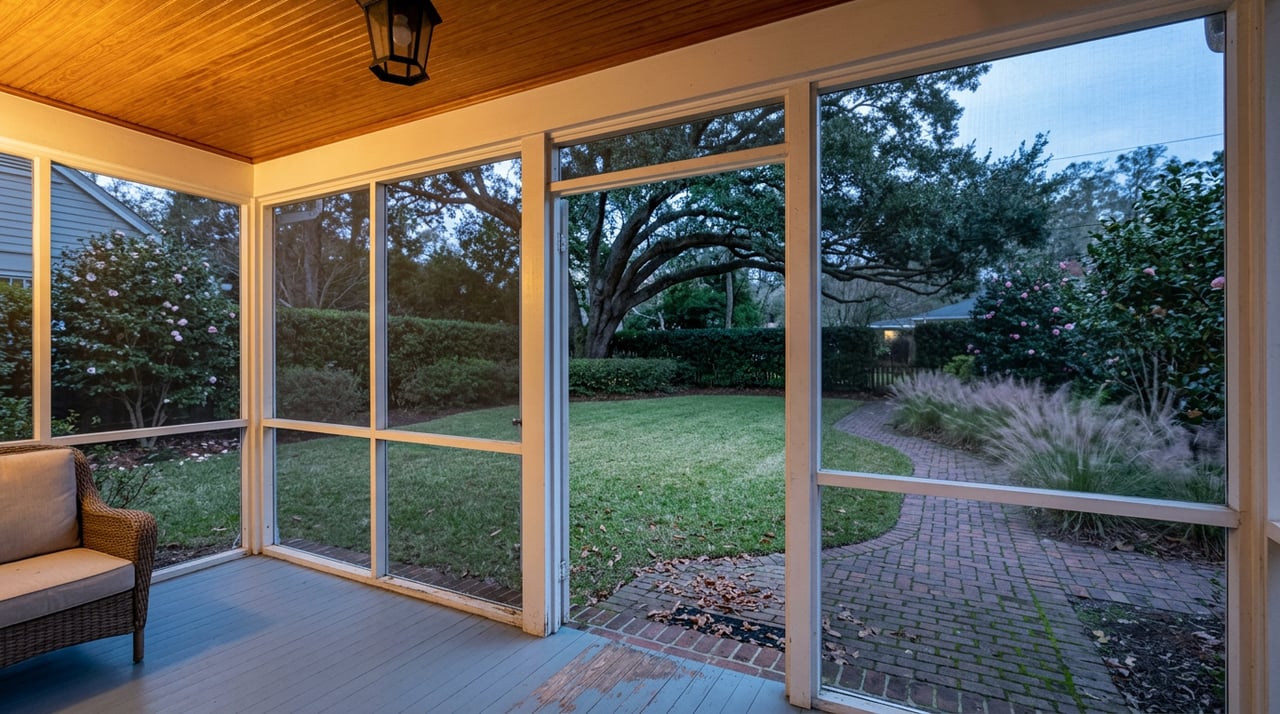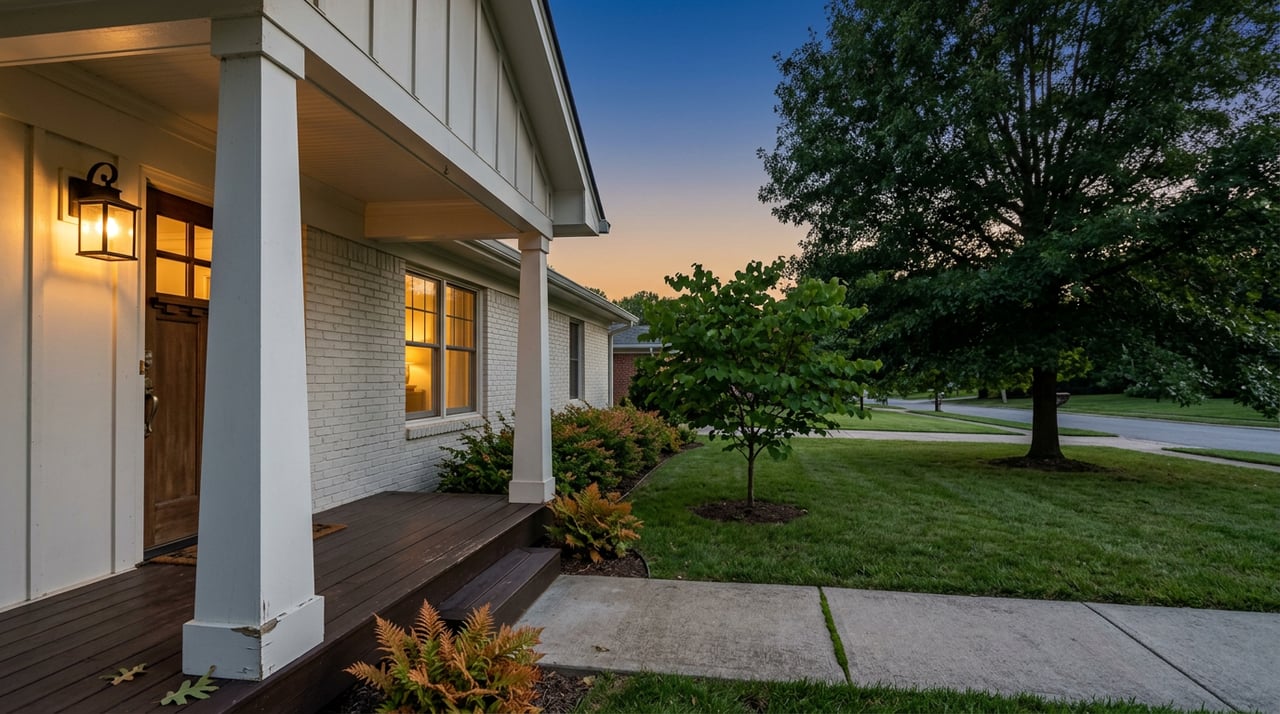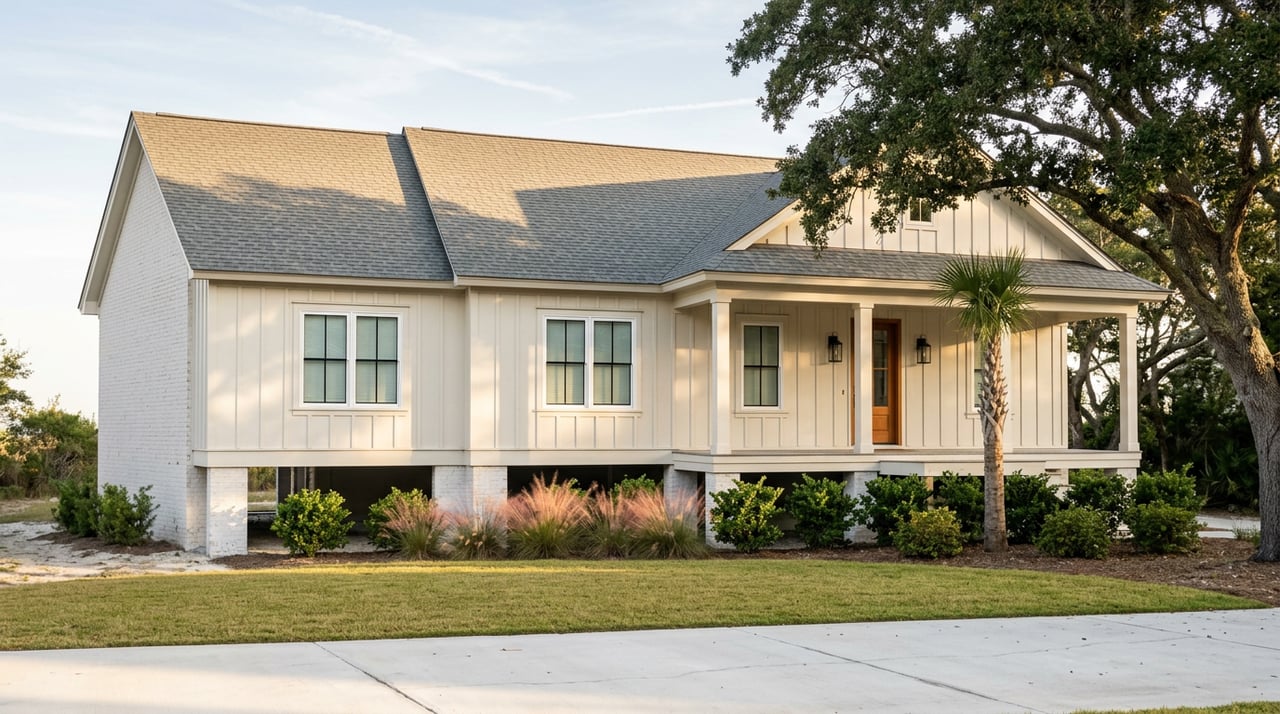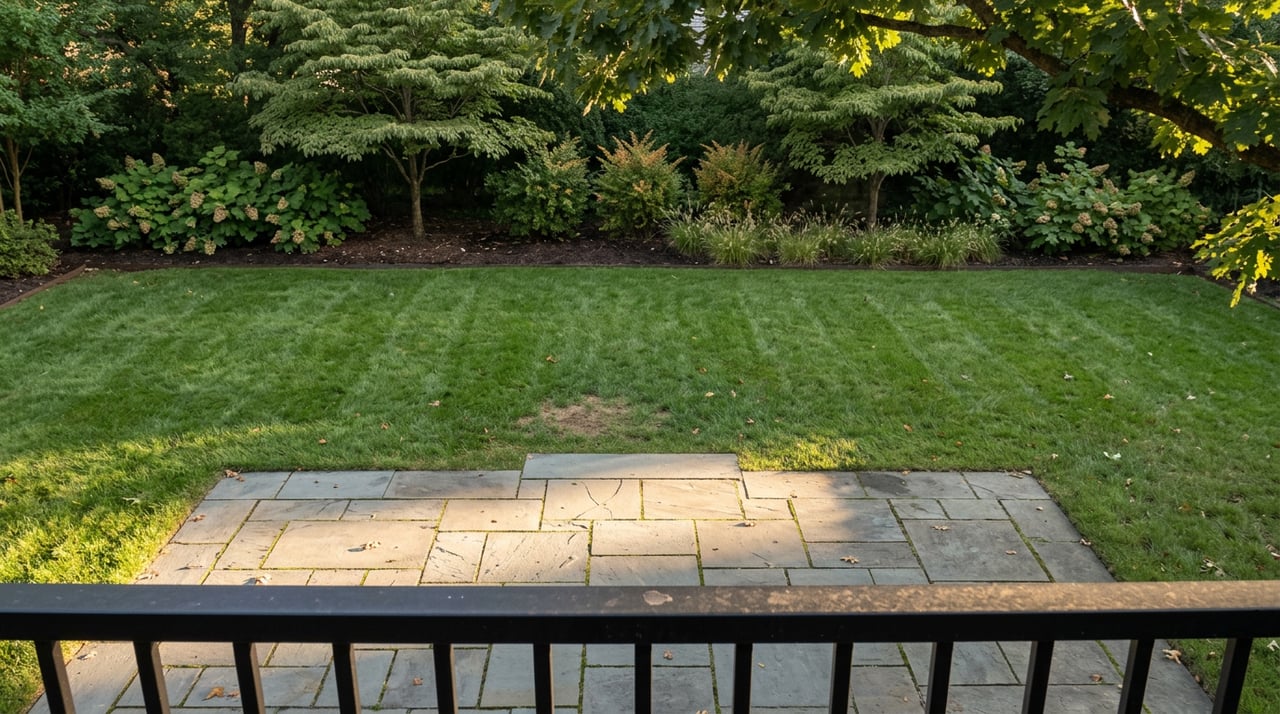
Wondering whether Wilmington’s historic areas or newer neighborhoods are the better fit for your next home? It is a smart question, because the answer shapes everything from your daily routine to how much freedom you have to update the property. If you are weighing charm, convenience, rules, parking, and proximity to amenities, this guide will help you compare your options with more confidence. Let’s dive in.
Wilmington offers two very different paths
In Wilmington, buyers often choose between older historic areas and newer planned neighborhoods. Both can offer strong lifestyle benefits, but they come with very different expectations.
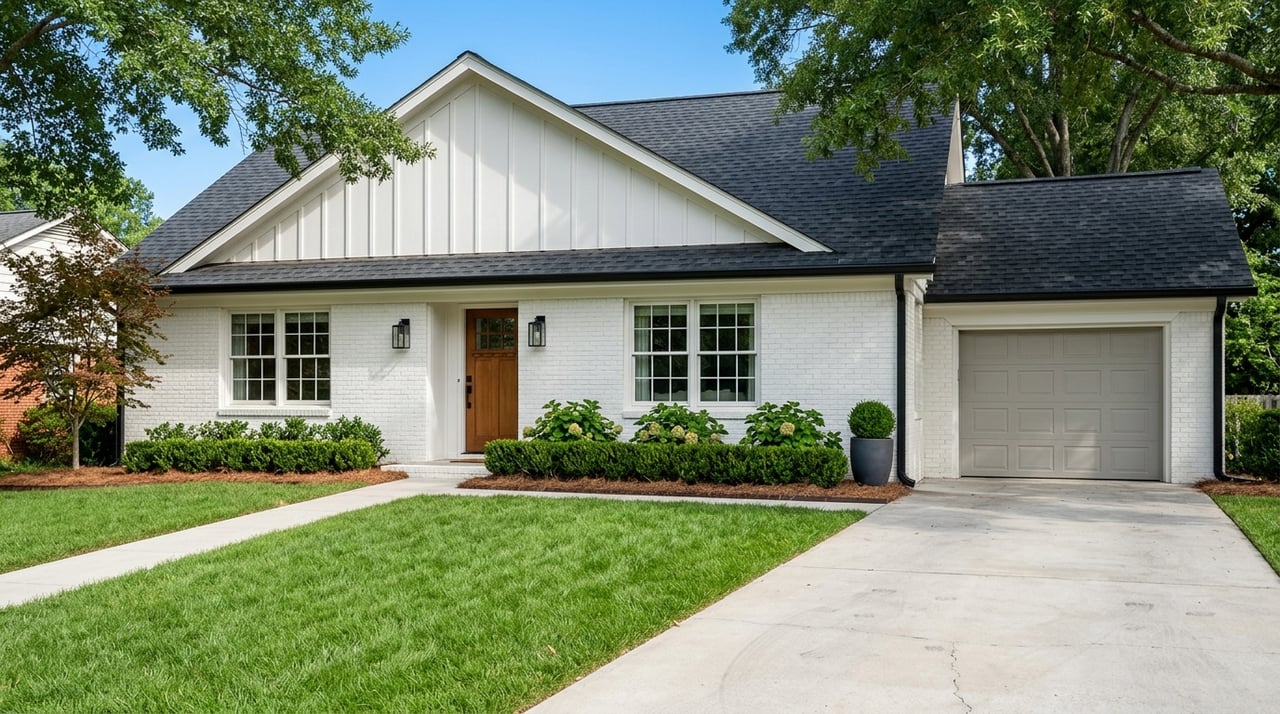
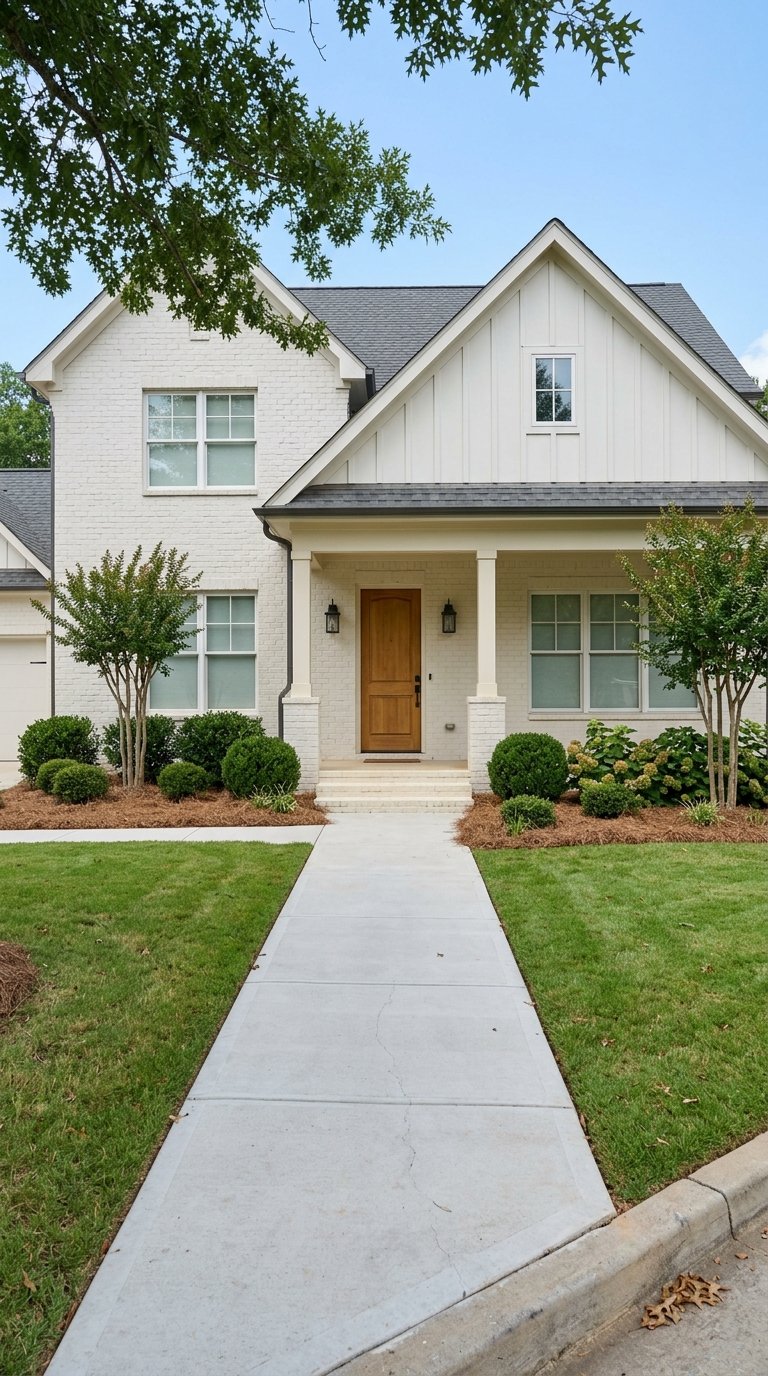
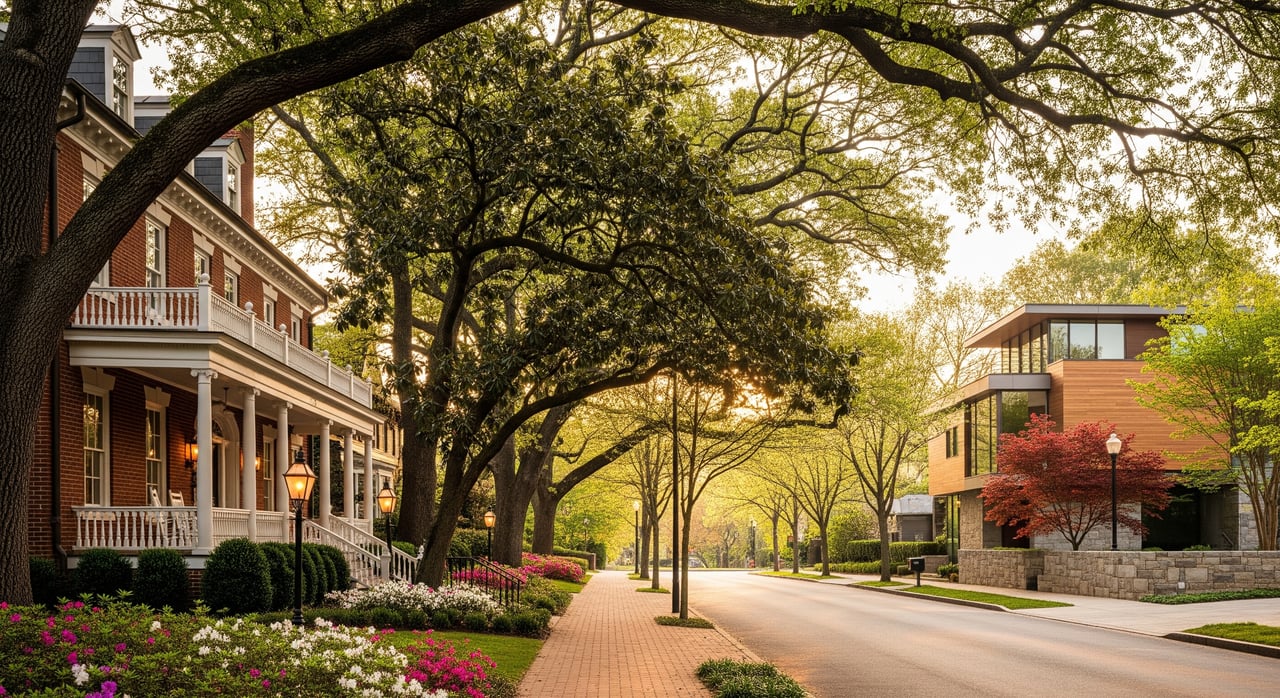
Older areas tend to offer established streetscapes, distinctive architecture, and closer access to downtown destinations. Newer neighborhoods often bring more standardized homes, planned amenities, and a more uniform set of community rules.
What defines a historic area in Wilmington
Wilmington has both local historic districts and National Register historic districts. That distinction matters if you are thinking about exterior changes after you buy.
According to the City of Wilmington, exterior changes require Historic Preservation Commission review only when a property is in a local historic district or overlay. A home in a National Register district does not automatically go through that review unless it is also inside a local district or overlay.
Local district rules matter most
Wilmington’s local historic districts and overlays include the Theater Historic District, Residential Historic District, Mixed-Use Historic District, Downtown Commercial Historic District Overlay, and Carolina Heights/Winoca Terrace Historic District Overlay. If you are considering an older home, it is important to verify the exact designation before making renovation plans.
That one detail can affect what you can do to the exterior and how long approvals may take. It is one of the first questions worth asking during your home search.
Historic homes reflect Wilmington’s long history
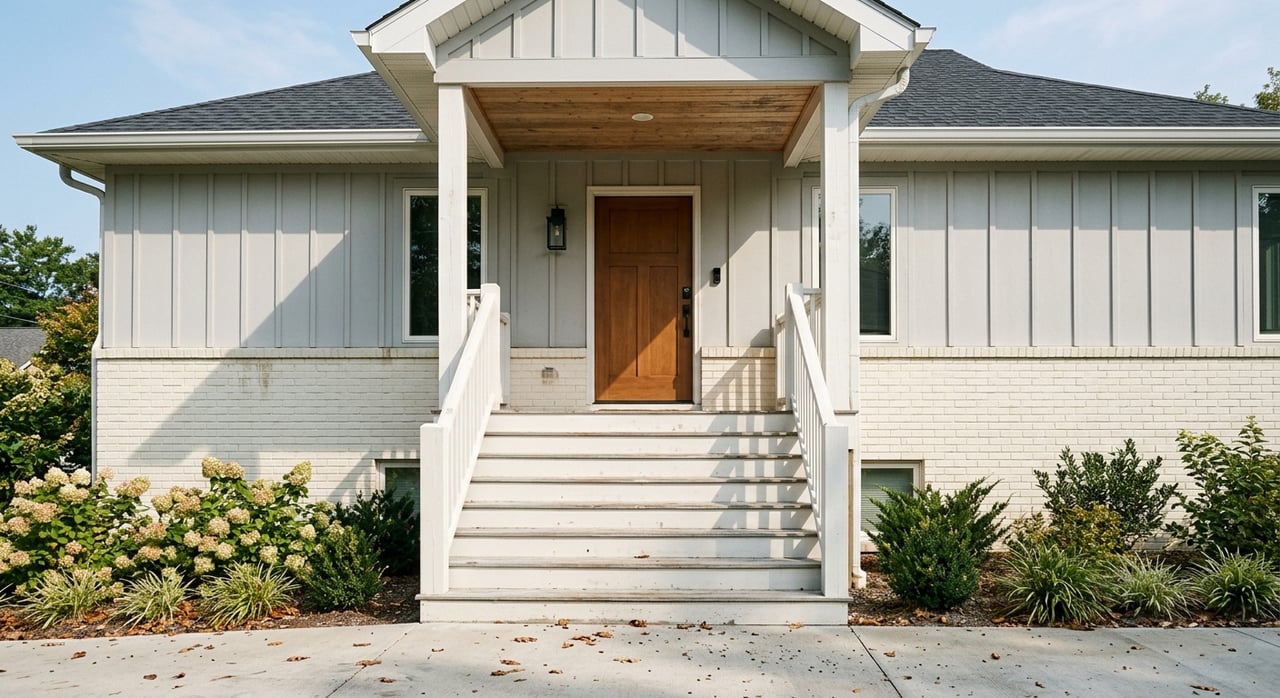
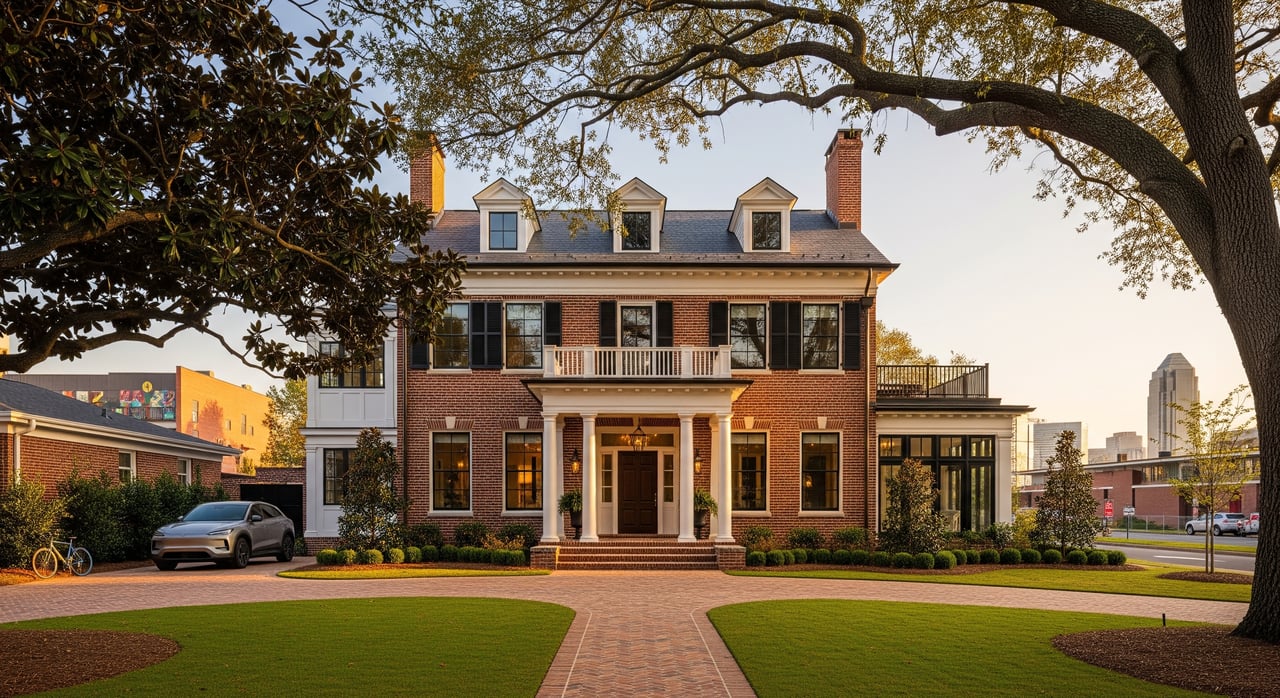
Wilmington’s older housing stock includes a wide range of architectural styles. City design standards reference Georgian, Greek Revival, Italianate, Second Empire, Folk Victorian, Queen Anne, Craftsman Bungalow, and Colonial Revival variants.
You also see neighborhood patterns tied to different stages of the city’s growth. For example, Carolina Heights/Winoca Terrace is described by the city as a streetcar suburb built around the turn of the twentieth century.
What you can expect in older neighborhoods
If you are drawn to historic areas, you are usually choosing character first. That can mean a more distinctive home and setting, but it can also mean more homework before you make changes.
Older neighborhoods in Wilmington often have narrow lots, smaller setbacks, and rear-yard parking patterns. The city’s design standards note that front setbacks may be minimal, driveways tend to be narrow, and parking is often placed behind buildings or accessed from the rear.
Parking and lot layout may feel different
If you are used to newer suburban layouts, historic areas may feel less standardized. You may see alleys, rear garages, carriage houses, or parking tucked behind homes instead of broad front-facing driveways.
That layout is part of the area’s character, but it can affect convenience for multiple vehicles or future site changes. It is wise to look closely at parking access before you commit.
Exterior updates may need approval
In Wilmington’s local historic districts and overlays, exterior alterations require a Certificate of Appropriateness. City standards address features such as roofs, walls, windows, foundations, porches, materials, colors, utilities, and energy retrofits.
For buyers who love restoring older homes, this can help preserve the look of the neighborhood. For buyers who want total design freedom, it may feel more limiting.
Repair may be more practical than replacement
The city notes that historic wood windows can be cost-effective to repair. It also encourages efficiency improvements such as storm windows and weather stripping.
That is helpful if you want to improve comfort and performance without losing original details. In many cases, the question is not whether a home can be improved, but how those improvements should be handled.
Why many buyers love historic Wilmington
Historic areas often place you close to the settings that make Wilmington feel unmistakably Wilmington. If walkability and access to downtown activity matter to you, older in-town areas can be especially appealing.
The Wilmington Riverwalk stretches 1.75 miles along the Cape Fear River through historic downtown. The city says it connects you to public parking, shopping, dining, museums, riverfront views, and public art.
Outdoor access adds to the appeal
Wilmington also offers more than 40 parks and 32 miles of trails. That includes the River to the Sea Bikeway to Wrightsville Beach and the Cross City Trail through many neighborhoods.
For some buyers, that mix of historic setting and outdoor access is the main draw. You can enjoy an older home style without giving up convenience to everyday recreation.
What newer Wilmington neighborhoods offer
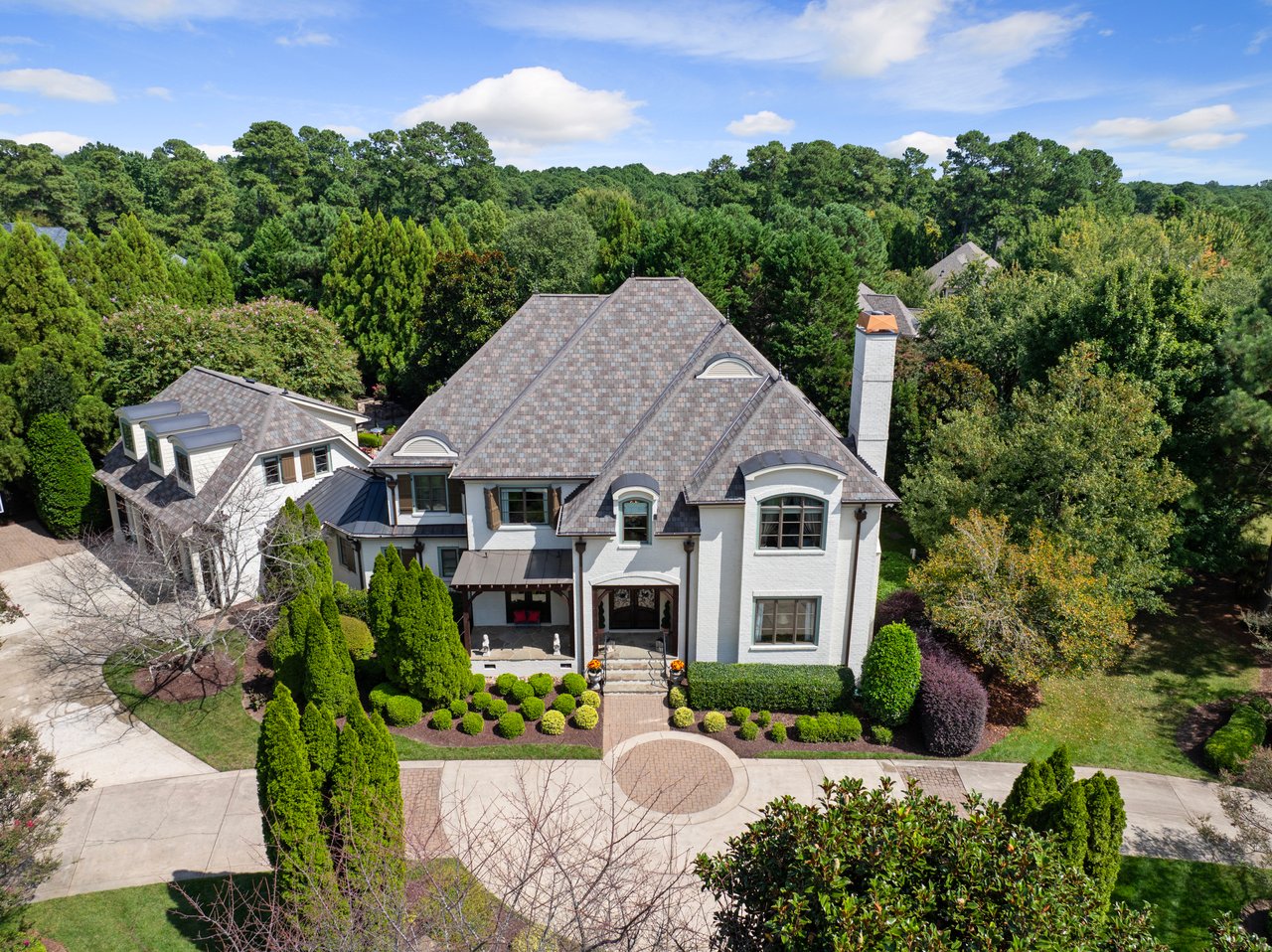
If your priority is predictability, amenities, and a more structured community design, newer neighborhoods may feel like the better match. These areas often trade some individuality for easier upkeep patterns and built-in lifestyle features.
A helpful Wilmington example is Riverlights, a master-planned community south of historic downtown. The development is described as a 1,400-acre river-oriented community planned for about 2,700 homes, including townhomes, single-family homes, and an age-qualified neighborhood.
Homes and lots are more standardized
In newer communities like Riverlights, homes and lots are generally more uniform than in older in-town neighborhoods. The community states that lots are sold with the home and only approved plans may be built.
Representative lot sizes include about 50 by 120 feet to 75 by 120 feet for front-load homes, and 30 by 120 feet or 45 by 120 feet for alley-load cottage homes. That kind of consistency can make it easier to compare options as you shop.
Amenities are part of the package
One major difference in newer neighborhoods is that amenities are often built into the community itself. Riverlights highlights a 38-acre lake, a Lakehouse, fitness center, yoga studio, pool, more than 10 miles of paths, a dog park, and Marina Village with shopping and dining.
The community also notes walkable retail, golf-cart access in parts of the development, and ongoing amenity expansion. For buyers who want recreation and convenience close to home, that can be a major benefit.
Rules are different from historic review
Newer communities usually come with HOA and design review rules rather than preservation standards. In Riverlights, fences are governed by HOA and DRC rules, and parking regulations are more controlled than in many older streets.
The community also states that HOA fees vary by home type, landscaping is not fully included on the traditional side, and parking limits apply to RVs, boats, and jet skis. These rules are different in purpose from historic district oversight, but they still affect your day-to-day ownership experience.
Historic areas vs newer neighborhoods
If you are deciding between the two, it helps to compare how each option supports your lifestyle.
| Feature | Historic Areas | Newer Neighborhoods |
|---|---|---|
| Home character | More architectural variety and original details | More uniform home styles and layouts |
| Exterior changes | May require local historic review | Usually guided by HOA or design review rules |
| Parking patterns | Often rear parking, alleys, or narrow driveways | More standardized parking layouts |
| Amenities | Often rely on surrounding downtown and city assets | Often include planned community amenities |
| Lot layout | Narrower lots and smaller setbacks are common | More predictable lot dimensions |
| Buyer fit | Good for buyers who value character and context | Good for buyers who want convenience and structure |
Questions to ask before you buy
No matter which direction you are leaning, a few questions can help you avoid surprises.
Ask these in historic areas
- Is the home in a local historic district, a National Register district, or both?
- Will exterior work require a Certificate of Appropriateness?
- How is parking arranged on the property?
- Which original features are worth preserving or repairing?
- Are there limits on adding or changing driveways?
Ask these in newer neighborhoods
- What plans and exterior changes are approved by the community?
- What are the HOA and design review rules?
- Which amenities are included, and are more still planned?
- What are the lot dimensions for this home type?
- Are there parking restrictions for extra vehicles, boats, or RVs?
Wilmington gives you access to both city and coast
One reason this decision is so appealing in Wilmington is that you do not have to choose between neighborhood style and coastal access. The broader market includes Carolina Beach, Kure Beach, Wrightsville Beach, and Figure Eight Island, all within the larger river-to-sea area.
Regional tourism information describes the beaches as just minutes away from Wilmington, with Wrightsville Beach about 8.5 miles from the city and Carolina Beach about 15 miles south. That gives you flexibility whether you prefer a historic in-town setting or a newer planned community.
Which option is right for you
If you want a home with architectural personality, established streets, and easy access to historic downtown, an older area may be the better fit. If you are comfortable with preservation-related review and a less standardized layout, the tradeoff can be well worth it.
If you prefer a more predictable floor plan, neighborhood amenities, and a structured rule set, a newer community may make more sense. The right choice depends on how you want to live, not just what looks best on paper.
As you compare Wilmington’s historic areas and newer neighborhoods, the best next step is to narrow your must-haves and walk through both types of communities in person. If you want expert guidance tailored to your goals in Wilmington and the surrounding coastal market, connect with Angela Drum for a personalized strategy.
FAQs
What is the difference between a local historic district and a National Register district in Wilmington?
- In Wilmington, exterior changes require Historic Preservation Commission review only if the property is in a local historic district or overlay. A National Register designation alone does not trigger that review unless the home is also in a local district or overlay.
What should buyers know about parking in Wilmington’s historic areas?
- Historic areas often have narrower driveways, rear-yard parking patterns, alleys, or rear garages instead of larger front-facing parking layouts.
What rules apply to exterior renovations in Wilmington historic districts?
- In local historic districts and overlays, exterior alterations require a Certificate of Appropriateness, and city standards cover items such as windows, roofs, porches, materials, colors, and utilities.
What amenities do newer Wilmington neighborhoods often include?
- Newer communities may include planned amenities such as trails, pools, fitness spaces, parks, lakes, and nearby retail or dining within the development.
What is one example of a newer planned neighborhood in Wilmington?
- Riverlights is a newer master-planned community south of historic downtown with a mix of home types, community amenities, and HOA and design review rules.
How close is Wilmington to area beaches?
- Regional tourism information says Wrightsville Beach is about 8.5 miles from Wilmington and Carolina Beach is about 15 miles south, making beach access convenient from both older and newer neighborhoods.