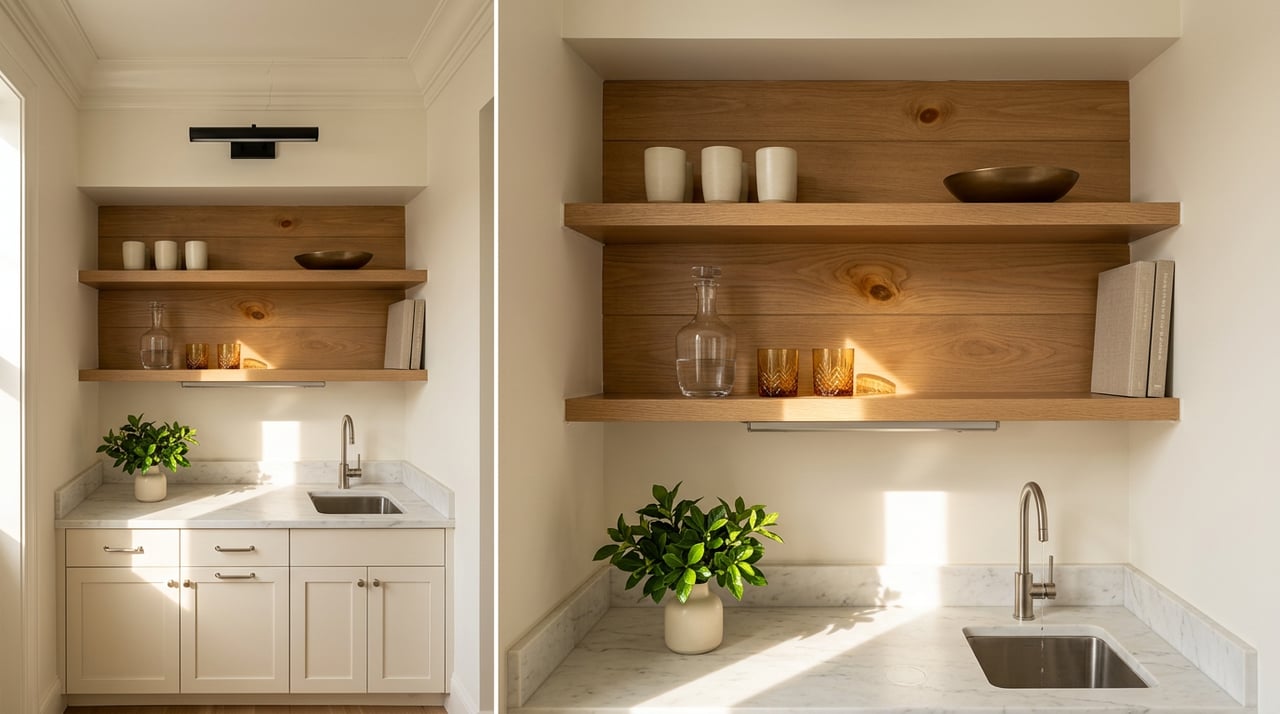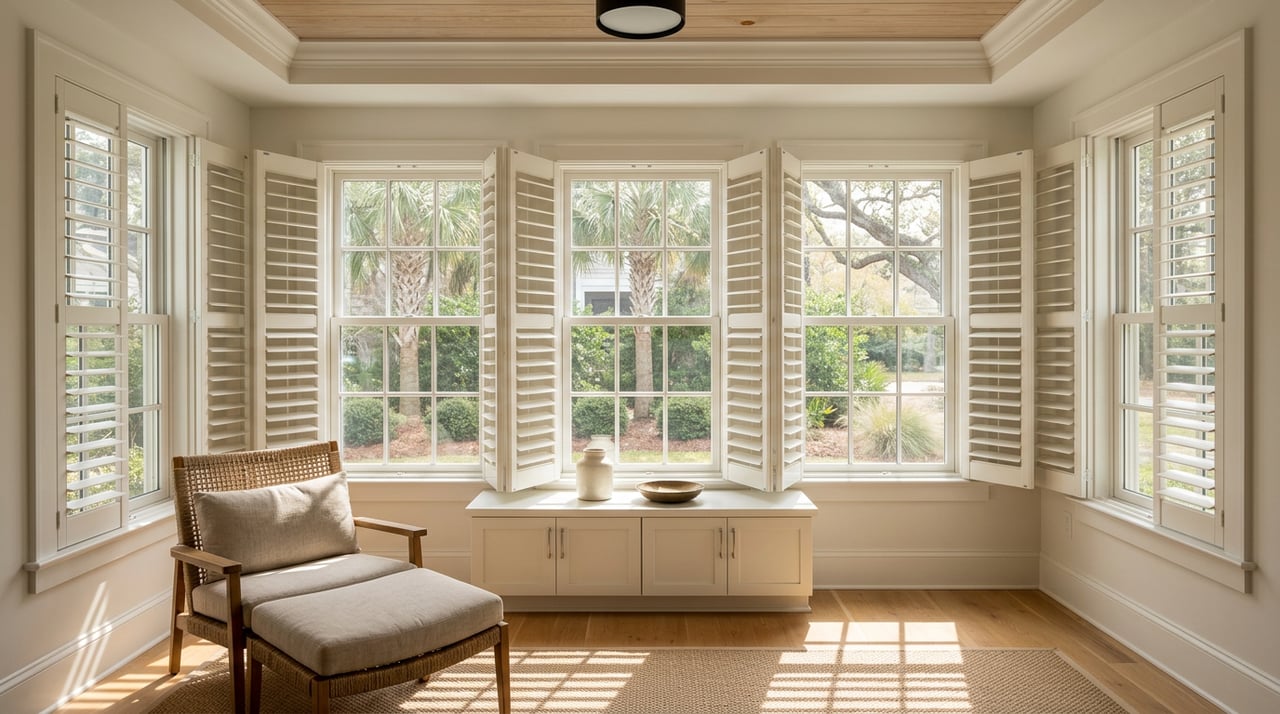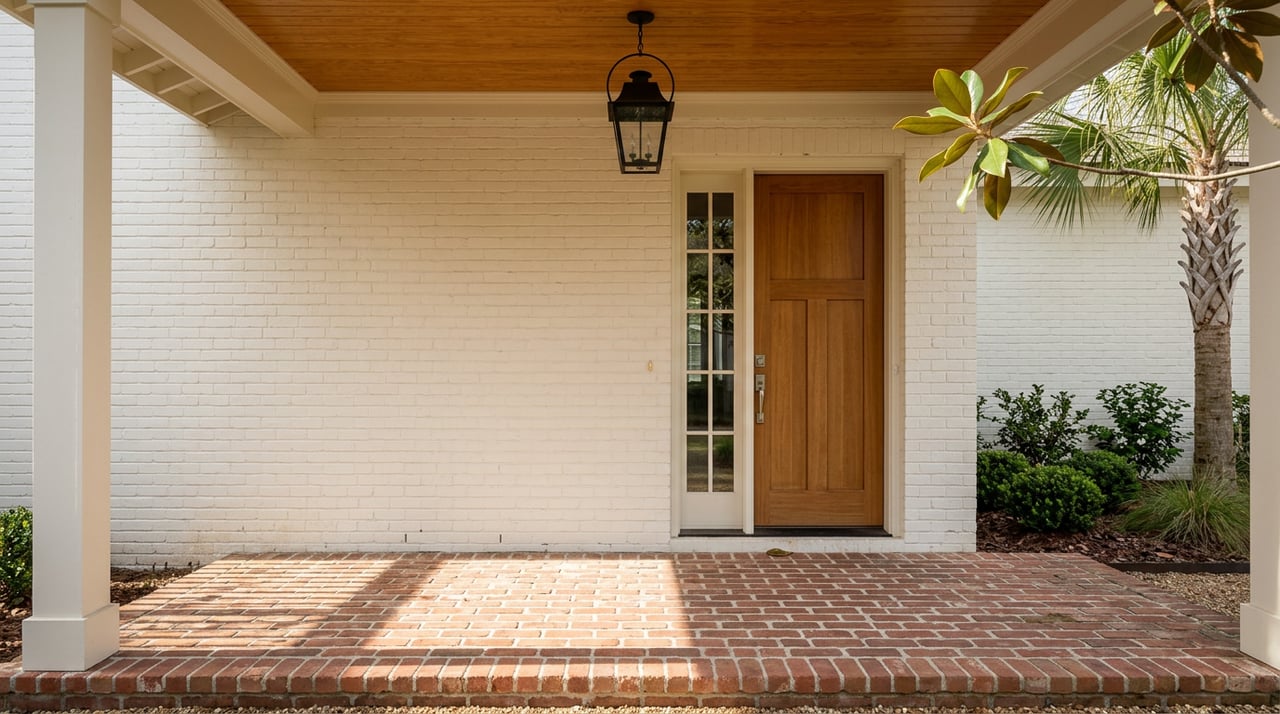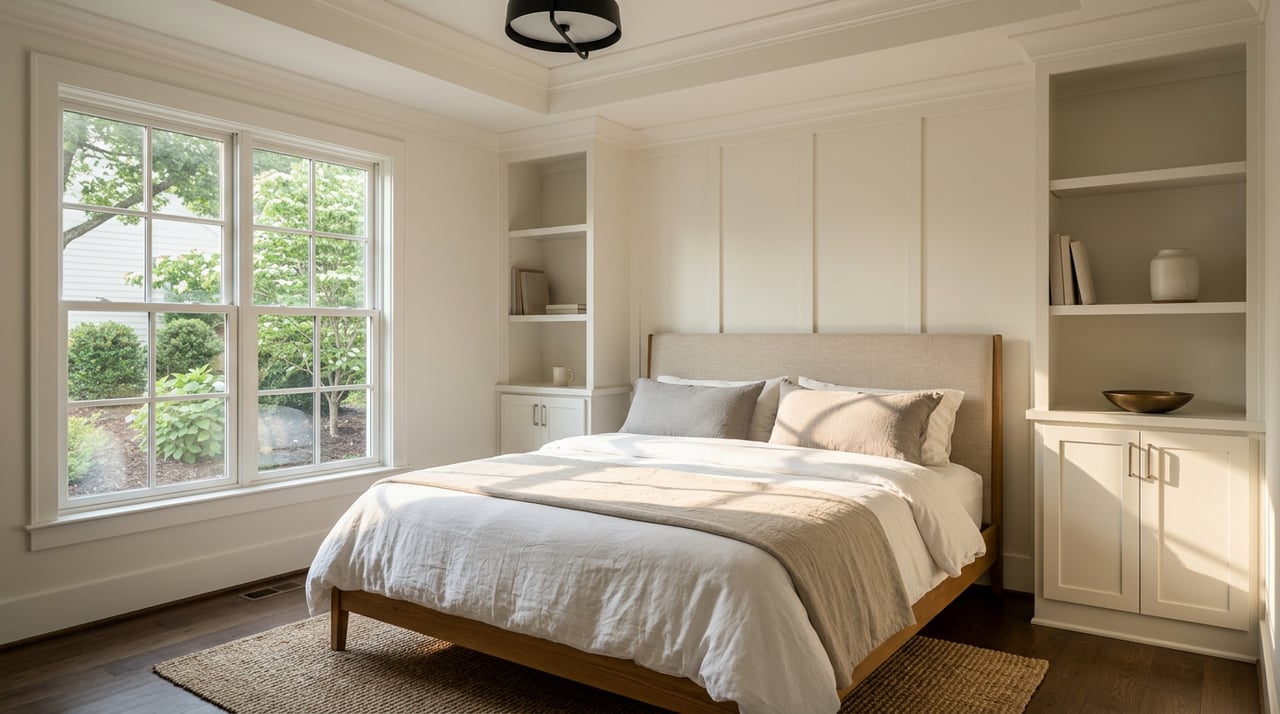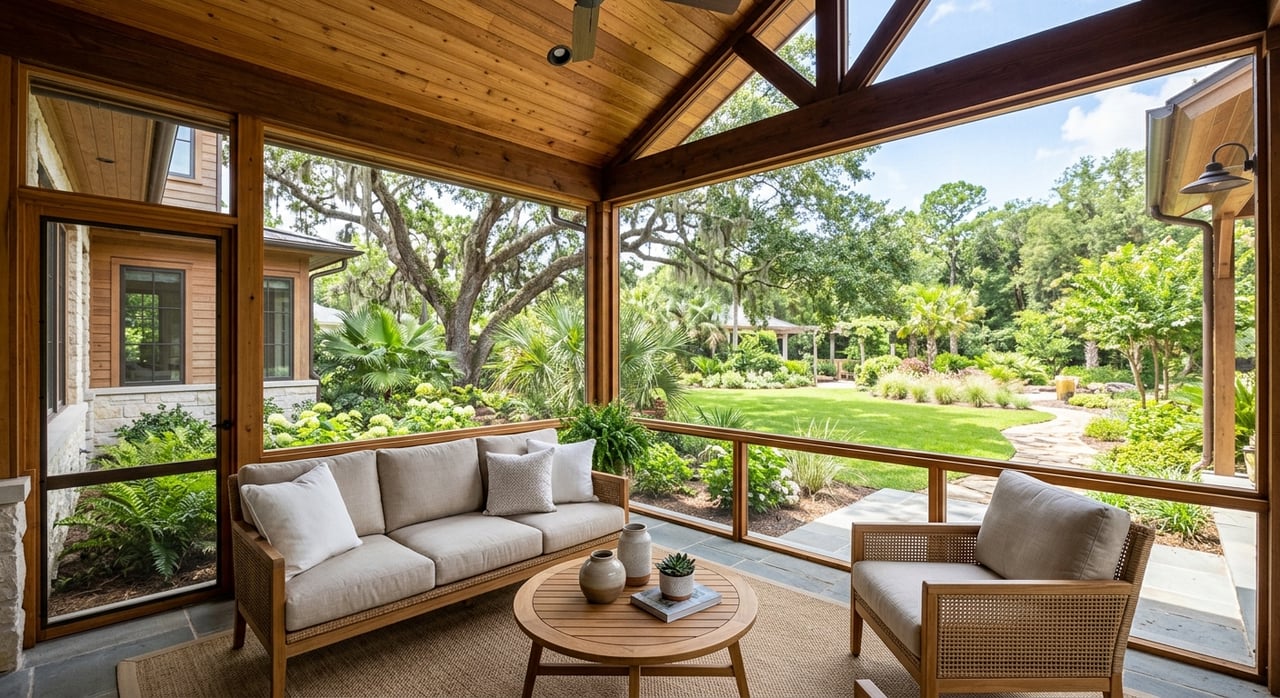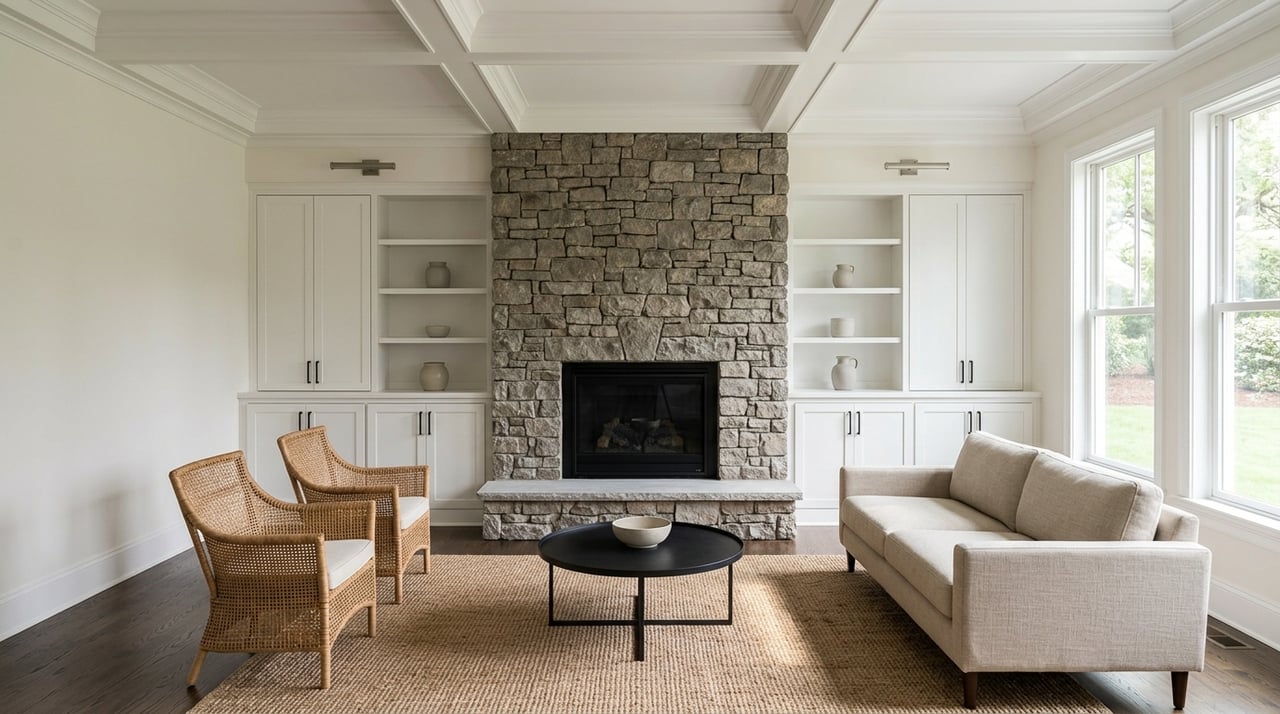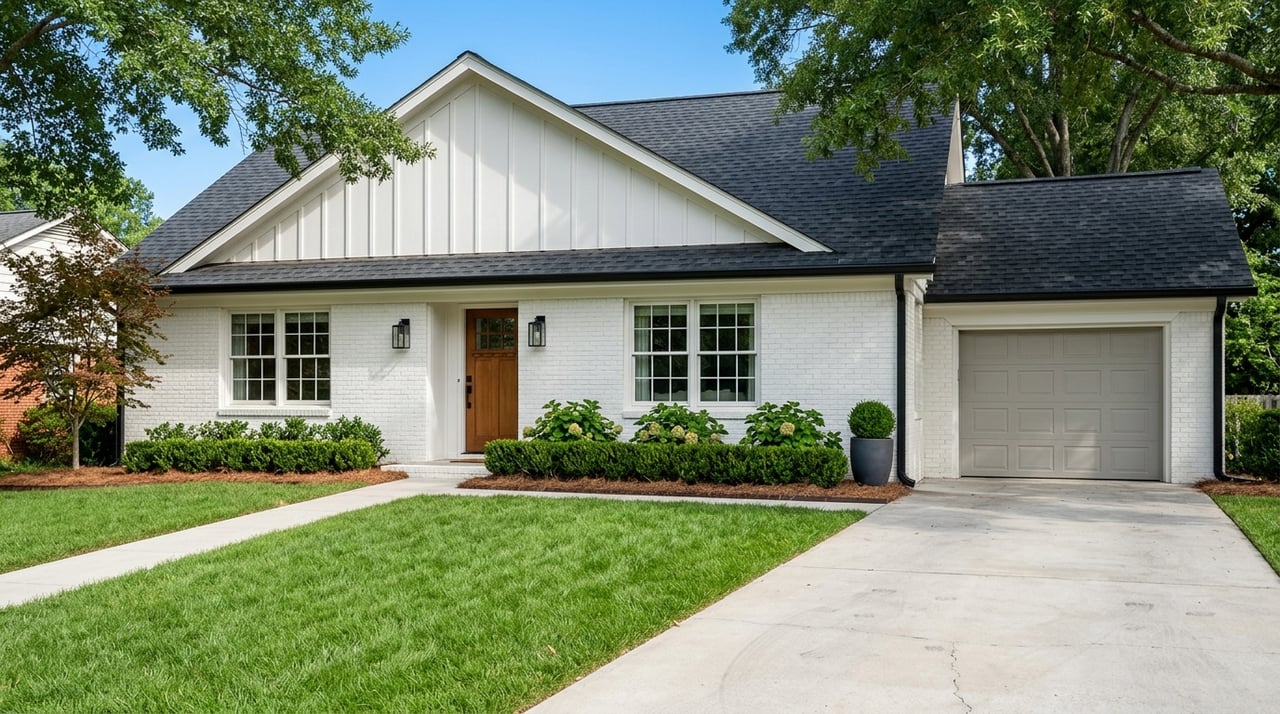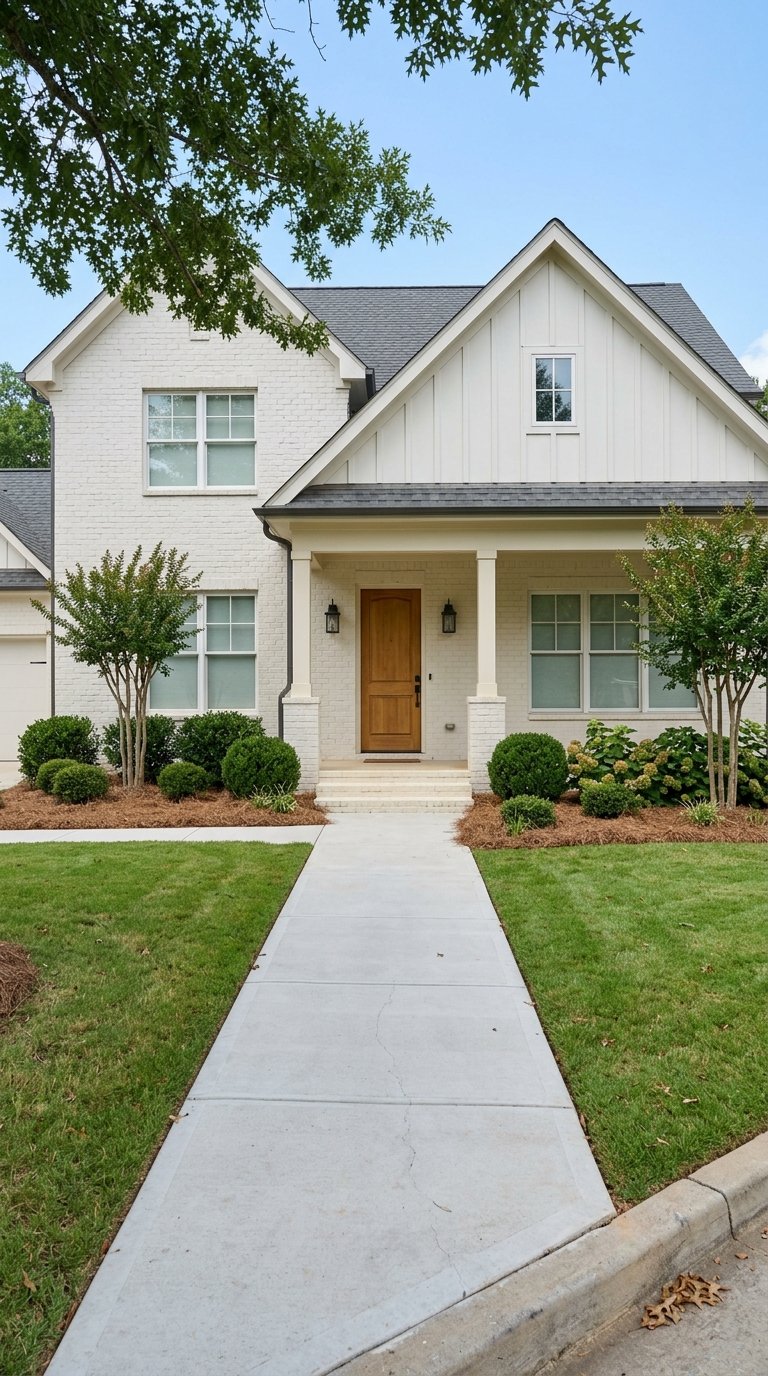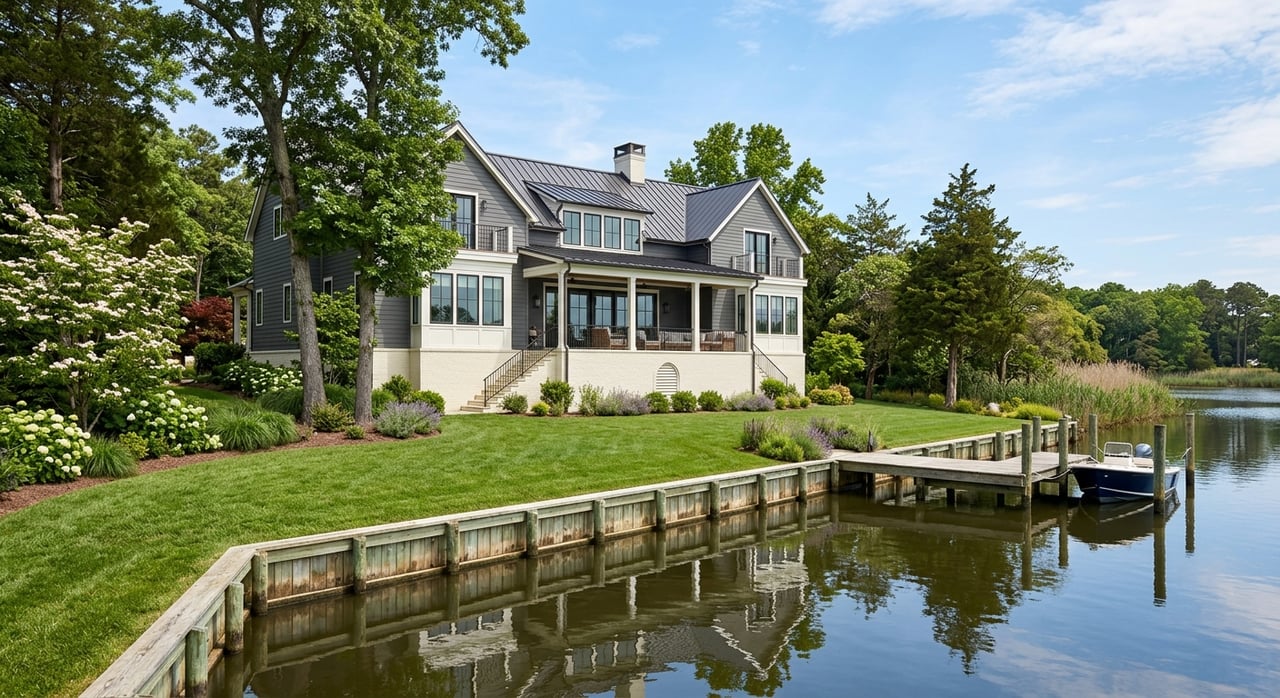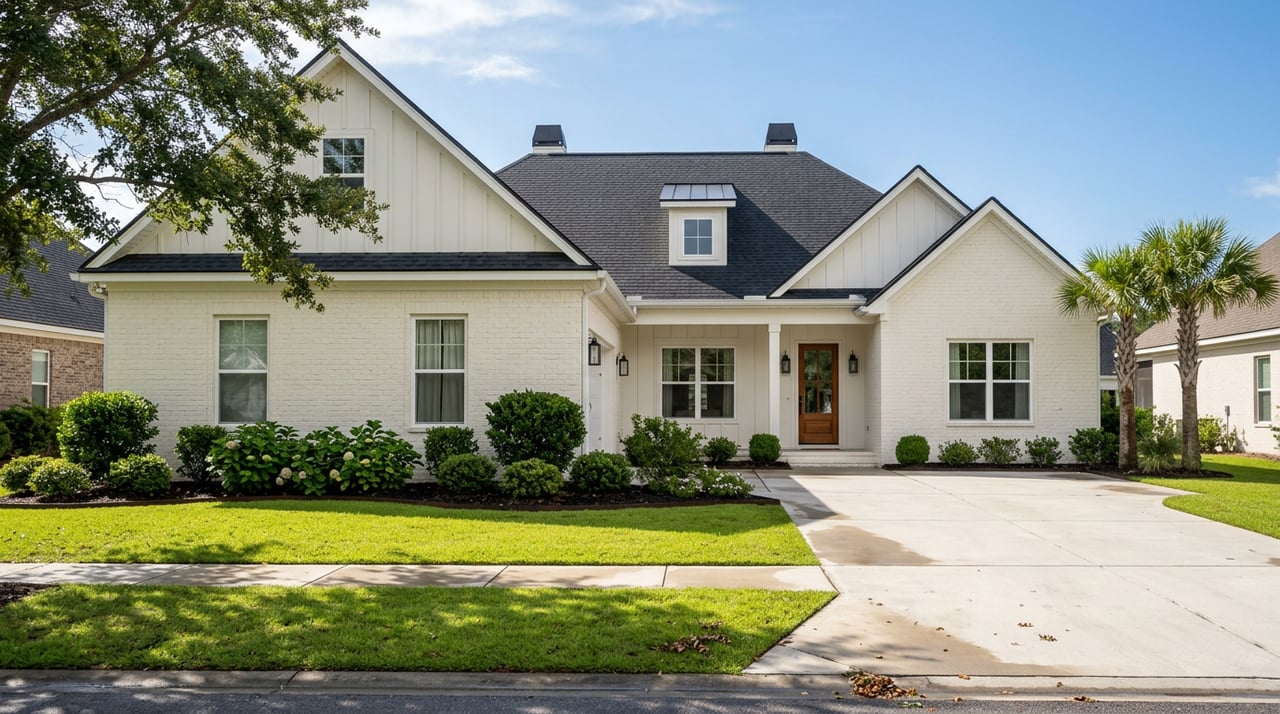
Wondering whether a condo or a single-family home makes more sense in Wrightsville Beach? It is a smart question, because on this barrier island, your choice affects more than just space and style. It can shape your maintenance routine, monthly costs, parking options, and how you prepare for flood exposure. If you are weighing both paths, this guide will help you compare the tradeoffs clearly so you can move forward with confidence. Let’s dive in.
Why the decision feels different here
Wrightsville Beach is not a typical housing market. The Town says the entire town is in a designated flood hazard area, also called a Special Flood Hazard Area. That means flood exposure is not a side issue for buyers. It is a core part of how you evaluate any property.
The Town also notes that flood insurance is separate from standard homeowners or renters coverage. New flood policies also have a 30-day waiting period. For you as a buyer, that means insurance, flood maps, elevation information, and mitigation planning should be part of the conversation early.
Local zoning also shapes what is available. The Town’s development rules are designed to manage building in flood-prone areas and regulate stormwater runoff. In practice, that can make island inventory, lot sizes, and redevelopment options feel more tightly controlled than buyers expect.
Condos and townhomes at a glance
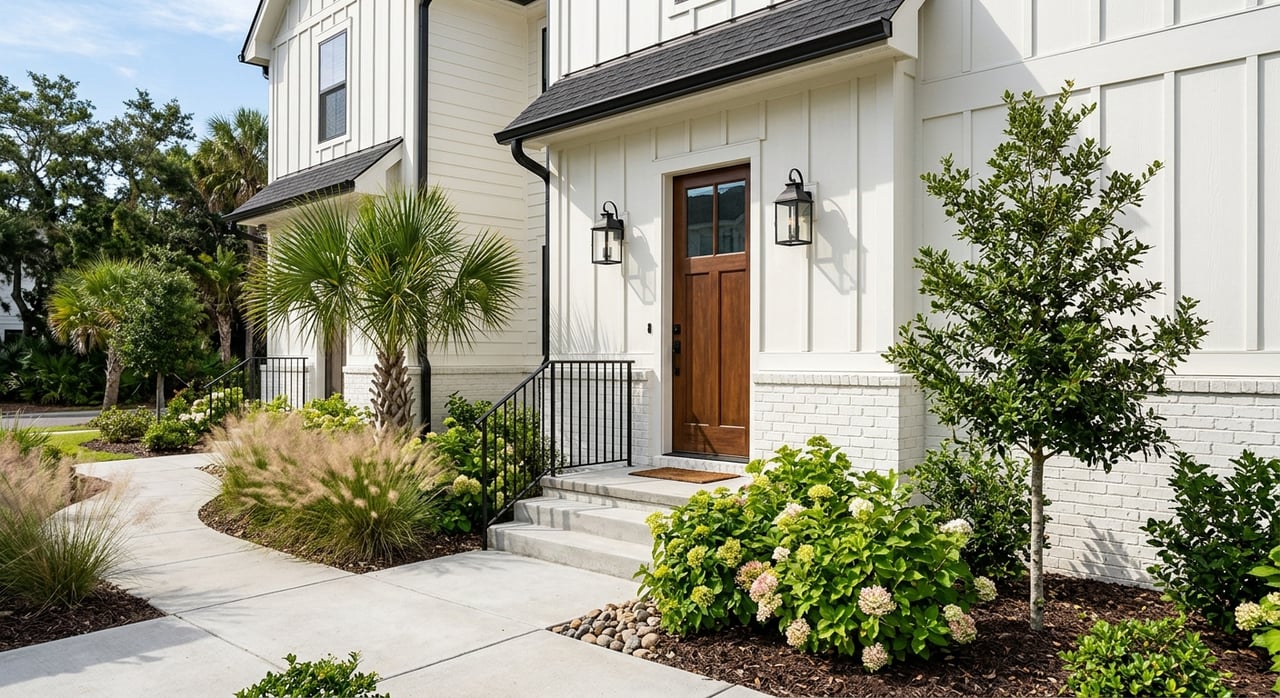
If you want a lower-maintenance beach property, condos and many townhome-style properties often stand out first. In North Carolina, a condominium usually means you own your individual unit and share an interest in the common elements. The association is generally responsible for maintaining, repairing, and replacing those common elements, and it recovers those costs through assessments.
That setup can be appealing if you want a lock-and-leave lifestyle. If you plan to use the property part-time, visit seasonally, or keep a beach base with less exterior upkeep, a condo may feel easier to manage. Shared maintenance can reduce your day-to-day responsibilities compared with a standalone home.
Still, lower maintenance does not mean fewer decisions. Condo ownership usually comes with monthly dues, reserve funding, association rules, and the possibility of special assessments. That is why the HOA documents matter so much in Wrightsville Beach.
What to review before buying a condo
Before you move ahead on a condo or townhome, review the association details closely. Buyers should understand what the association covers and where the owner remains responsible.
Key items to check include:
- Monthly dues
- Reserve funding
- Rules for rentals
- Pet restrictions
- Parking arrangements
- Common element maintenance responsibilities
- Potential for additional assessments
If you are comparing several properties, these details can be just as important as square footage or finishes. A well-run association can make ownership smoother. A restrictive or underfunded one can change the value equation quickly.
Single-family homes at a glance
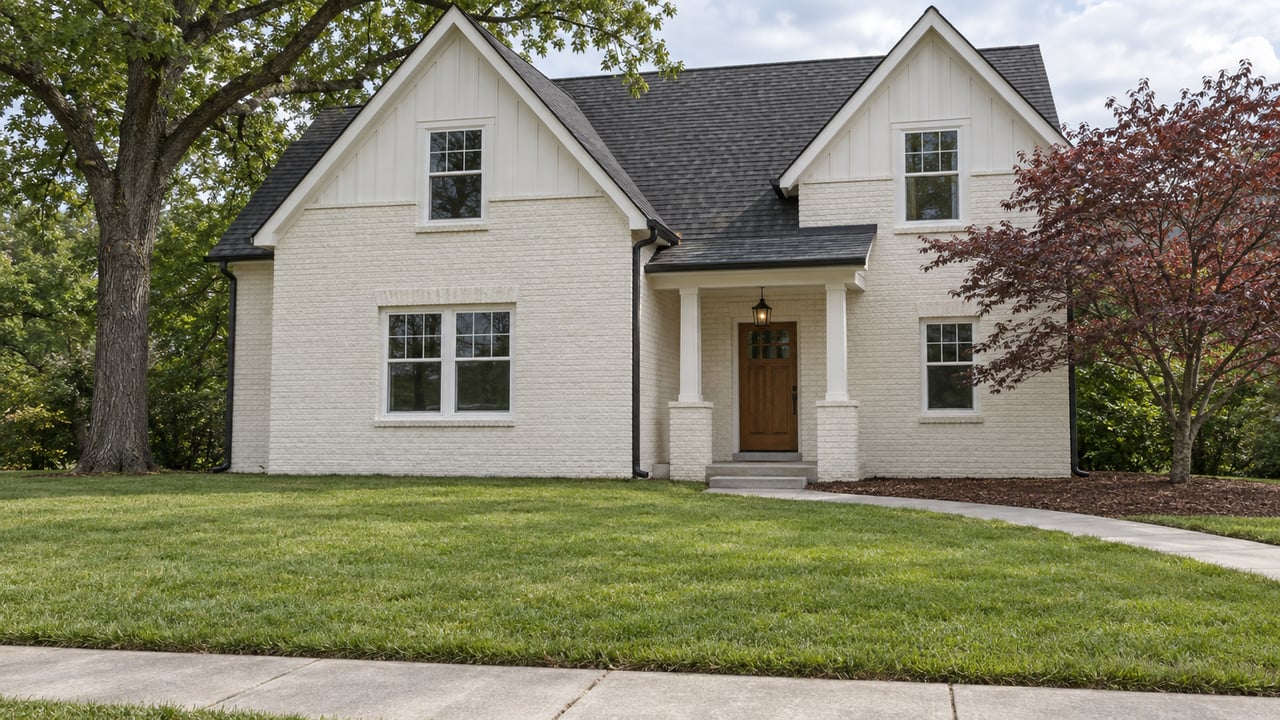
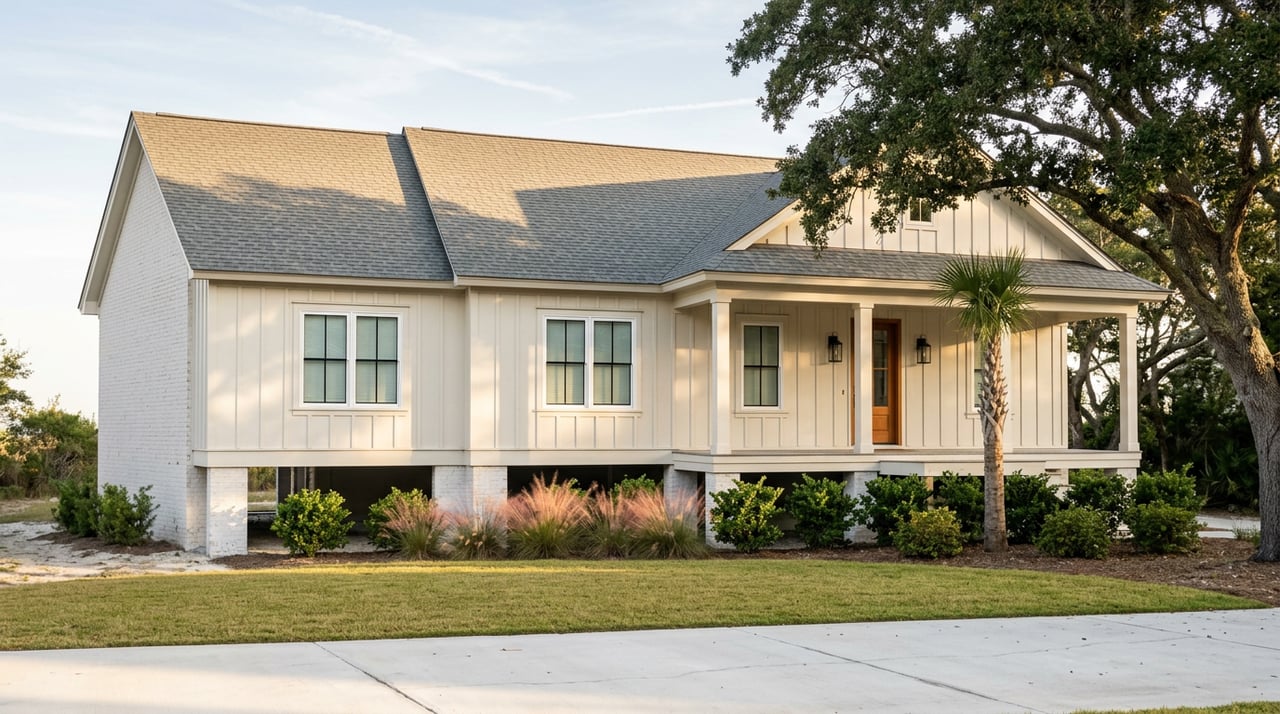
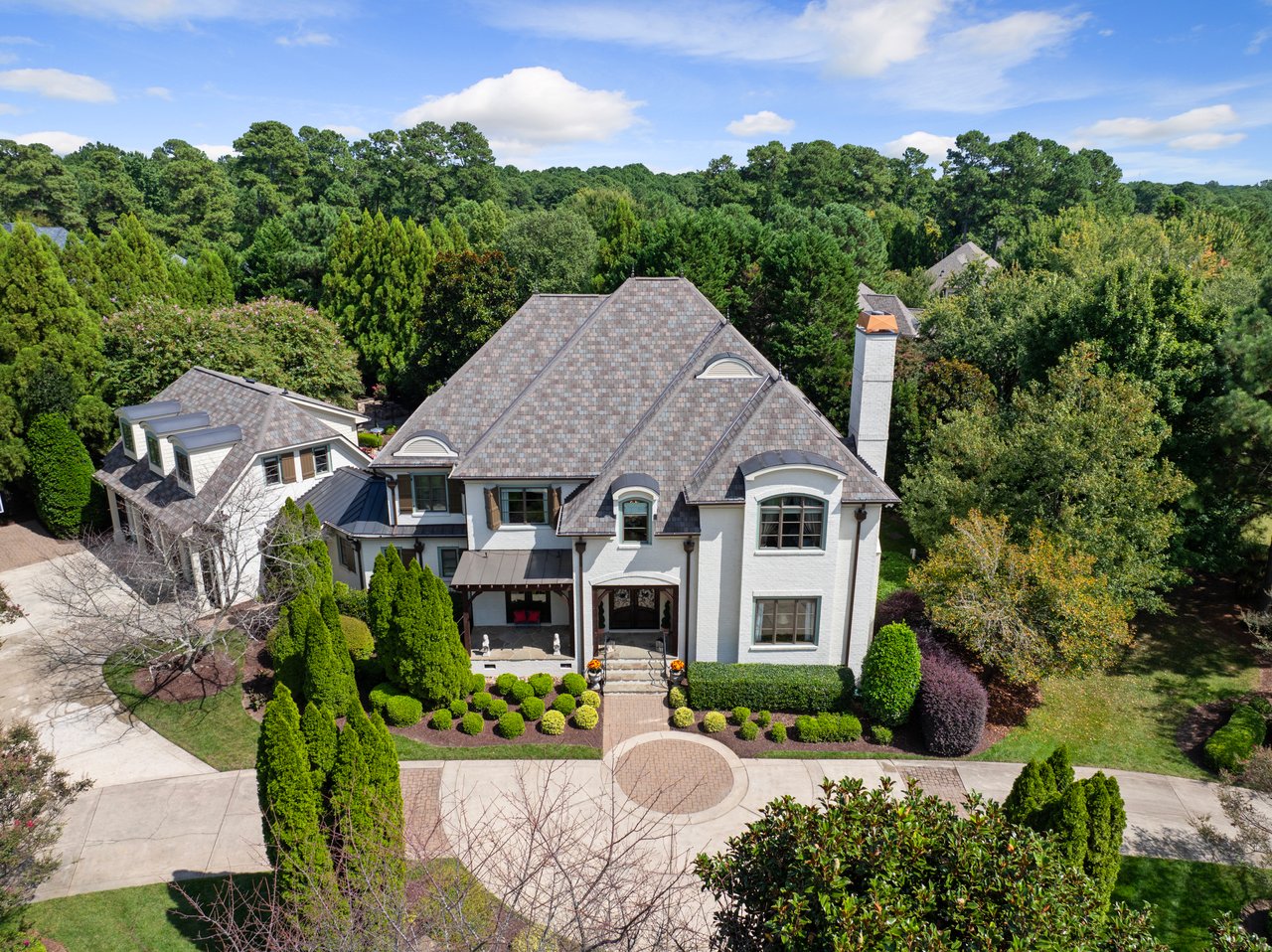
A single-family home usually gives you more privacy and more direct control over the property. You are less likely to deal with shared walls, and you may have more flexibility over exterior choices, subject to local rules and permits. For many buyers, that control is a major advantage.
In Wrightsville Beach, single-family homes often align with lower-density parts of the island. The Town’s R-1 district identifies single-family residences as the principal use, and local rules generally limit lots in R-1 and R-2 to one principal building and one use, with limited exceptions. That helps explain why standalone homes can feel especially limited and highly sought after.
The tradeoff is responsibility. With a single-family home, you are generally responsible for the lot and the improvements on it. That means upkeep, repairs, storm preparation, and long-term resilience planning fall more directly on you.
What to think about with a house
When you buy a house in Wrightsville Beach, look beyond the floor plan. On a barrier island, access, storm recovery, and property resilience all matter.
Important factors include:
- Exterior maintenance needs
- Storm hardening plans
- Flood map and elevation information
- Access to the property after storms
- Parking for your household and guests
- Future improvement needs that may require permits
The Town says its Inspections Office can help with flood map determinations, elevation certificates, and flood insurance questions. That can be useful before closing and before planning future work.
Parking can influence your choice
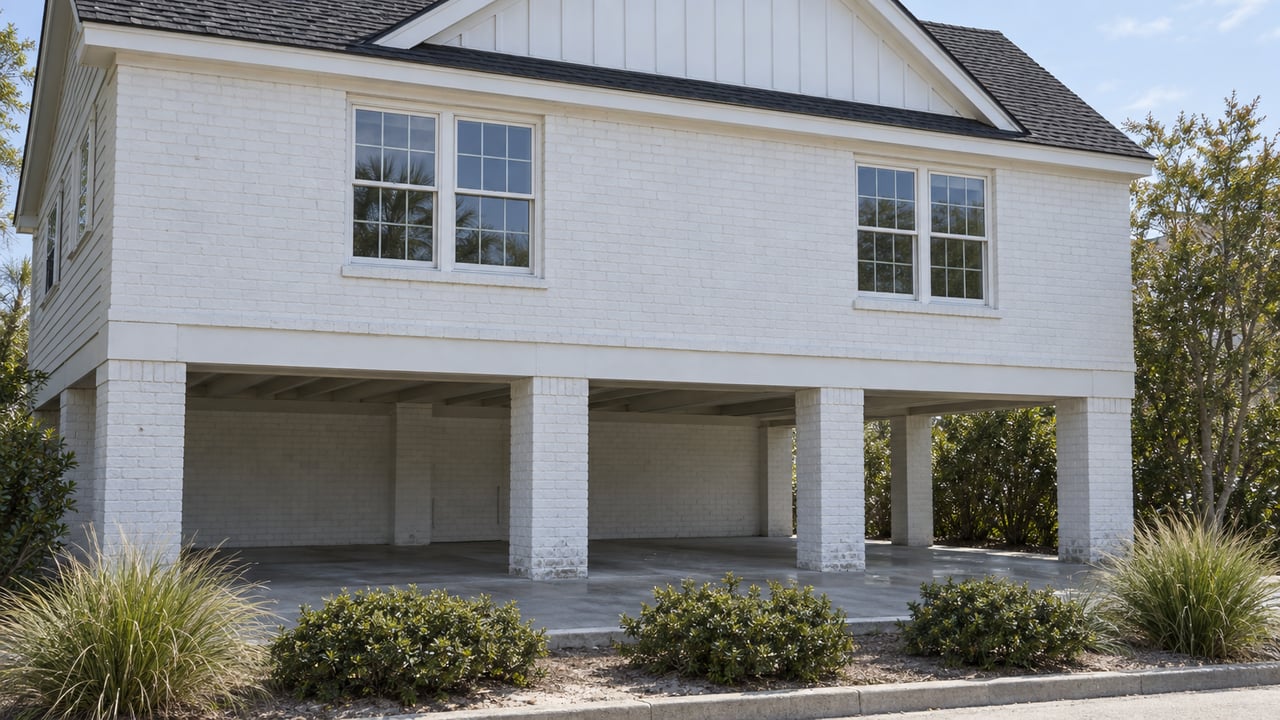
Parking is easy to overlook until it becomes a daily frustration. In Wrightsville Beach, it should be part of your decision early.
The Town says property owners can buy up to two residential parking permits for $50 each. It also states that Harbor Island non-metered streets are permit or decal only from March 1 to October 31, and public parking is paid during that same seasonal period. If you have multiple vehicles or expect frequent guests, that can affect how convenient a property feels.
For condo buyers, parking rules may also be shaped by the association. For house buyers, the question is often whether the property layout and location make guest access easier. Either way, parking deserves a close look before you tour seriously.
Comparing ongoing costs
Your monthly budget in Wrightsville Beach should include more than the mortgage payment. Carrying costs can differ meaningfully between condos and homes.
New Hanover County’s FY2025-2026 property tax rate is 30.6 cents per $100 of assessed value. Wrightsville Beach also handles trash and stormwater billing, and water and sewer customers now pay the same rates and fees as other CFPUA customers after the town’s transition. Buyers should verify current utility bills rather than rely on old estimates.
Flood insurance should be treated as a separate line item. The Town says every property is in the floodplain on the community’s Flood Insurance Rate Map, and standard homeowners or renters policies do not include flood coverage. That applies whether you buy a condo or a house.
Condo costs vs. home costs
Here is a simple way to think about the difference:
| Property Type | Costs You May Emphasize |
|---|---|
| Condo or Townhome | HOA dues, reserve funding, assessments, flood insurance, utilities, owner responsibilities not covered by the association |
| Single-Family Home | Flood insurance, exterior maintenance, repairs, storm hardening, utilities, permit-driven improvements |
A condo may reduce hands-on maintenance, but it adds association costs and governance. A house may offer more control, but you should budget more directly for upkeep and resilience.
If you plan to rent the property
If the property may be used as an investment or occasional vacation rental, do not assume every option works the same way. Association rules can make a major difference, especially for condos and townhomes.
Before buying, verify rental restrictions and any local life-safety requirements that apply to rental use. The Town’s minimum housing code requires smoke detectors in rental units, which is a good reminder that rental ownership involves more than income projections. Rules, compliance, and operations all matter.
If rental flexibility is a priority, make that part of your property search from the beginning. It is much easier to screen for the right fit than to discover limits after you are under contract.
A practical decision framework
If you are still deciding, it helps to focus on how you want to use the property. Your day-to-day goals usually point you toward the right choice.
A condo or townhome may be the better fit if you want:
- Lower day-to-day exterior maintenance
- Shared infrastructure
- A part-time or lock-and-leave lifestyle
- Fewer routine upkeep tasks
A single-family home may be the better fit if you want:
- More privacy
- More direct control over the property
- Fewer shared-wall concerns
- Greater flexibility around the home itself
- A setup that may feel easier for guests and parking needs
In Wrightsville Beach, these tradeoffs carry more weight because of flood exposure, seasonal parking, and association governance. That is why the smartest next step is often not more browsing. It is a careful review of HOA documents, flood zone information, insurance needs, and current carrying costs before you tour.
Whether you are looking for a low-maintenance beach base or a standalone coastal home, the right move starts with clear local guidance. If you want expert help comparing properties in Wrightsville Beach, connect with Angela Drum for a complimentary market strategy & home valuation.
FAQs
What is the biggest difference between condos and homes in Wrightsville Beach?
- The biggest difference is usually the balance between maintenance and control. Condos and many townhomes often reduce exterior upkeep through an association, while single-family homes typically give you more privacy and direct responsibility for the property.
Do all Wrightsville Beach properties have flood exposure?
- Yes. The Town says the entire community is in a designated flood hazard area, so flood insurance, map review, and mitigation planning are important for any purchase.
Are condo HOA documents important in Wrightsville Beach?
- Yes. Buyers should review dues, reserves, maintenance responsibilities, rental rules, pet policies, parking, and the possibility of additional assessments before buying.
Is parking an important factor when buying in Wrightsville Beach?
- Yes. Seasonal parking rules, residential permit limits, guest access, and association parking arrangements can all affect daily convenience.
Should you budget differently for a condo versus a house in Wrightsville Beach?
- Yes. Condo buyers should pay close attention to HOA dues, reserves, and assessments, while house buyers should budget more directly for exterior upkeep, repairs, storm hardening, and permit-related improvements.
Can rental plans affect which property type you should choose in Wrightsville Beach?
- Yes. If you plan to rent the property, verify association rental rules and local safety requirements early, since those can influence whether a condo, townhome, or single-family home fits your goals.