Are you torn between coastal Wilmington and Raleigh’s Triangle? It is a common question for North Carolina movers because these two areas can offer very different day-to-day experiences. If you are weighing commute patterns, housing feel, climate, and outdoor lifestyle, this guide will help you compare what life really looks like in each market. Let’s dive in.
Wilmington vs. the Triangle at a Glance
Wilmington is the smaller, more compact option. The city had an estimated 125,284 residents in 2024 across 51.4 square miles, while Raleigh had 499,825 residents across 145.9 square miles. That size difference shapes everything from traffic flow to how quickly you can get from home to work, errands, or outdoor recreation.
The Triangle also extends beyond Raleigh itself. Wake County had an estimated 1,232,444 residents in 2024, and Durham and Orange counties added another 324,833 and 148,696 residents. In practical terms, Wilmington often feels like a more centered coastal city, while the Triangle feels more like a multi-city metro with many hubs.
Daily Pace and Commute Feel
If your ideal routine includes shorter drives and a simpler daily rhythm, Wilmington may stand out right away. Mean travel time to work is 18.5 minutes in Wilmington city, compared with 23.0 minutes in Raleigh city and 25.1 minutes in Wake County. That gap may not sound huge on paper, but it can shape how busy your week feels.
In Wilmington, daily life often feels more compact. You are typically navigating a smaller city footprint, which can make work, errands, dining, and recreation feel more connected. For many buyers, that adds up to a more relaxed pace.
In the Triangle, your routine may depend more on routes, regional traffic patterns, and where you live in relation to work and services. The tradeoff is a broader metro with more neighborhoods and more housing options spread across a wider area.
Climate Differences You Will Notice
Climate can play a big role in where you feel most comfortable. Wilmington is generally milder overall, with an annual mean temperature of 64.4°F, while Raleigh’s annual mean is 61.2°F. Wilmington also has warmer average highs and lows across the year.
Wilmington sees about 60.15 inches of annual precipitation and only 0.9 inches of annual snowfall. Raleigh averages 46.07 inches of precipitation and 5.2 inches of annual snowfall. If you want far less snow and a coast-influenced climate with softer seasonal swings, Wilmington has the edge.
Raleigh is still warm and humid for much of the year, but winter is more noticeable there. You are more likely to feel colder stretches and occasional snow in the Triangle than you are in Wilmington.
Outdoor Lifestyle: Water vs. Greenways
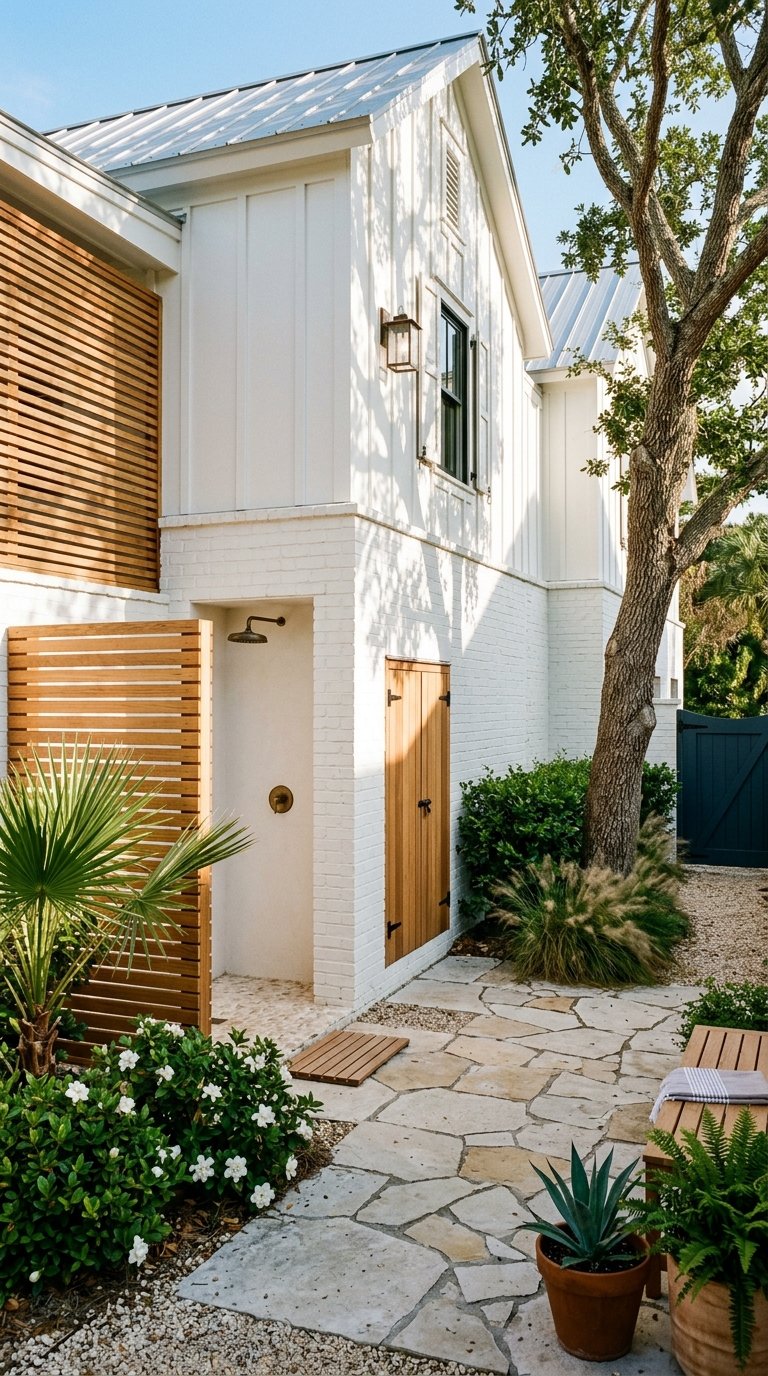
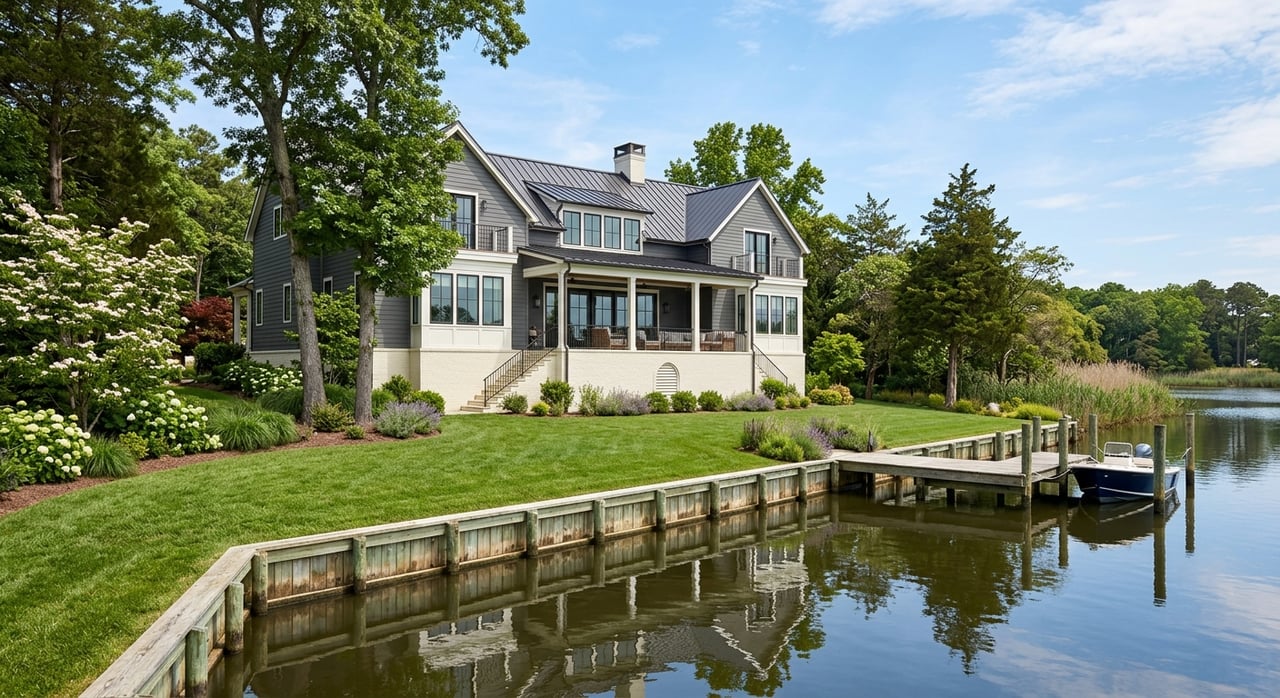
One of the clearest differences between these areas is how outdoor life tends to look. Wilmington’s identity is strongly tied to the water. The city’s Riverwalk stretches 1.75 miles along the Cape Fear River and connects to parks, dining, museums, and boat docking.
Wilmington also offers the 15-mile Gary Shell Cross City Trail and the River to Sea Bikeway to Wrightsville Beach. Nearby outdoor destinations add even more variety. Carolina Beach State Park is 12 miles south of Wilmington and offers boating, fishing, paddling, hiking, camping, and a marina, while Fort Fisher State Recreation Area is 18 miles south and is known for four-wheel-drive beach access and surf fishing.
The Triangle’s outdoor pattern is different. Raleigh’s Capital Area Greenway System offers a network of public trails and open space for walking, cycling, and mobility devices. Residents also have access to places like William B. Umstead State Park in Raleigh, Jordan Lake State Recreation Area about 30 miles west of downtown Raleigh, and Eno River State Park about 10 miles northwest of downtown Durham.
If you picture weekends around beaches, riverfront walks, boating, or coastal parks, Wilmington will likely feel more aligned. If you prefer trails, lakes, greenways, and inland park systems, the Triangle offers a strong fit.
Housing Patterns and Market Feel
Housing comparisons between Wilmington and the Triangle are not just about price. They are also about scale, inventory, and how each market is organized. Wilmington city has 67,186 housing units, while Raleigh has 234,750 housing units, which reflects a much larger inventory base in the Triangle.
Wilmington city has a 47.6% owner-occupied rate and a median owner-occupied home value of $383,800. New Hanover County posts a 61.4% owner-occupied rate with a median owner-occupied value of $387,800. That tells you Wilmington city itself has a more mixed housing profile than its surrounding county.
Raleigh city has a 50.7% owner-occupied rate and a median owner-occupied home value of $415,800. Across the broader Triangle, Wake County has a 64.1% owner-occupied rate with a median value of $461,300, Orange County has a 63.8% owner-occupied rate with a median value of $459,500, and Durham County has a 55.5% owner-occupied rate with a median value of $389,400.
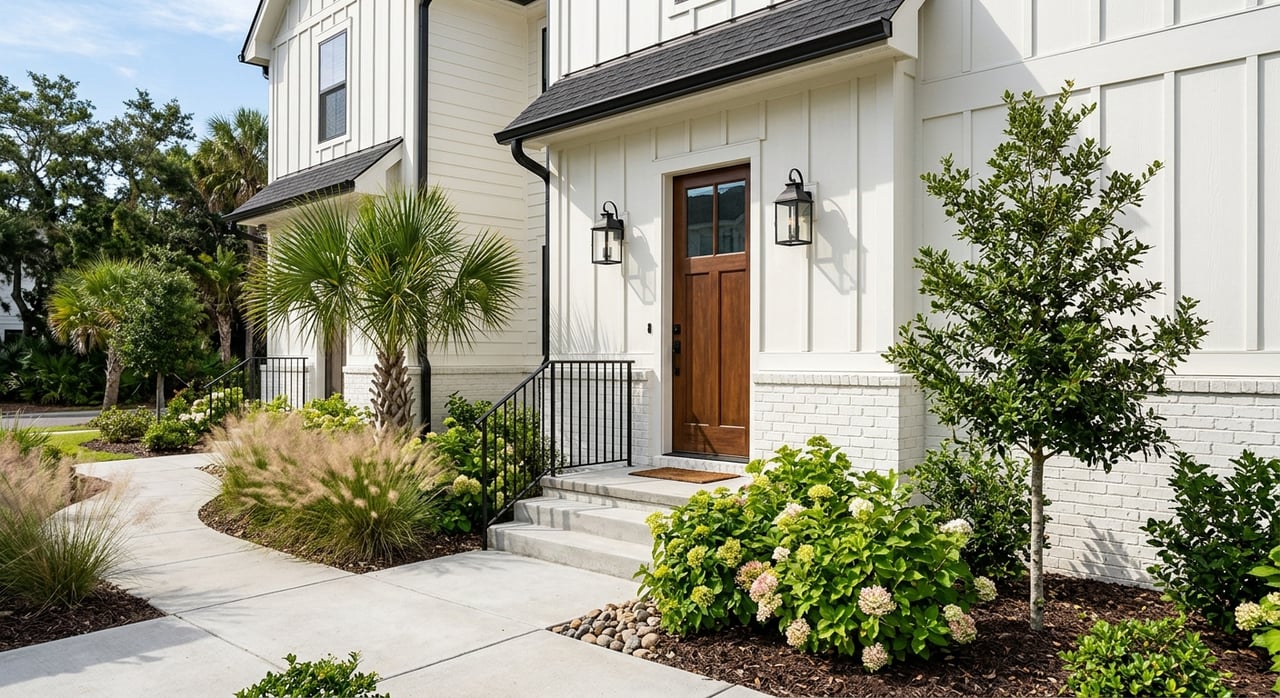
For buyers, this often translates into a simple distinction. Wilmington’s housing conversation is shaped by a smaller coastal city, water access, and a tighter city-scale housing base. The Triangle offers a wider radius of neighborhoods, a larger inventory base, and more choices that come with different commute tradeoffs.
Which Area Feels More Relaxed?
For many movers, Wilmington feels more relaxed. The smaller population, tighter footprint, and shorter average commute times all contribute to that impression. If your goal is to simplify your routine and stay closer to the water, Wilmington often checks those boxes.
That does not mean the Triangle is always hectic. Instead, it offers a different kind of lifestyle. You may have more places to choose from and more ways to tailor your location, but your day may also involve longer drives and a more spread-out regional pattern.
Which Area Offers More Choice?
If neighborhood variety is high on your list, the Triangle usually offers more options. Because it spans multiple counties and a much larger population base, it gives buyers a broader range of housing settings, commute patterns, and community types to explore.
Wilmington is more limited by size, but that can also be part of its appeal. Some buyers want a market that feels easier to understand and navigate. In that case, a smaller coastal city may feel less overwhelming than a large multi-county metro.
How to Decide Between Wilmington and the Triangle
If you are trying to narrow down your decision, focus on how you want everyday life to feel rather than comparing one place as universally better. The right answer usually comes down to your routine, priorities, and long-term goals.
Here are a few questions to ask yourself:
- Do you want a more compact city with shorter average commute times?
- Do you prefer beaches, riverfront areas, and coastal recreation?
- Would you rather have a milder winter with very little snow?
- Do you want a larger metro with more neighborhood choices?
- Are greenways, lakes, and inland parks a better fit for your lifestyle?
- Are you comfortable with a more route-based daily routine in exchange for broader housing options?
For many relocators, the answer becomes clear once they match the market to their preferred pace of life. Wilmington tends to appeal to buyers who want a coastal setting and a more centered daily rhythm. The Triangle tends to appeal to buyers who want broader housing choice across a larger metro footprint.
If you are comparing Wilmington with Raleigh, Cary, Durham, Apex, Chapel Hill, or other Triangle locations, having local guidance can make the process much easier. A knowledgeable team can help you weigh commute patterns, housing options, and lifestyle fit so you can move with confidence.
When you are ready for tailored guidance, Angela Drum can help you compare Wilmington and the Triangle with a local, strategic approach.
FAQs
How does daily life in Wilmington compare with daily life in Raleigh’s Triangle?
- Wilmington usually feels more compact and relaxed, while the Triangle feels more spread out and metro-oriented because it spans several counties and a much larger population base.
What are commute times like in Wilmington compared with Raleigh?
- Mean travel time to work is 18.5 minutes in Wilmington city, compared with 23.0 minutes in Raleigh city and 25.1 minutes in Wake County.
How does Wilmington weather compare with Raleigh weather?
- Wilmington is generally milder, wetter, and far less snowy, with 0.9 inches of annual snowfall compared with Raleigh’s 5.2 inches.
What outdoor activities are common in Wilmington?
- Wilmington’s outdoor lifestyle is strongly tied to the water, including the Riverwalk, the Cross City Trail, the River to Sea Bikeway, and nearby coastal parks with boating, fishing, paddling, hiking, and beach access.
What outdoor activities are common in Raleigh’s Triangle?
- The Triangle is known for greenways, lakes, and inland parks, including Raleigh’s Capital Area Greenway System, Umstead State Park, Jordan Lake, and Eno River State Park.
Is housing more varied in Wilmington or the Triangle?
- The Triangle generally offers more neighborhood and housing variety because it covers a much larger metro area with a broader inventory base.
Is Wilmington or Raleigh better for relocation in North Carolina?
- The better fit depends on your priorities. Wilmington may suit you if you want a coastal, compact lifestyle, while the Triangle may suit you if you want more neighborhood options across a larger regional market.